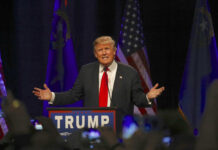

Trump is walking into Beijing openly vowing to talk arms sales to Taiwan with Xi Jinping, forcing America to choose between standing by a democratic ally or bowing to communist pressure.
Story Snapshot
- Trump says he will directly raise United States arms sales to Taiwan with Xi at their Beijing summit, putting the issue squarely on the table.
- China is loudly warning Washington to stop arming Taiwan, calling it interference in an “internal” matter.
- U.S. officials signal there is no change in Taiwan policy, even as trade and Iran are intertwined with security talks.
- Taiwan is boosting its own defense spending, counting on continued American weapons to deter Beijing.
Trump Puts Taiwan Arms Sales Front And Center In Beijing
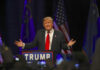
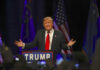
President Donald Trump arrived in Beijing this week with an unusually blunt promise: he will talk directly with Chinese leader Xi Jinping about United States arms sales to Taiwan, an issue Beijing desperately wants off the agenda.[1] Trump told reporters that Xi “would like us not to” sell weapons to Taiwan and said, “I’ll have that discussion,” while also stating that the United States should keep arming the island democracy.[1] That public framing ensures Taiwan cannot be quietly traded away.
Television coverage of Trump’s arrival captured the red-carpet welcome, but also underscored the stakes of the two‑day summit: the war with Iran, trade frictions between the world’s largest economies, artificial intelligence competition, and the future of Taiwan’s defenses. Commentators noted that Trump is seeking concrete wins, including Chinese purchases of more American food and aircraft, while Xi wants relief on tariffs and a slowdown in United States support for Taipei. Those overlapping goals create temptation for bargaining that conservatives will want to watch closely.
Beijing Turns Up Pressure, But U.S. Policy Line Holds
Chinese officials spent days before the summit blasting Washington’s military ties with Taiwan and demanding an end to American weapons sales. A spokesperson for China’s Taiwan Affairs Office repeated that Beijing “firmly opposes” United States arms sales and insists Taiwan is an internal Chinese issue, accusing Washington of interfering in its sovereignty. Trump himself has acknowledged that Xi objects to the sales, but there is no evidence that the administration has agreed to change the legal or policy framework that has long governed support for Taiwan’s self‑defense.[1][2]
Reports citing a senior United States official say there is no change in Taiwan policy despite China’s military pressure and diplomatic complaints.[2] That matters because United States law and decades of precedent support providing Taiwan with defensive capabilities even while Washington officially recognizes Beijing. At the same time, the available material shows only intent to discuss future sales at the summit, not a signed package or a formal halt.[1] The lack of a detailed public readout means Americans must rely on Trump’s statements and media summaries rather than hard documents.
Taiwan Arms, Trade, And Iran Collide At One Summit Table
News outlets covering the Beijing visit describe a crowded agenda where Taiwan arms sales sit alongside trade, rare earths, artificial intelligence, and the conflict with Iran. Trump has emphasized that trade will dominate his talks with Xi and that he wants China to buy more American goods, including agricultural products and aircraft, to support workers back home. Analysts warn that when such diverse issues are bundled together, foreign governments may try to turn security commitments into bargaining chips for economic concessions.
Conservative readers understand the danger in that dynamic: America’s duty to help a free people defend themselves should not be auctioned off for short‑term tariff relief or market access. The historical record shows that Taiwan arms sales often spark loud protests from Beijing but eventually proceed after some delay. The current summit fits that pattern so far, with China objecting, Trump talking publicly about the issue, and no concrete evidence yet that Washington has traded away future arms packages or reversed long‑standing commitments.
Taiwan Prepares To Fight While America Debates
Coverage from outlets focused on Asia reports that Taiwan’s government has already approved a large special defense budget that includes funds aimed at purchasing United States weapons systems.[2] That move signals that Taipei is not relying on speeches but is planning, politically and financially, to strengthen its own defenses against growing Chinese military pressure.[2] Live‑fire drills near the Taiwan Strait, conducted as Trump landed in Beijing, further highlight the island’s determination to show readiness rather than resignation.
For Americans who value strong borders, national sovereignty, and standing by democratic allies, the core question is whether Washington will stay the course when authoritarian powers push back. Trump has stressed Taiwan’s strategic location, noting its closeness to China compared with America’s distance, framing the issue as a hard‑headed security calculation rather than a sentimental gesture.[1] Until official summit documents or congressional notifications emerge, the clearest evidence remains Trump’s own pledge that the United States “should” keep selling arms to Taiwan and that Xi will hear that directly.[1]
Sources:
[1] YouTube – Trump Says He’ll Talk About Selling Arms to Taiwan at Xi Summit
[2] Web – Ahead of Trump-Xi summit, China warns on US arms sales to Taiwan