

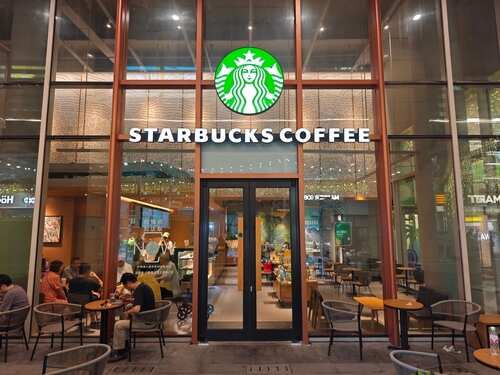
Starbucks’ $1 billion restructuring plan threatens jobs and store access, stirring concern among conservatives about economic stability and corporate accountability.
Story Snapshot
- Starbucks to close dozens of North American stores, impacting local communities.
- 900 non-retail jobs to be cut as part of a $1 billion restructuring effort.
- CEO Brian Niccol spearheads the effort to address six quarters of declining sales.
- Focus on renovating over 1,000 stores to improve customer experience.
Starbucks’ Restructuring Plan: A Comprehensive Overhaul
In response to persistent sales declines, Starbucks has announced a massive $1 billion restructuring plan. This plan includes closing about 1% of its North American stores, which translates to dozens of locations, and cutting approximately 900 non-retail jobs. The coffee giant has been struggling with six consecutive quarters of declining same-store sales, most recently experiencing a 2% global decline in Q3 2025. CEO Brian Niccol, who took over in August 2024, aims to rebuild the company’s core foundation to drive future growth.
The restructuring is the largest since the pandemic, marking the first significant move under Niccol’s leadership. The initiative also focuses on renovating over 1,000 stores to enhance the customer experience. Despite the transparency in their strategic focus, Starbucks has not disclosed specific store locations slated for closure, although they have committed to offering employee transfers or severance packages. This lack of detail has left employees and communities uncertain about their futures.
Impact on Employees and Communities
The immediate implications of Starbucks’ restructuring are significant, particularly for the 900 non-retail employees facing layoffs and the communities set to lose their local stores. This decision has sparked concern about job security and the economic impact on local areas. Customers may face disruptions in store availability, while employees grapple with potential transfers or severance packages. Despite these challenges, Starbucks hopes that by modernizing their stores and improving the customer experience, they can secure long-term profitability.
Starbucks’ move reflects broader industry trends of cost-cutting and consolidation amid slowing growth. Analysts suggest that the company’s focus on store renovations and digital innovation will be crucial for future competitiveness. However, there are concerns about the potential impact on employee morale and community presence.
Long-term Implications and Industry Reflection
In the long term, Starbucks aims to improve its profitability through this comprehensive restructuring. However, the company risks damaging its brand if store closures are perceived negatively by customers or communities. This move also raises questions about the broader challenges facing the retail and food service sectors, potentially setting a precedent for competitors to follow suit with similar restructuring strategies.
As Starbucks navigates this transformative period, the success of their plan will depend heavily on their ability to balance cost-cutting with customer satisfaction. The retail giant’s efforts to innovate and adapt in a saturated market will be closely watched by industry insiders and consumers alike.