

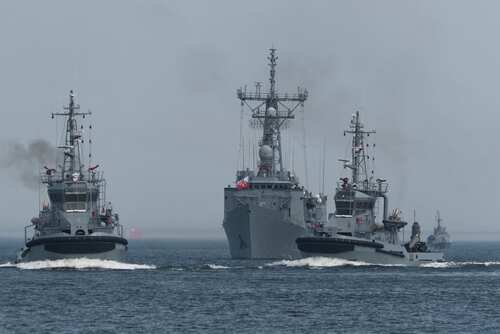
China and Russia are sending warships into another joint drill and patrol, even as Washington and its allies watch with growing concern.
Quick Take
- China says the drill is part of an annual cooperation plan, not a one-off show of force.
- The exercise will focus on maritime security threats and include air defense, anti-ship work, and submarine rescue.
- China says the “Joint Sea” series has run since 2012, which supports the claim that this is routine.
- Western outlets still frame the partnership through the lens of Russia’s war in Ukraine and wider tension with the United States.
Beijing Casts the Drill as Routine Cooperation
China’s Ministry of National Defense says the new “Joint Sea-2026” drill is part of an annual plan with Russia. The ministry says the exercise is meant to respond to security challenges and protect regional peace and stability. That framing matters because Beijing is presenting the event as standard military coordination, not a sudden crisis move. Chinese state media also says the “Joint Sea” drills have been held since 2012.
That history gives China an easy line of defense against criticism. Officials point to a long pattern of naval drills and patrols, including last year’s exercise near Vladivostok and follow-on Pacific patrols. Chinese military commentator Song Zhongping says these drills and patrols have become routine and now follow an annual rotation. For readers worried about rising global tensions, the key point is simple: Beijing wants this seen as normal military cooperation.
What the Drill Will Cover
Global Times says the exercise will center on “joint response to maritime security threats” and will move through three phases: force assembly, port planning, and at-sea operations. Those sea operations are expected to include joint maneuvers, submarine rescue, air defense, and anti-ship work. That is a broad set of tasks, and it shows the drill is not just symbolic. It is a practical test of how well the two navies can work together at sea.
The planned patrol in the Pacific adds another layer. China’s Defense Ministry said the drill will be followed by joint patrols in relevant areas of the Pacific Ocean. But the ministry did not give exact locations or the size of the force. That leaves outside observers with an important gap in the public record. The broad language may calm some people, but it also leaves room for suspicion about how far and where these operations will reach.
Why the Drill Matters to Washington and Its Allies
American and other Western outlets are likely to read the drill through a different lens. Reuters and other reporting have tied China-Russia military cooperation to Russia’s war in Ukraine and to wider concerns about strategic alignment. That does not overturn Beijing’s stated purpose, but it explains why the drill draws attention far beyond the Pacific. In plain terms, a Chinese-Russian naval event now lands in a world already shaped by war, sanctions, and mistrust.
🚨 RUSSIA & CHINA START JOINT NAVAL DRILL 'SEA-2026' IN YELLOW SEA 🚨
Warships, subs & marines deployed. This solidifies the military alliance, threatening regional balance. $LMT $GD $NOC poised to benefit from rising tensions. #Geopolitics #DefenseStocks— GlobalFlash (@GlobalFlash_Cam) July 5, 2026
There is also a larger pattern behind this event. Research from the Institute for Strategic Studies and the Congressional Research Service shows that China and Russia have steadily increased combined military exercises and patrols over the past decade. Those studies describe a growing defense partnership that has become more frequent, more complex, and more visible in the Asia-Pacific region. That means this drill is not happening in a vacuum. It fits a wider push to deepen military ties and signal power.
What Is Still Not Clear
China says the exercise is not aimed at any other nation, but that claim is not independently verified in the public material provided. No outside source in this package names a specific maritime threat that this drill will directly counter. There is also no public evidence here of a formal joint threat assessment or shared intelligence brief that explains the mission in detail. For readers who want transparency, that missing information is the real weakness in the story.
At the same time, the timing is hard to ignore. Western governments still view China-Russia military cooperation with suspicion, and the Ukraine war has made that distrust stronger. So while Beijing calls the drill routine and defensive, critics see a broader message of alignment against the United States and its partners. That split is now part of the modern security landscape, and this drill is another example of how fast that divide is widening.
Sources:
feedpress.me, english.aawsat.com, globaltimes.cn, facebook.com, chinarussiareport.substack.com, youtube.com, legis1.com, mwi.westpoint.edu