
In 1997, the United States bought 21 Moldovan MiG-29 fighters to block Iran from getting a nuclear-capable delivery system, a deal U.S. officials framed as a hard stop against proliferation.
Story Highlights
- The United States purchased 21 MiG-29 jets from Moldova in 1997 to preempt an Iranian buy.
- The package included advanced variants, missiles, and spare parts, according to contemporaneous reports.
- Defense Secretary William Cohen said the jets could carry nuclear weapons and would be studied.
- Department of Defense photos later showed the aircraft being readied for shipment to the United States.
What Washington Did And Why It Mattered
U.S. officials struck a Cooperative Threat Reduction deal with Moldova in June 1997. The agreement authorized the United States to buy nuclear-capable MiG-29 fighters to keep them away from regimes of concern. In October, the United States purchased 21 MiG-29s, preempting Iran’s efforts to gain delivery systems for weapons of mass destruction. Reports at the time said the package covered 14 MiG-29C aircraft, six MiG-29A aircraft, one MiG-29B trainer, missiles, and spares.
The move fit a post–Cold War pattern. The United States used targeted buys and removals to reduce risks from leftover Soviet hardware. Officials said Iran had shown interest in Moldova’s MiG-29s. U.S. leaders chose to remove the option by buying the planes first. Radio Free Europe/Radio Liberty reported the sale gave the United States “practically the entire Moldovan air force,” totaling 21 aircraft. This was a direct nonproliferation action, not a prestige purchase.
How The Deal Looked On The Ground
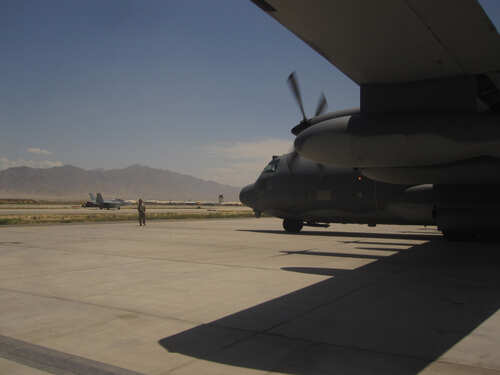
Defense Secretary William Cohen said the MiG-29s were capable of carrying nuclear weapons. He added the United States would study and analyze the jets after the transfer. Department of Defense imagery later showed Moldovan MiG-29 aircraft being prepared for air shipment to the United States under the Cooperative Threat Reduction program. Those official captions tied the action to the June 23, 1997 accord and stated the goal was to prevent dual-use systems from reaching rogue states.
Reports at the time placed the transaction’s value at about $40 million. One outlet cited that figure as the reported price. Another quoted a Moldovan finance official saying Washington paid about $40 million in cash. While accounts differ on the exact mix of cash and assistance, the repeated figure signals the general scale. The aircraft and included equipment offered the United States both denial value and a chance to learn more about advanced foreign fighters.
Why This Still Matters For U.S. Security
The Moldova MiG-29 purchase shows a clear model: act early, deny dangerous tools to hostile regimes, and reduce risk at a fair price. That approach protects Americans, our troops, and our allies. It also backs up talks with real action. Iran’s interest in capable jets was known in the 1990s. By moving first, the United States ensured those specific airframes, missiles, and spares did not add to Iran’s options.
For conservatives focused on strong defense and limited risk, the lesson stands. Smart, lawful buys can be cheaper and safer than later wars. The Moldova case blended nonproliferation, intelligence value, and deterrence in one package. It also showed partners that America would spend to prevent threats before they grow. That is the kind of clear, results-first policy that defends our nation and honors the duty to keep Americans safe.
Sources:
19fortyfive.com, armscontrol.org, acronym.org.uk, nationalsecurityjournal.org