
President Trump ordered a major cut to U.S.–South Korea military drills, saying big war games send “hostile signals” and waste money.
Story Highlights
- Trump directed the Pentagon to scale back large joint exercises with South Korea, citing diplomacy and cost.
- The move follows earlier precedents where allies shrank drills to support talks with North Korea.
- A past canceled drill was pegged at about $14 million, showing at least some exercises are pricey.
- Critics warn reduced drills could weaken readiness; one former ambassador called that path a failure.
Trump’s Order: Scale Back Big Drills To Lower Tensions
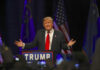
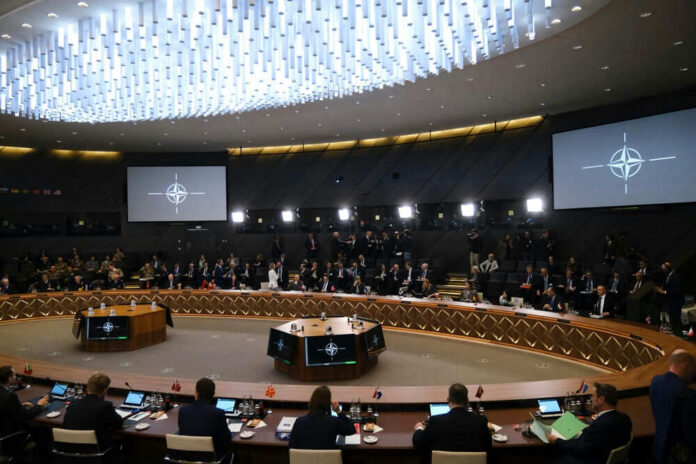
President Trump said large joint exercises with South Korea are “costly” and send “completely inappropriate and hostile signals” to North Korea. He said he instructed Defense Secretary Pete Hegseth to “substantially reduce” the drills to support diplomacy and avoid mixed messages. South Korean and American outlets reported the directive on August 16, 2026, quoting Trump’s statement and describing it as a major change to the exercise posture on the peninsula.
The administration linked the scale-back to de-escalation. North Korea regularly brands major drills as invasion practice and often times missile launches near exercise windows. That pattern has long fueled a debate over whether large exercises deter or provoke Pyongyang. Trump’s team argues shrinking the footprint can cut the temperature while keeping core readiness in smaller, targeted training that is less visible to the North.
Past Precedent: Smaller Drills Used To Back Diplomacy
United States and South Korea leaders have previously dialed down big drills to help talks. In 2019, the allies announced they were ending their massive spring exercises and replacing them with smaller events to support diplomacy aimed at resolving the nuclear crisis, according to a joint message cited by public broadcasting in the United States. U.S. Army materials also show exercises were revised amid peace talks after inter-Korean leaders signed a declaration to reduce military tensions.
That history underlines that today’s decision is not a blind gamble or an unprecedented concession. It is a known policy tool used by both governments. The question is not whether reduction can be done. The question is how to do it while keeping combined forces sharp and sending a clear signal of strength. The administration says targeted training continues, but without the spectacle that North Korea seizes as an excuse to raise threats.
Money And Readiness: What We Know And What Is Missing
Trump highlighted cost concerns. Past reporting put one canceled U.S.–South Korea “war game” at about $14 million, suggesting at least some events carry a real price tag for taxpayers. Reuters also cited an estimate of around $14 million for that exercise, which aligns with the administration’s push to cut waste and focus on what works for defense and deterrence. However, a full audit of total annual exercise costs has not been made public in the current record.
Critics raise readiness risks and question results from earlier reductions. Former U.S. ambassador to South Korea Harry Harris argued that cutting drills to bring North Korea to talks is a “proven path to failure,” pointing to years where such gestures did not stop Pyongyang’s weapons advances. Some reports also indicate Seoul initially signaled exercises would proceed as planned, showing alliance friction that Washington and Seoul will need to smooth out as details roll out.
Alliance Management And Next Steps For Accountability
Allies succeed when the message is clear and unified. To lock in deterrence while avoiding needless provocation, the Pentagon should publish guidance that explains what training continues, how combined forces maintain readiness, and how smaller drills still meet war plan needs. A public cost review would also help taxpayers see where savings come from and how they do not weaken the shield that guards American and South Korean families.
Trump orders cuts to South Korea joint drills despite warnings of North’s growing battlefield experience | North Korea | The Guardian https://t.co/xjQ9u2Bmjx
— Max Power (@max_power50) August 17, 2026
Conservatives expect strength with discipline. The record shows scaled drills have been used before to support diplomacy, while keeping targeted training in place. Trump’s order follows that track. The policy now needs tight execution: coordinate closely with Seoul, keep the troops sharp, and show Kim Jong Un that America can talk while staying ready. Transparency on costs and metrics will let the public judge success and hold Washington’s security establishment to results, not rituals.
Sources:
facebook.com, apnews.com, english.aawsat.com, pbs.org, news.sbs.co.kr, ynetnews.com, army.mil, koreatimes.co.kr