
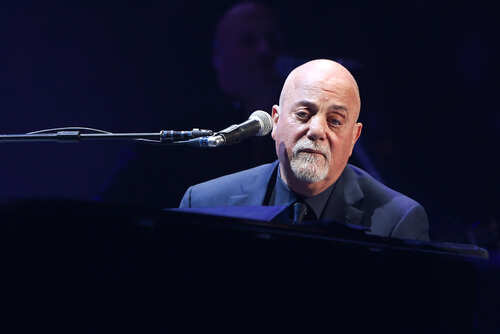
Billy Joel says he is “not allowed to drive” right now, tying the stop to his brain condition and doctor guidance.
Story Snapshot
- Joel says he cannot drive and cannot perform at this time.
- He links both limits to normal pressure hydrocephalus and doctor advice.
- He awaits tests that could shape his next steps and timeline.
- Earlier, he canceled major stadium shows on physician orders.
A clear statement from Joel on driving and performing
Billy Joel told an entertainment outlet, “I can’t drive right now. I’m not allowed to drive,” and added he is also off the stage as doctors assess him. He said more tests are coming and that these results will guide what he does next. He also recounted advice from his neurologist that each full-blast show hits his body like a concussion, which makes the pause on live concerts a safety choice, not a whim.
Joel’s words carry weight because they match a long arc of updates. In May 2025, his official site announced a diagnosis of normal pressure hydrocephalus. The note said recent shows worsened problems with hearing, vision, and balance. His doctors directed him to start specific physical therapy and to stop performing during recovery. The same notice listed major cancellations, including shows at American Family Field and Yankee Stadium, among others.
What normal pressure hydrocephalus can mean for daily life
Normal pressure hydrocephalus can affect walking, thinking, and bladder control. Doctors also watch for vision and balance limits that raise fall risk. When symptoms flare, both stage work and driving get harder. Driving is a complex task that draws on fast vision, split-second judgment, and steady motor control. If any of those falter, the risk to the driver and others grows. Joel tied his present limits to this logic, guided by his neurologist’s advice and pending tests.
Medical rules on driving vary by state, but the pattern is simple: safety first. Only a small set of states force doctors to report impairing conditions, and most allow or expect physician judgment within review systems. New York’s Medical Review Unit can investigate medical issues that may affect safe driving and can require exams or restrictions based on findings. That structure explains why a person in Joel’s spot could be told not to drive while evaluations continue, without a splashy legal notice.
The difference between headlines and the record
The facts here are direct and do not need drama. Joel says he cannot drive now, and he tied that to his brain condition and doctor guidance. He also said tests will help decide whether he can return to performing. His official site earlier confirmed the diagnosis, listed symptoms, and documented doctor-ordered rest and therapy along with canceled stadium dates. Those points create a clear throughline: act with caution, get treatment, test again, then decide.
Some coverage leans on words like “heartbreaking” or “bleak,” which can make a pause sound like a life sentence. That tone skips the practical path many Americans follow after a health shock: stop risk-heavy tasks, do therapy, take the tests, then get a tailored plan. From a common-sense view, taking the keys out of the ignition while your balance and vision are in flux is not gloom. It is responsibility. That ethic protects you and everyone you share the road with.
What to watch next
Two signals will matter from here. First, the outcome of Joel’s next round of tests, which he said will guide whether he can resume driving and performing. Second, any new directive from his care team that refines limits or clears set activities. Fans should also look for updates on rehabilitation progress, since gains in balance and vision often track with safer mobility and more daily freedom. One short caveat applies: the public record does not show specific test names or dates yet.
Music legend Billy Joel says he’s been advised against driving or performing on stage until his doctors can better assess his brain condition. | Link in bio pic.twitter.com/PKube6OAes
— FOX 56 News (WDKY) (@FOX56News) October 17, 2026
Set aside celebrity and this story is familiar. A medical issue appears. A doctor says pause. A patient listens, even when it costs. Then the patient does the work, gathers data, and adjusts life within real limits. If the tests show green lights, more doors open. If they flash yellow, you slow down and plan your route. That is how adults handle risk. Joel’s update fits that model: careful, candid, and grounded in the simple duty to keep the road safe.
Sources:
thegatewaypundit.com, billyjoel.com, dmv.ny.gov