
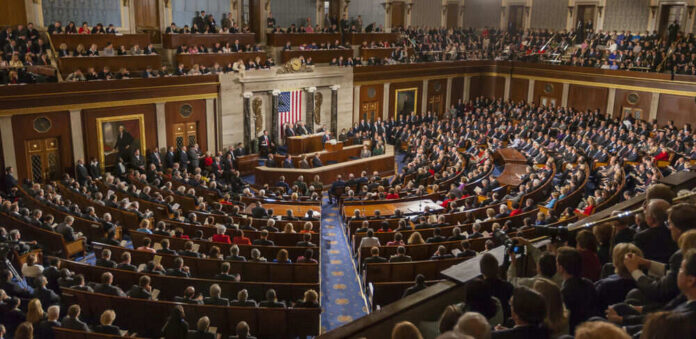
Democratic leaders are preparing sweeping subpoenas aimed at President Trump’s team and family, signaling a partisan legal blitz instead of action on costs for American families.
Story Snapshot
- House and Senate Democrats are touting subpoena power, contempt, and court enforcement to target Trump-world.
- Planned probes span Trump family business dealings, government contracts, and Jeffrey Epstein-related records.
- Top Democrats also claim they will tackle affordability, but critics warn probes could delay real cost relief.
- Legal fights over subpoenas could drag on for months, reducing results and raising costs without answers.
Democrats Outline An Aggressive Subpoena Strategy
Incoming House Oversight leader Robert Garcia said Democrats will use the power of subpoena, contempt, and the courts “on day one.” He listed Trump-family business dealings and government contracts among early targets. Senate Democrats echoed that stance. Senator Ron Wyden posted “Subpoenas,” and Senator Maggie Hassan pressed a potential witness to testify under oath. These statements show a coordinated plan to compel records and testimony across multiple fronts.
Public reports describe a broad scope. Targets include alleged corporate corruption, immigration enforcement, and the status of Jeffrey Epstein-related files. Outlets covering the agenda say Democrats want to link some probes to pocketbook concerns, such as drug prices and tech power. Yet the plan remains an investigative roadmap, not a set of completed findings. Announced priorities do not replace the need for verifiable documents, sworn testimony, or finished reports before reaching conclusions.
What Will Be Investigated — And What Is Still Unproven
Coverage lists specific allegations that Democrats may chase, from foreign-linked money to post-office investments tied to Trump associates. The reporting, however, does not present bank records, signed contracts, or authenticated testimony that proves those claims today. Even supporters concede that subpoenas can face court challenges, which can stall releases and leave gaps in the public record. An agenda on paper is not the same as evidence tested under oath and in court.
Prominent Democrats argue the probes serve the public interest. They cite possible conflicts between policy choices and private gain. They say Congress must examine deals, contracts, and regulatory calls that may have shaped markets. Some Democrats claim this work could help with costs by targeting concentrated power. But those claims remain promises, not outcomes. No evidence shows these inquiries have lowered prices, raised wages, or eased bills for families so far.
Affordability Promises Collide With Washington Theater
Election coverage shows voters remain focused on the economy and everyday prices. Reports also show Democrats balancing talk of subpoenas with vows to reduce costs. Critics warn that a heavy turn to investigations could crowd out the kitchen-table agenda. That concern is not abstract. Legal fights over subpoenas can run long, drain time, and deliver only partial answers. Families waiting on lower energy bills and food prices cannot spend subpoenas at the grocery store.
CONSEQUENCES Trump Gets Bad News From Democrats. From: Brian Tyler Cohen On @YouTube @briantylercohen On X Interviews Congressman Robert Garcia @RobertGarcia
OUTSTANDING INTERVIEW! https://t.co/DiEWswUlB9From the summary notes: "This video features an interview with Robert…
— MaryMacElveen (@MaryMacElveen) November 6, 2026
Even within Democratic ranks, leaders frame a caution. House Minority Leader Hakeem Jeffries said voters want lower costs, not score-settling. Other Democrats urged avoiding a “vengeance tour.” Those warnings reflect a risk: if probes look political, public trust falls and focus drifts from action that could ease inflation pressures. Meanwhile, Republican voices say Democratic policies would raise prices and hurt jobs, compounding the squeeze that working families already face.
The Constitutional Tool — And Its Limits
Congress holds real oversight power. Committees can call witnesses, seek documents, and pass reforms based on facts. Courts have upheld subpoenas that serve a valid legislative purpose. Still, the modern pattern is clear: investigation, resistance, litigation, and only partial disclosure. Hearings can curb waste, but research finds the effect is often small compared to the size of federal spending. That means oversight is not a silver bullet for runaway prices or broken markets.
For conservatives, the stakes are simple. Washington should focus on lower energy costs, secure borders, and strong families — not partisan fishing trips. If Democrats spend months chasing headlines without proof, they will waste time that should go to cutting spending, boosting supply, and protecting the freedoms guaranteed by the Constitution. The test ahead is whether Congress delivers results people feel at the pump and the checkout line, not louder threats on social media.
Sources:
facebook.com, thelalocal.org, newsweek.com, detroitnews.com, axios.com, politico.com, sentinelcolorado.com, congress.gov