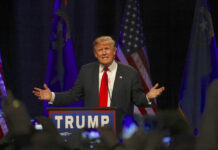

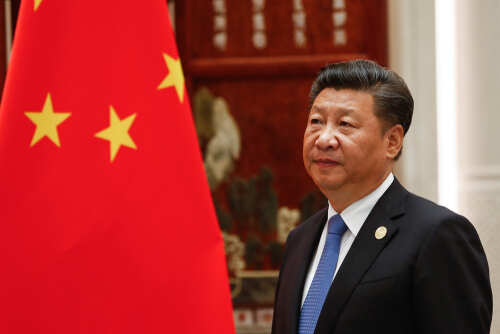
President Trump stood beside China’s Xi Jinping at the APEC summit in Shenzhen, signaling hard-nosed U.S. engagement on trade and security with the world watching.
Story Highlights
- World leaders gathered in Shenzhen for the APEC Economic Leaders’ Meeting, hosted by China.
- President Trump, Xi Jinping, and Vladimir Putin greeted each other before the welcome banquet on November 18.
- Trump and Xi appeared for the leaders’ plenary meeting and group photo on November 19.
- Host-nation control of official images shaped the optics around the summit.
Leaders Convene Under China’s Host Role
Chinese government accounts confirm that China hosted the 33rd Asia-Pacific Economic Cooperation leaders’ gathering in Shenzhen. China’s leader Xi Jinping and his wife, Peng Liyuan, welcomed leaders and representatives at a formal banquet on November 18. The event took place at the Shenzhen International Communication Center and included a staged group photograph. These details come from official host statements, which also describe the ceremonial setting and guest arrivals for the evening program.
Major outlets tracked the scene as leaders arrived and mingled. Coverage noted that President Trump traveled to Shenzhen for the summit and took part in APEC events under the host’s schedule. Reports described a high-profile set of images and greetings that set the tone for two days of meetings. The focus stayed on trade, growth, and regional stability as the leaders moved from the welcome banquet to formal sessions the next day.
Trump, Xi, and Putin Appear Before the Banquet
Contemporaneous reporting places President Trump, Xi Jinping, and Vladimir Putin in the same venue before the welcome banquet on November 18. A live report described Putin shaking hands with Trump ahead of the family photo, while leaders prepared for the evening program. The coverage framed the moment as rare, given the three figures’ prominence and the global tensions that define their agendas. The interaction occurred within APEC’s formal, host-managed setting.
Photographs and galleries from that evening showed the three leaders among other heads of government and representatives. The images underscored the summit’s protocol, which brings all APEC economies into a single frame each year. Outlets highlighted the symbolism but kept the facts to participation, greetings, and positioning in front-row group photos. While many leaders appeared, the complete attendee list in each image was not fully documented in the available sources.
Plenary Meeting Marks Day Two Proceedings
Reporting dated November 19 shows President Trump and Xi Jinping arriving for the leaders’ plenary session and posing with other participants for a group photo on day two. These accounts emphasize the formal agenda and the structured talks hosted by China. The record clearly ties Trump and Xi to the plenary proceedings and official images from that day. The specific participation of every leader in each photo, however, was not fully itemized in the cited reports.
The timeline matters here. The welcome banquet and initial family photograph occurred on November 18, followed by plenary meetings and another group photograph on November 19. Several outlets and official Chinese materials align on that sequence. That distinction helps explain why some headlines tag November 19 as the summit showcase, while the first images and greetings circulated the night before.
Host Control of Optics and Why It Matters
Asia-Pacific Economic Cooperation rules state that the host economy arranges official photographers and broadcasters for leader events. The host also manages rapid distribution of images and releases. That policy means China shaped much of what the world saw from Shenzhen, including group photographs and stagecraft. This structure is standard for Asia-Pacific Economic Cooperation and not unique to China, but it explains the fast, polished visuals and the prominence of select moments in global coverage.
Watch | Shenzhen, China: US President Donald Trump addresses the 33rd APEC Economic Leaders' Summit.
During this, he says, "And here in China, I look forward to a historic trilateral meeting with President Xi and President Putin later today to discuss more opportunities for all… pic.twitter.com/9FOcWsx0Vc
— United News of India (@uniindianews) November 19, 2026
For American readers, the images show firm engagement without surrendering values. President Trump stood on equal footing in a forum that often tests U.S. trade interests. He engaged allies and rivals while pressing America’s goals on growth, fair competition, and secure supply chains. The pictures do not change U.S. policy; they show it in action. The summit placed American leadership in the center of a region that drives much of the world’s economy, energy demand, and technology trade.
What Conservatives Should Watch Next
Trade rules, market access, and industrial standards move at these summits, even when cameras focus on handshakes. Conservatives should track whether follow-up talks lead to stronger protections for U.S. producers and energy workers. Watch for steps that reduce red tape, end unfair trade barriers, and protect critical technology. Also note how host-driven optics can drive narratives. The real test is what policy changes follow the photos, and whether they advance American strength and family economic security.
Sources:
edition.cnn.com, abcnews.com, news.abs-cbn.com, yahoo.com, cnbc.com, asean.china-mission.gov.cn, charlotteobserver.com