
A Maricopa County election worker says ballots marked for Andy Biggs were routed to adjudication and resolved in ways that erased Biggs votes and aided Democrat Katie Hobbs, raising fresh alarms about ballot handling in Arizona’s tight governor race.
Story Highlights
- An alleged adjudicator describes crossed-out Biggs marks sending ballots to review, then counted for Hobbs.
- A second pattern claims Biggs-Lombardo double-marks led to no count for either candidate.
- Reported data show 153,404 adjudicated ballots Nov. 1–6; 54.70% tagged as overvotes.
- Arizona law details how adjudication boards and recounts are to function when needed.
Worker Account Describes How Crossed-Out Marks Triggered Adjudication
An alleged adjudicator from the Maricopa County Ballot Tabulation Center described ballots that showed a vote for Andy Biggs and a vote for Katie Hobbs, with an X through Biggs. The worker said this sent the ballot to adjudication as an overvote. The adjudicator said reviewers would then remove the Biggs vote, read the X as a change of mind, and the count would go to Hobbs. The account was shared publicly with the specific example and rationale for the decision path.
The same account identified ballots marked for both Biggs and Republican candidate Lombardo. The worker said these also became overvotes but were handled differently. In those cases, the worker said neither Biggs nor Lombardo received a vote after review. The described difference matters because it would favor Hobbs in the crossed-out Biggs scenario while zeroing out two Republicans in the other, if applied at scale. The report attributes these details to the same adjudicator account.
Adjudication Totals Show Large Volume, Majority Overvotes
Reported adjudication figures for November 1–6 cite 153,404 ballots routed to review, with 54.70 percent classified as overvotes, 27.82 percent as ambiguous, and 17.27 percent as write-ins. These numbers frame the scope of ballots that did not pass the scanners cleanly. Ballot adjudication happens when machines flag unclear marks, double-marks, or write-ins that need human review. Bipartisan teams are supposed to determine voter intent in these cases.
Arizona law and guidance outline how counties form adjudication boards and manage recounts when required. State materials describe electronic adjudication boards with judges from both parties and supervision by an inspector to resolve unreadable marks and overvotes. The Arizona Secretary of State’s public procedures address post-election processes, while separate statutes direct recounts if margins meet legal triggers. These frameworks are meant to set guardrails so that voter intent is honored within clear rules.
What The Allegation Could Mean And What Records Could Settle It
The worker’s claims target how adjudicators interpreted “voter intent” on contested marks. The account points to a process outcome that could help one side if the same rule was not applied evenly. The clearest way to confirm how decisions were made is to review the adjudication export, ballot images, and audit logs that show who took each action and why. The reported dataset size gives a measurable target for a focused audit.
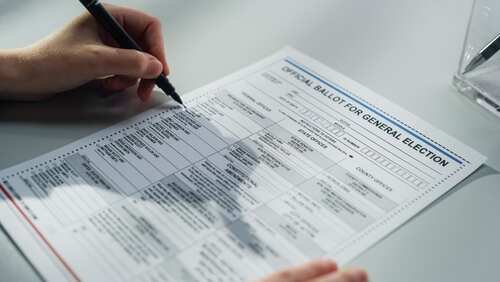
Ballot adjudication is the process election workers use when a ballot can’t be read cleanly by the machine.
It happens when a ballot is flagged for issues like:
• Overvotes (marking more candidates than allowed in a race)
• Undervotes (leaving a race blank)
• Ambiguous…— Summer (@EclipeByDeath) November 8, 2026
Key records include anonymized ballot images, reason codes for overvotes, and board decisions by contest. Observers could test whether crossed-out marks and double-marks were handled the same way across similar cases. Arizona law provides for bipartisan participation and recount procedures, which can support structured reviews where needed. Until those records are examined, the public will only see the patterns described by the worker and the high share of overvote classifications in the adjudicated pool.
Sources:
thegatewaypundit.com, dispatch.com, tucson.com