

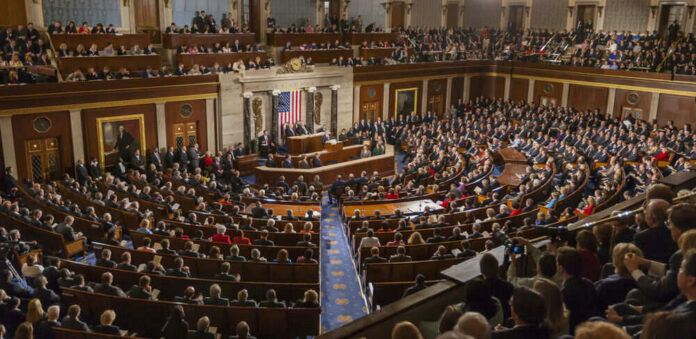
A Democratic House can greenlight impeachments with a simple vote, and party leaders are preparing probes that could set those votes in motion.
Story Highlights
- House Democrats can pass articles of impeachment with a simple majority.
- Associated Press says impeachment of President Trump and Cabinet officials is “not off the table”.
- Planning centers on aggressive investigations, subpoenas, and document demands before any votes.
- Any removal would still require a two-thirds vote in the Senate, a far higher bar.
What Democrats Can Do With A House Majority
Congressional rules give the House power to impeach any civil officer by a simple majority vote. That means a Democratic House could advance articles against President Trump or Cabinet members if they choose. The Congressional Research Service explains that the House sets the charges. The Senate then runs the trial. The House’s lower threshold makes impeachment a political tool when one party holds the gavel. The question shifts from “can they” to “what will they try next.”
The United States Senate holds the harder step. The Senate must convict by a two-thirds vote of members present to remove an official from office. That is a steep climb even in heated times. The Senate’s standard protects stability and stops quick removals driven by partisanship. The Senate’s own guide lays out this supermajority rule and the trial process in clear terms. Any House impeachment would face this constitutional backstop.
What Reporting Says Democrats Are Planning
The Associated Press reported that House Democrats are preparing investigations of Trump and his administration. The report said impeachment of Trump and Cabinet officials is “not off the table.” That puts formal charges within reach if Democrats choose to escalate. Reuters reporting, carried by CNBC, adds key detail. It says Democrats are designing hearings, subpoenas, and document requests on Trump-linked money, contracts, and donors before any impeachment push.
Names and targets have already surfaced. Reports cite possible focus on Defense Secretary Pete Hegseth, who has faced impeachment articles introduced by Republican Representative Thomas Massie over Pentagon leadership and conduct in the Iran war. Other coverage mentions attention on additional Cabinet officials. The theme is the same: investigations first, with impeachment as the lever if findings support it. That structure lets a House majority turn oversight into political pressure.
How Far Could This Go — And What Could Stop It
Strategy signals point to investigations as the first move, not an automatic impeachment blitz. Democratic figures have said impeachment depends on evidence. Planning reported by Reuters underscores building a record before any vote. That approach allows committees to frame claims, control headlines, and time hearings. It also keeps options open to file articles later. For conservatives, the risk is clear: weaponized oversight can bruise reputations even without proof strong enough to remove.
Trump's next chapter comes with probes …
For Donald Trump, Tuesday's elections will chart the course for the final two years of his presidency. If his party loses control of Congress in the midterm elections, the rest of his time in office is likely to be consumed by…
— 🅰arbind Tiwari #🅰3️⃣RT Signature Financial Serv. (@arbindtiwariT) November 4, 2026
Constitutional guardrails still matter. Even if the House passes articles, the Senate’s two-thirds rule to convict is a high wall. That bar has stopped removal in past modern impeachments. The split design is by intent. The Framers wanted the House to bring charges when needed, but only the Senate to decide removal with a wide consensus. For readers, the bottom line is practical: expect subpoenas and hearings fast; expect removal only if evidence is overwhelming.
What Conservatives Should Watch Next
Watch committee gavels, not just floor votes. House committees can demand records on business deals, federal contracts, and donors tied to Trump-world. CNBC’s summary of Reuters reporting lists those exact targets, including Department of Homeland Security contracts and a proposed White House ballroom. The Associated Press says impeachment stays on the table while this machine ramps up. If hearings turn up disputed claims, articles could follow swiftly with a party-line vote.
Also track which officials face the earliest heat. Reporting highlights Cabinet names, starting with Hegseth, as practical first targets. Cabinet impeachments avoid direct clashes with the presidency while still hitting the administration’s agenda. That tactic can drain time and focus from border security, energy policy, and spending reform. It can also chill strong executive action. Conservatives should press for due process, insist on full context for any claim, and demand that committees release full records, not cherry-picked snippets.
Why This Fight Matters For Constitutional Limits
Impeachment is a grave power. Used well, it defends the Constitution. Abused, it becomes a partisan cudgel. The framework here is set: a Democratic House can impeach by a simple vote, media reports say they are preparing widescale investigations, and leaders have not ruled out charges against Trump or his team. The Senate’s two-thirds standard for removal stands as a brake. Voters should expect noise, subpoenas, and headlines. They should also demand facts that meet the Constitution’s test.
Sources:
congress.gov, senate.gov, theatlantic.com