
A twice-deported Honduran national allegedly claimed he had a bomb and tried to reach a United Airlines cockpit, triggering a hijack alert midflight.
Story Highlights
- Homeland Security reported an attempted cockpit breach and bomb claim on United Flight 2174.
- Jefferson Parish deputies arrested the suspect after landing and booked him on state felonies.
- Immigration and Customs Enforcement lodged a detainer to take custody if he is released.
- Department of Homeland Security said the man had been deported twice before reentering unlawfully.
What Authorities Say Happened Onboard United Flight 2174
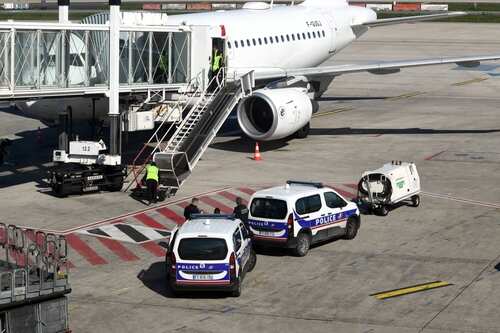
Department of Homeland Security officials said a passenger on United Flight 2174 from Newark to New Orleans told crew members he had a bomb and tried to get to the cockpit. Dispatchers received a hijack alert during the flight. The aircraft carried 46 passengers and six crew and landed safely in New Orleans, where law enforcement met the plane at the gate. Officials described the behavior as irrational and serious under aviation-security standards.
Jefferson Parish authorities took the man into custody after landing. The Jefferson Parish Sheriff’s Office booked him on charges of communicating false information of planned arson and terrorizing, both under state law. Those charges reflect a claimed bomb threat and actions that raised a severe security alarm onboard. No conviction has been reported at this time, and any charges will proceed through the courts. The sheriff’s office led the local response once the plane arrived.
Immigration Status, Prior Removals, And The ICE Detainer
Department of Homeland Security identified the suspect as a Honduran national who had been removed from the United States twice and later reentered illegally. That history places the case at the overlap of aviation security and immigration enforcement. Following the arrest, Immigration and Customs Enforcement lodged a detainer with the Jefferson Parish Sheriff’s Office. The detainer asks the jail to notify federal officers before any release so they can seek custody for immigration proceedings.
Local reports stated the detainer was placed soon after the booking in Louisiana and cited the prior removals in the enforcement summary. That action signals that federal immigration authorities intend to take over if the suspect clears state custody on bond or case completion. Detainers are a routine tool used when the person is in local jail on criminal charges and may be subject to removal under federal law.
How The In-Flight Threat Fits Known Aviation-Security Patterns
Federal Aviation Administration reporting shows thousands of unruly-passenger cases in recent years. The Transportation Security Administration classified more than 150 top-tier threats and over 40 highest-tier threats across the last decade, which include attempted cockpit breaches and bomb threats. Post-September 11 security rules built layered barriers around cockpit access to prevent a takeover. Those layers include reinforced doors, procedures during service, and crew training for hostile behavior.
Officials treat a bomb claim combined with a move toward the flight deck as a high-risk trigger, even if the flight lands safely. The alert is designed to move law enforcement to the gate and prepare for the worst case. That is what occurred here, according to the described response. The event fits a known category of serious onboard threat rather than a routine disturbance, based on federal threat levels and airline safety protocols.
Charges, Evidence Gaps, And What Comes Next
The state felonies charged so far match the claim that a passenger told crew he had a bomb and set off a hijack alert. Authorities have not reported that a bomb or explosive device was found, and the public record does not describe a recovered weapon or residue. That is why the booked offenses focus on a false threat and terrorizing under state law. Prosecutors and federal officials will decide whether additional charges are warranted after they review reports.
A twice-deported Honduran national accused of trying to storm the cockpit of a United Airlines flight and claiming to have a bomb was previously granted asylum after telling immigration authorities he feared being killed because he was transgender, DHS confirms.
Rony Alexander… pic.twitter.com/pPgyM2FLCL
— Fox News US (@FoxUSNews) November 12, 2026
The Federal Bureau of Investigation and the United States Attorney’s Office commonly review in-flight threats for possible federal counts. Those can include interference with flight crew or attempts to access the flight deck. Decisions often turn on crew statements, passenger accounts, flight-deck reports, and any physical evidence. For now, immigration enforcement has flagged the case for custody if there is a local release, and aviation-security rules appear to have worked as designed to keep the cockpit secure.
Sources:
kplctv.com, 6abc.com, washingtonexaminer.com, legalinsurrection.com