

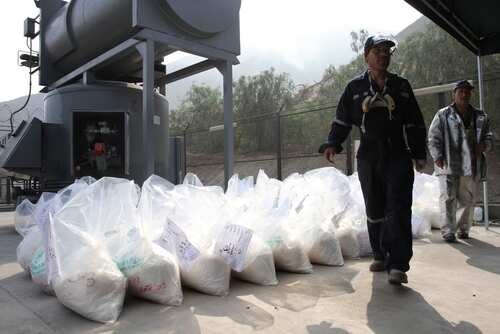
Faced with 68 drums of unstable lead azide, the U.S. Army moved under an EPA emergency permit to conduct a controlled in-place detonation at the Iowa Army Ammunition Plant to prevent a far more dangerous blast.
Story Highlights
- EPA issued an emergency permit authorizing in-place detonation of degraded lead azide at the Iowa Army Ammunition Plant.
- Court filings show the Army prepared to invoke a separate emergency exclusion if temperatures raised the risk of an uncontrolled explosion.
- A court lifted an initial stay, restoring the EPA permit and clearing the path to proceed with safety controls.
- Environmental advocates pressed for more disclosure and alternatives, reflecting a long-running policy tension over open detonations.
What Triggered the Emergency at Iowa’s Ammunition Plant
Army officials identified 68 drums of degraded lead azide at the Iowa Army Ammunition Plant in Middletown. Lead azide is a sensitive explosive that can grow more unstable as it degrades. Federal regulators concluded the condition posed an imminent danger if left in place. The Environmental Protection Agency issued an emergency permit effective November 13, 2026, authorizing storage and in-place detonation outside the plant’s standard permit boundary to neutralize the risk.
The emergency permit set the legal path to handle a reactive and toxic material without hauling it on roads or into buildings. Moving degraded lead azide can increase risk because shock and friction can trigger it. The Army argued that an on-site, controlled blast would reduce danger to workers and neighbors. The public notice confirmed the permit covered storage and treatment by intentional detonation with safety controls tailored to site conditions and weather windows.
Courts, Permits, and the Army’s Backstop Plan
Environmental groups petitioned the Eighth Circuit to review the emergency permit and sought a stay. The docket shows an administrative pause landed, then was lifted, restoring the EPA permit to effect so the Army could proceed under federal law. During the back-and-forth, the government notified the court that the Army could also invoke a separate emergency munitions and explosives exclusion if temperatures dropped and spiked the risk of a spontaneous blast.
That emergency exclusion sits in Resource Conservation and Recovery Act rules for immediate explosive threats. It recognizes that some munitions emergencies require fast, expert action outside normal permitting. An Environmental Protection Agency policy paper explains that open detonation is generally permitted, but emergencies can proceed under exemptions or emergency permits when immediate threats exist. The Iowa case followed that framework rather than a novel theory, according to court and agency filings.
Safety Measures and Public Health Concerns
Army statements stressed public safety as the top priority and noted schedule shifts to hit safer weather windows. Leadership postponed a planned operation to ensure conditions met safety requirements and to coordinate with local partners. A court order later cleared the EPA permit, enabling a controlled approach with monitoring and site-specific controls. Officials framed that plan as the best way to avoid an uncontrolled explosion that could cause greater harm.
Environmental advocates argued that alternatives were not fully considered and pressed for more details shared with the public. Their filings underscored fears about airborne lead if a plume traveled off-site. That pushback reflects a broader tension in federal policy between rapid action on explosive hazards and environmental oversight of open detonations. Federal guidance acknowledges both needs and allows emergency responses when delay could worsen danger. Those questions will likely continue in court and oversight forums.
What This Means for Readiness, Community Safety, and Accountability
Explosives that degrade in storage put workers and nearby families at risk if not handled fast and well. The EPA’s emergency permit gave the Army authority to treat the hazard on-site and avoid transport risks. The court’s action restoring the permit reinforced that path while litigation continues. The government’s notice about an emergency exclusion showed a belt-and-suspenders plan to act if cold weather raised the chance of a self-initiated blast.
For conservatives, two principles should guide the response. First, protect life and property with clear rules, swift action, and tight accountability. Second, insist that agencies communicate plainly about risks, safeguards, and results. The record shows the legal tools exist for true emergencies, and commanders used them. Ongoing oversight should verify air monitoring, debris controls, and community notifications matched the permit and best practice. Safety, transparency, and mission readiness can and must move together.
Sources:
ecf.ca8.uscourts.gov, epa.gov, desmoinesregister.com, response.epa.gov