
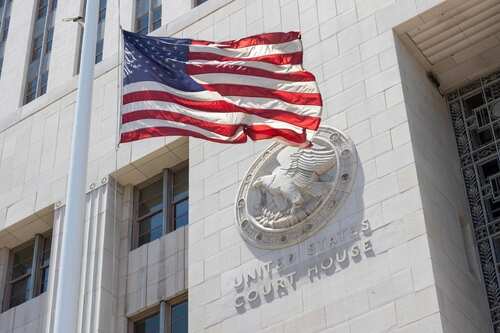
Federal prosecutors charged 28 lawful permanent residents in California with fraudulent voter registration and, in most cases, illegal voting in federal elections, spotlighting a system that let noncitizens get ballots anyway.
Story Highlights
- Justice Department charged 28 foreign nationals tied to voter registration and illegal voting crimes.
- Officials say 11 defendants were arrested in a statewide operation spanning four federal districts.
- Separate lawsuit says more than 20,000 likely noncitizens appeared on California’s voter list.
- Appeals court let California count ballots while the lawsuit proceeds, keeping the dispute alive.
What Federal Prosecutors Say Happened
The Department of Justice announced charges against 28 identified lawful permanent residents in California. Prosecutors said the cases involve fraudulent voter registration and, for most defendants, illegal voting in federal elections. The department listed federal crimes such as false statements in naturalization paperwork, fraudulent voter registration, and voting by a noncitizen. The registration felony carries up to five years in prison, and the illegal voting misdemeanor carries up to one year if convicted.
Officials said the operation, called “Operation Protect the Vote,” involved all four California-based United States Attorney’s Offices. Authorities arrested 11 of the 28 individuals named in criminal complaints and indictments. First Assistant United States Attorney Bill Essayli linked the action to federal law that bans noncitizen voting in federal races. The department framed the sweep as targeted enforcement, not a paperwork cleanup, because it brought criminal counts rather than only list maintenance notices.
The Broader Fight Over California’s Voter List
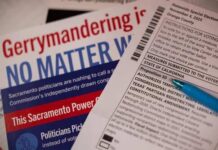
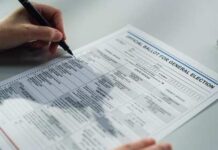
Days before the charges, the federal government sued California after identifying more than 20,000 people it called likely noncitizens who had been sent vote-by-mail ballots. The Justice Department said it sent state officials the list and asked them to act. California officials resisted the request. A federal appeals court declined to block the state from counting ballots from that group while the case proceeds, leaving the ballot question unresolved for now.
The department described the 20,000 figure as “likely noncitizens,” which signals a data-match finding rather than confirmed immigration status for each person. That matters because database matches can have errors, and California leaders seized on that point. Still, the same week brought 28 criminal cases that allege concrete violations against named defendants. The legal tracks now move in parallel: criminal prosecutions on facts, and a civil suit over list integrity and ballot handling.
How California Officials and Defendants Responded
California’s Attorney General Rob Bonta said the federal government gave no substantiation beyond a list and argued the cases do not show widespread fraud. He pointed to the state’s 23 million registered voters and called the prosecutions a small share. Some defendants voiced shock or confusion. One woman said she did not remember registering and had not voted. Another man said he was unaware of registering. These are denials, not court rulings, and the cases have not reached verdicts.
DOJ ANNOUNCES ELECTION-RELATED CHARGES INVOLVING 48 PEOPLE — WHAT THE NUMBER DOES AND DOESN’T SHOW
October 26, 2026
The Justice Department announced charges involving 48 people in California, Florida, Nevada, New York and Pennsylvania.
The announcement covers alleged illegal…
— Receipts Matter (@ReceiptsMatter) October 26, 2026
Reasonable people understand two truths can both hold. First, some noncitizens do get onto voter rolls and, at times, cast ballots. Second, large list-matching claims must be tested to avoid false hits. The Justice Department charges address specific alleged crimes. The civil lawsuit seeks to fix process gaps that let ineligible registrations slip through. Voters deserve both: prosecution when laws are broken and clean lists that protect every legal vote.
Why This Matters for Election Integrity
Election integrity depends on simple guardrails: only citizens vote in federal races, voter rolls stay accurate, and mail ballots go to eligible voters. Prosecutors say California’s current system mailed ballots to people the federal government believes are not citizens. The appeals court did not bless that system; it only left counting in place while the courts review the facts. That puts pressure on California to validate each flagged record and on Washington to prove each charge.
For citizens in every state, this case is a warning. Automatic or sloppy registration flows can confuse people, invite abuse, and weaken trust. Clear forms, strong identity checks, and fast removal of ineligible names protect everyone’s vote. The Trump administration’s Justice Department brought cases and a lawsuit to enforce those rules. The next steps should include transparent audits, verified corrections, and, where crimes are proven, firm penalties that deter repeat offenses.
What To Watch Next
Court dockets in all four California federal districts will show whether judges find probable cause, accept pleas, or set trials. The civil case will test the state’s defenses and the reliability of the federal list-building process. County registrars may face discovery on how each registration was entered and how each ballot was handled. Voters should look for clear answers on chain of custody, signature checks, and how quickly ineligible records are removed before the next election cycle.
Sources:
nypost.com, justice.gov, politico.com, sacbee.com, talkingpointsmemo.com