
Trump says he ended eight wars, but Norway gave the Nobel Peace Prize to someone else.
Story Snapshot
- Navi Pillay won the 2026 Nobel Peace Prize for work on peace and international law.
- Trump said he deserved the prize for ending eight wars and freeing hostages.
- The Nobel Committee stressed justice and prosecution of atrocity crimes.
- Debate over the Peace Prize’s politics flared again, as it often does.
Norway’s Call: Peace Through Law, Not Deals
The Norwegian Nobel Committee awarded the 2026 Peace Prize to South African jurist Navi Pillay for her efforts to promote peace and international law. The committee’s announcement highlighted how prosecuting war crimes, crimes against humanity, and genocide supports peace by deterring future violence. The chair underscored that global legal institutions face strong pressure and attacks, making Pillay’s work especially relevant this year. The committee’s framing was simple: peace needs justice, and the rule of law is the tool.
That choice set the terms of this year’s argument. The committee focused on building lawful order, not on brokering cease-fires or cutting deals. The citation praised a career that tried to stop impunity for mass violence. Supporters say that message matters when armed groups, states, and even public debates challenge the authority of courts and treaties. Critics hear a lecture. But the committee was clear about what it wanted to elevate in 2026: accountability as a path to peace.
Trump’s Counterclaim: Results On The Ground
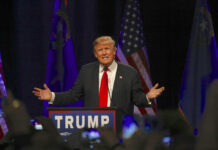
President Trump told reporters he deserved the 2026 prize for ending “eight wars,” getting “all the hostages back,” and averting worse conflicts. He also predicted the committee would not honor him. Coverage summarized his claim this way: he settled eight conflicts, while the committee honored Pillay’s legal work instead. Trump has long argued prizes should reward concrete outcomes that stop bloodshed now. He cast the Norway decision as missing that common-sense standard.
On the facts, the committee did not grade Trump’s claims. It chose a different yardstick entirely. It spotlighted legal systems that punish atrocities and guide nations toward nonviolent resolution. That is a philosophical split, not a footnote. One side says peace is secured by strength and deals that end shooting. The other says peace lasts when killers face justice and rules restrain power. Reasonable people can see merit in both. The prize can only lift one at a time.
The Peace Prize Is Always A Mirror
The Nobel Peace Prize has sparked fights for more than a century. Even the first awards stirred backlash. Later choices triggered resignations and global protests. The prize is political by design, and the committee, while independent, accepts that its picks send messages about what “peace” should mean right now. Past controversies prove the pattern: the committee often favors symbols and ideas it wants the world to notice, knowing many will bristle.
President Trump:
"Based on my record of peace, a record like no one has ever had — I'm just saying how crooked the whole Nobel Prize deal is" https://t.co/pYLnHqRyH9 pic.twitter.com/rfcFNLJN6I
— HOT SPOT (@HotSpotHotSpot) October 10, 2026
This year’s mirror shows a harsh truth. The world is split on how to make peace stick. Many Americans, especially conservatives, value clear wins: fewer wars, fewer rockets, more hostages home. They ask for proof. They want credit tied to results people can feel. The committee chose to preach rule of law and trials for butchers. That choice is noble in aim. It also risks sounding distant from crises that demand action this week, not a court case years from now.
What To Watch Next
Public reaction will likely track old lines. Trump backers will press for measurable gains over elite virtue signals. Legalists will argue that without courts and rules, today’s cease-fire becomes tomorrow’s massacre. The best path probably blends both: end the shooting fast, then lock in justice so violence does not return. The Nobel Peace Prize cannot carry both visions in one year. Voters, lawmakers, and soldiers must do that hard merge in the real world.
Sources:
newrepublic.com, indianexpress.com, nobelprize.org, yahoo.com, independent.co.uk