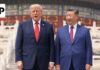


Trump’s latest declaration that Putin will keep seized Ukrainian land exposes the hard choices America faces after years of failed globalist policies and endless foreign entanglements.
Story Snapshot
- Trump signals a dramatic shift in U.S. policy, suggesting Ukraine may need to cede territory to Russia for peace.
- Remarks reflect growing skepticism about prolonged military aid and unchecked defense spending abroad.
- Ongoing conflict in Ukraine remains at a stalemate, with Russia holding significant ground.
- Trump’s stance sparks intense debate over U.S. interests, Western unity, and the precedent set for future aggressors.
Trump’s U-Turn on Ukraine: A New Conservative Foreign Policy?
During a recent Fox News interview aired on October 19, 2025, President Donald Trump made headlines by indicating that Russian President Vladimir Putin is likely to retain control over portions of Ukrainian territory seized since the onset of the 2022 invasion. Trump’s unmistakable remark, “He’s won certain property,” marks a clear departure from both his earlier positions and decades of bipartisan support for Ukraine’s territorial integrity. For many conservatives, this shift reflects a growing frustration with costly international conflicts and a desire to refocus on America’s own security and prosperity.
Trump’s statement arrives as the war in Ukraine drags on—now in its fourth year—with no clear end in sight. Since February 2022, Russia has occupied large swaths of eastern and southern Ukraine, resulting in massive casualties and displacement. Despite billions in U.S. taxpayer aid and advanced weapons sent to Ukraine, the battlefield has largely stalemated. Ukraine’s recent counteroffensives have failed to reclaim major territory, and Western unity has begun to fracture under the strain of prolonged engagement and economic fallout.
Rising Skepticism of Foreign Intervention and U.S. Aid
Trump’s remarks echo the sentiments of many Americans who question the wisdom of endless military involvement overseas while pressing domestic issues remain unresolved. Citing concerns over U.S. weapons stockpiles and the dangers of depleting resources for foreign wars, Trump emphasized, “We can’t give all our weapons to Ukraine. We just can’t do that.” This aligns with a conservative viewpoint that prioritizes national sovereignty, fiscal responsibility, and a strong defense at home rather than open-ended commitments abroad. The administration’s recalibration of aid and strategy reflects these core priorities.
Amid these debates, Congress remains divided over continued funding for Ukraine. Some lawmakers argue that scaling back support undermines U.S. credibility and emboldens adversaries, while others insist that it is time to put American interests first, rein in reckless spending, and demand accountability for taxpayer dollars. For conservative voters, the idea of yielding to “woke” globalist pressures and sacrificing U.S. security for foreign entanglements is a nonstarter. Trump’s willingness to challenge the status quo has reinvigorated calls for a more restrained, America-first foreign policy.
Implications for Global Order, Conservative Values, and the Constitution
Trump’s acknowledgment of a potential peace deal that allows Russia to keep Ukrainian territory raises tough questions about the future of international norms and the principle of territorial integrity. Critics argue that legitimizing land grabs by force sets a dangerous precedent, undermining the post-WWII order and emboldening other authoritarian regimes. Supporters counter that endless wars and open checkbooks weaken America’s standing, sap resources, and threaten constitutional principles by empowering unaccountable bureaucrats and unelected global elites.
For families struggling under the weight of inflation and border insecurity, the administration’s hard stance on military aid and foreign intervention signals a long-overdue course correction. Trump’s critics may decry his approach as isolationist, but for millions of conservatives, it is common sense: defend American interests, protect constitutional rights, and reject any agenda that threatens sovereignty or erodes traditional values. As the debate over Ukraine continues, Trump’s position forces policymakers—and the American people—to confront the hard realities of a changing world.
Expert and Policy Analysis: Precedent, Risks, and the Path Forward
Analysts warn that any peace settlement involving Ukrainian territorial concessions could have ripple effects far beyond Eastern Europe. Some experts caution that such deals rarely bring lasting stability; instead, they embolden aggressors and leave allies uncertain about U.S. commitments. Others argue for a pragmatic approach, asserting that prioritizing American security and fiscal discipline must come before abstract ideals or open-ended foreign missions.
Trump says he expects Putin to keep some Ukrainian land in latest U-turn: ‘I mean, he’s won certain property’ https://t.co/fUmnaTJUMh pic.twitter.com/MuaGrpoQDP
— Lynie (@lynlinking) October 19, 2025
As the administration weighs its next steps, the need for clear-eyed, principled leadership has never been greater. The outcome of the Ukraine conflict will reverberate through U.S. politics, NATO alliances, and the global balance of power. For conservatives, the imperative remains: reject reckless spending, defend the Constitution, and stand firm against foreign and domestic threats to liberty. The Trump administration’s new direction on Ukraine may be controversial, but it reflects a broader shift toward restoring American strength and sovereignty in an unpredictable world.
Sources:
Putin has won property in Ukraine, won’t give it back under peace deal – Trump