
President Trump is betting that ending the Iran war on America’s terms will crush sky‑high oil prices—but hostile media keep casting his peace push as a “risk” instead of a relief for working families.
Story Snapshot
- Trump says the Iran war can end “very quickly” because Tehran “wants a deal so badly,” while critics insist talks are still stalled.
- The president openly links Iran diplomacy to lower oil and gas prices, arguing peace will knock out the war premium at the pump.
- Corporate media highlight threats and volatility, downplaying Trump’s ceasefire moves and Iran’s weakened military.
- Evidence shows oil markets whipsaw on every Iran headline, proving how much Americans’ wallets hinge on the war’s outcome.
Trump’s Promise: End the Iran War Fast and Break the Oil-Price Squeeze
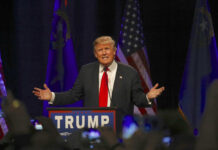
President Donald Trump has told supporters, “We’re going to end that war very quickly. They want to make a deal so badly. They’re tired of this,” drawing a direct line between finishing the Iran conflict and getting relief from brutal energy costs. Social media posts and televised comments show him insisting Tehran is under intense pressure and eager to talk, even as he keeps maximum leverage on the table to block Iran from ever obtaining a nuclear weapon.
Trump’s message fits a broader pattern from recent weeks: warning Iran that “the clock is ticking” and urging its leaders to “move fast” toward a peace agreement that reins in their nuclear ambitions and ends the war.[1] At the same time, he has repeatedly said the United States will not tolerate stalling or bad faith and has emphasized that American forces retain overwhelming strength if Iran miscalculates. That mix of pressure and openness to a deal is central to how he frames a rapid end to the conflict.
Oil Markets React to Every Trump–Iran Signal
Energy markets have responded instantly whenever Trump speaks about Iran, underscoring how closely traders tie this war to what families pay at the pump. When he issued a hard-edged warning that time was running out for Tehran, international oil benchmarks jumped as investors priced in the risk of further escalation and possible supply disruptions through the critical Strait of Hormuz chokepoint.[1][3] The Independent reported Brent crude rising nearly two percent in a single session after one such “clock is ticking” message.[3]
Trump has not been shy about connecting these moves to his strategy. In remarks highlighted by Fox Business, he reminded Americans that the United States is now the largest oil producer in the world and actually “makes a lot of money” when prices rise—yet he insists stopping an “evil empire” in Iran from acquiring nuclear weapons matters more than short‑term profits.[2] In a separate response to concerns over costly fuel, Trump predicted prices “will drop rapidly when the destruction of the Iran nuclear threat is over,” explicitly arguing that a durable peace deal will strip out the war premium baked into every gallon.
Is Iran Really Desperate for a Deal? What the Record Shows
Trump’s claim that “they want to make a deal so badly” reflects his interpretation of Iran’s position, but the public record paints a more mixed picture. BBC reporting describes him bragging that he “ripped up” a recent Iranian offer after reading just one line, confirming that Tehran has put proposals on the table yet also suggesting its terms fell far short of Washington’s requirements.[1] Other coverage notes Iranian media complaining there were “no serious concessions” in recent United States responses, reinforcing that big gaps remain.[1]
Bloomberg-style analyses referenced in the research characterize Iran’s demands as “too maximalist” and United States concessions as insufficient, describing talks as a renewed stalemate rather than a deal on the one‑yard line. That evidence undercuts any claim that a signed agreement is imminent. At the same time, it supports Trump’s argument that negotiations are active and consequential. Every proposal, rejection, or threat immediately moves oil, signaling that markets believe a real settlement—if reached—would dramatically change the outlook for prices and regional stability.[1][3]
Peace, Prices, and the Conservative Case for Tough Diplomacy
For conservatives, the stakes go well beyond numbers on a gas-station marquee. Trump’s approach tries to combine constitutional limits on endless foreign wars with a clear refusal to appease a hostile regime that sponsors terrorism and seeks nuclear capability. His critics in legacy media frame each stern warning as reckless saber‑rattling, but they rarely acknowledge that Iran’s navy and air force have reportedly been heavily degraded in the fighting, leaving Tehran with fewer good options even as it faces economic strain.
Trump warns US may strike Iran in coming days if no deal. Oil prices and global financial markets on alert.
— Vermouth (@vermoutharc) May 20, 2026
Working families feel the squeeze every time oil spikes on a scary headline, and many remember how globalists and “climate” bureaucrats used past crises to push green mandates and higher taxes instead of reliable American energy. Trump’s message—that ending the war quickly, on tough terms, will both neutralize a dangerous enemy and pull the rug out from under inflated oil prices—resonates with voters who are tired of paying for elite indecision. The evidence so far shows one thing clearly: markets are watching him, Iran is listening, and your wallet is directly on the line.[2][3]
Sources:
[1] YouTube – Donald Trump tells Iran ‘clock is ticking’ as oil prices jump …
[2] Web – Trump says as largest oil producer, US benefits when oil prices rise
[3] Web – Trump’s Iran warning sends oil prices soaring and global markets …