
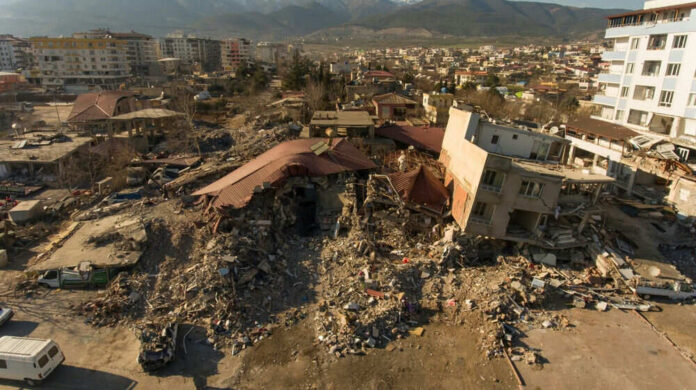
A heartbreaking claim that a Venezuelan father dug for 11 days to save his daughter is colliding with hard facts that tell a very different story.
Story Snapshot
- Verified reports show fathers and children rescued alive up to four days after Venezuela’s twin earthquakes, not 11 days.
- One father did dig for 11 days, but he reached his 12-year-old daughter only after she had died.
- Citizen rescuers in La Guaira worked with bare hands as the socialist regime failed to send enough machines and help.
- Misinformation thrives after disasters, turning real suffering into emotional clickbait that clouds the truth.
What Really Happened Under the Rubble
Reports from Venezuela’s coastal city of La Guaira show many powerful rescue stories after the twin earthquakes, but they do not confirm a father pulling his daughter out alive after 11 days. Verified news from Al Jazeera and Reuters describes a father and his teenage son rescued alive from a collapsed building about four days after the quakes. That rescue came only after French and American teams spent 12 straight hours using search cameras and careful digging through unstable rubble.
Other confirmed rescues include a mother and her nine‑month‑old baby pulled out around the 72‑hour mark, and at least 33 people saved over one weekend in the hardest‑hit coastal state. Specialists quoted in these reports stress that the narrow window to find people alive is usually the first 72 hours after a major quake. After that, search efforts shift from saving the living to recovering the dead, making any claim of an 11‑day live rescue extremely unlikely.
The 11‑Day Father Story: Tragedy, Not “Miracle Rescue”
One story does involve a father digging for 11 long days, but it ends in tragedy, not a miracle. An American news report says that after nearly two weeks of searching the ruins on his own, this man finally reached the last missing member of his family, his 12‑year‑old daughter. She was already dead. Her body was described as decomposed but intact, a grim picture of how long she had been trapped. This is likely the real source of the “11‑day” tale, twisted by social media into a false happy ending.
That same report explains that as official rescue efforts slowed, many Venezuelans were left alone to dig for relatives and recover bodies. Families used their bare hands, basic tools, and sheer willpower because heavy equipment never arrived in time. This is where the father’s 11‑day search fits: a desperate parent abandoned by his own government, not a man who pulled his daughter out alive after almost two weeks under concrete.
Citizen Rescuers and a Failed Socialist Response
Coverage of La Guaira shows that neighbors and relatives were often the first and only rescuers. One woman told reporters that she and her friends had to dig through rubble themselves because authorities failed to respond or bring machinery. International crews from the French Civil Security and the Fairfax County Urban Search and Rescue Team from Virginia worked alongside these citizens and managed dramatic saves, including the father‑son rescue and the mother‑baby rescue.
Despite this help, tens of thousands remained missing, and morgues in Caracas were overwhelmed by the flow of bodies. The Venezuelan state, shaped by years of socialist mismanagement, did not have the gear, planning, or transparency needed for a crisis of this scale. That poor response leaves gaps in official records and makes it easier for dramatic but false stories to spread, especially when people are desperate for hope and angry at their leaders.
How Disaster Misinformation Exploits Real Pain
Researchers who study disasters have found that false stories move faster than the truth on platforms like Twitter, Facebook, and WhatsApp. Ordinary users, online influencers, and even automated bots share emotional claims that are hard to check, especially in the chaos after earthquakes or storms. When people see conflicting reports, their trust in official sources drops, and fear and stress grow. In Venezuela’s case, that chaos included fake tsunami rumors and politicized speeches while families still waited for help.
For conservative readers, there is a clear lesson here. Real heroes in Venezuela were fathers, mothers, and neighbors, not bureaucrats in a bloated socialist system. American rescue teams on the ground showed what trained, accountable crews can do when government focuses on core duties instead of propaganda. But we also see how unverified “miracle” tales, like a father digging for 11 days and saving his daughter alive, can distract from both the true bravery and the true failures that deserve our attention.
Sources:
youtube.com, washingtonexaminer.com, instagram.com, facebook.com, pmc.ncbi.nlm.nih.gov