
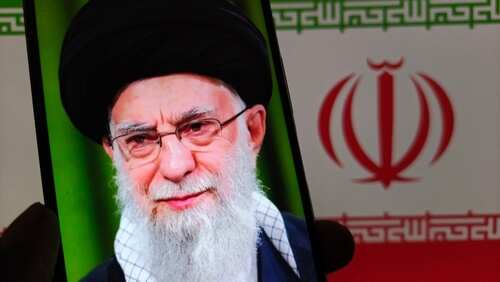
Trump’s direct warning to Iran’s Supreme Leader has reignited tensions, drawing a clear line on American support for Iranian protesters.
Story Highlights
- President Trump warns Iran against violent crackdowns on protesters.
- Trump’s statement ties U.S. military action to human rights violations in Iran.
- Protests in Iran are the largest since 2009, challenging regime stability.
- Critics fear Trump’s rhetoric may escalate tensions further.
Trump’s Bold Warning to Iran
Amid a wave of mass protests across Iran, President Donald Trump issued a stern warning to Iran’s Supreme Leader Ayatollah Ali Khamenei. Trump indicated that the United States would “start shooting” if Iranian forces violently suppressed the demonstrators. This direct warning highlighted a significant shift in U.S. policy, explicitly tying military retaliation to human rights violations within Iran. The protests, which are the most significant challenge to the regime since 2009, have seen demonstrators taking to the streets to voice their discontent over economic hardships and political repression.
Trump supporters view his stance as a bold defense of human rights, reinforcing the U.S.’s position as a protector of Iranian protesters. However, critics warn that such rhetoric could further inflame tensions, potentially putting the protesters in greater danger by associating them with U.S. policy. The protests in Iran have been marked by significant confrontations with security forces, who have used tear gas and live ammunition in some instances, leading to allegations of massacres by anti-government activists.
Historical Context of U.S.-Iran Tensions
Iran’s political system, a theocratic-republican hybrid, places ultimate authority with the Supreme Leader, currently Ayatollah Khamenei. The country has a history of significant protest waves, notably the 2009 Green Movement and the 2019 fuel-price protests, both met with lethal force. Under Trump’s administration, U.S.-Iran relations further deteriorated following the withdrawal from the JCPOA nuclear deal in 2018 and the subsequent “maximum pressure” sanctions campaign. These actions severely impacted Iran’s economy, contributing to the current wave of public discontent.
The economic crisis in Iran, driven by U.S. sanctions and domestic mismanagement, has fueled inflation, unemployment, and currency collapse, eroding living standards. This economic strain, combined with political repression, has catalyzed the current protests. The Iranian regime’s response to these demonstrations has been characterized by internet shutdowns and the use of live ammunition, tactics that have drawn international criticism and raised fears of a repeat of past crackdowns.
Implications and Reactions
The ongoing protests in Iran and Trump’s warning have significant implications for both domestic and international politics. Within Iran, there is a heightened risk of lethal crackdowns, arrests, and long sentences for protest participants. The Iranian leadership has historically portrayed U.S. support for protesters as foreign interference, framing demonstrators as “foreign agents.” This narrative may be used to justify further repression while maintaining regime control.
In the United States, Trump’s strong stance may bolster his support among conservative voters who view Iran as a strategic adversary. However, the escalation of rhetorical confrontation with Iran risks narrowing the space for diplomatic engagement and increases the potential for miscalculation. Meanwhile, regional actors such as Israel and Saudi Arabia closely monitor the situation, as heightened tensions could impact regional stability and global energy markets.