
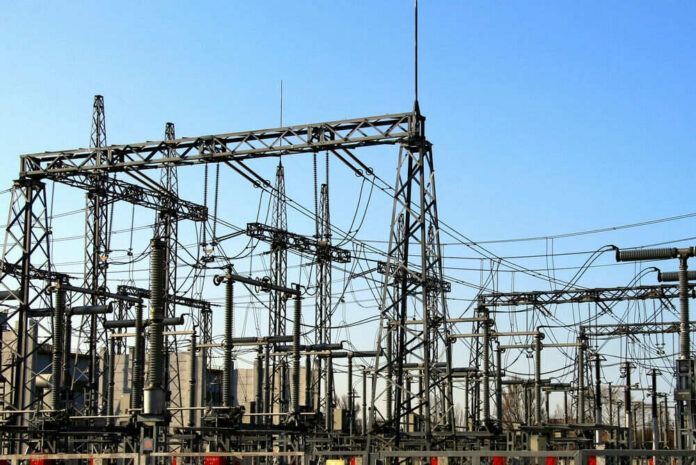
A 17-minute grid failure has been used to warn that modern life is far more fragile than most Americans want to admit.
Quick Take
- The U.S. electric grid faces real risks from cyberattacks, physical attacks, and extreme weather.
- The Department of Energy reported at least 175 physical attacks or threats against grid infrastructure in 2023.
- The claim of a specific 17-minute collapse is not backed by primary-source evidence in the research package.
- Officials and analysts continue to warn that a coordinated attack could damage the grid and the services it supports.
Grid threats are real, even if the 17-minute claim is not proven
The U.S. electric grid does face serious threats from criminals, hostile governments, extremists, and harsh weather. The Government Accountability Office says the grid is an attractive target for cyberattacks from foreign adversaries such as China and Russia, as well as insiders and criminals. The Kansas Legislative Research Department also said the Department of Energy reported at least 175 physical attacks or threats against critical grid infrastructure in 2023.
Those warnings matter because the grid supports nearly every part of modern life. The Department of Energy says reliability problems can ripple through the economy and daily routines, and the American Security Project has pointed to extreme weather, cybersecurity, and wildlife as major threats. The Senate Republican Policy Committee has also warned that criminals, terrorists, hacktivists, and foreign governments could cause large and lasting blackouts.
Why the 17-minute timeline draws attention
The specific 17-minute claim stands on weaker ground than the broader grid-security warnings. The research package does not contain primary-source proof of a real collapse that lasted 17 minutes and exposed civilization-wide failure. It also does not include official outage logs, incident reports, or witness testimony that confirm the exact timeline or the claimed chain reaction.
That gap matters. The evidence shows risk, not a documented 17-minute event. The U.S. power system has known weak points, but the research does not support treating a short, exact window as a proven tipping point for civilization itself. The smarter reading is simpler: the grid is vulnerable, and the public deserves plain facts instead of dramatic guesses.
What the record does show about vulnerability
The record does show repeated concern across government and security groups. The American Security Project says the grid is exposed to extreme weather, cyberattacks, and wildlife. The U.S. Government Accountability Office says distribution systems have grown more vulnerable because of remote access and ties to business networks. The Kansas Legislative Research Department reports that points of susceptibility continue to rise as the grid expands and adopts new technology.
CUBA’S POWER GRID COLLAPSE: SECOND NATIONWIDE BLACKOUT IN A WEEK
Cuba's national electrical grid experienced a complete failure on Friday, marking the second total collapse in a single week and the fourth such incident this year. https://t.co/Y3Uu0KTzAH pic.twitter.com/VjbElSKTXQ
— Inside the conflict (@InsidConflict) July 11, 2026
That is why grid security remains a serious public issue, not a niche debate. A modern grid must stay online for hospitals, communications, fuel systems, banking, and public safety. When officials say a coordinated attack could be devastating, they are not talking about a movie plot. They are describing a real national weakness that affects families, workers, and emergency crews.
Why conservatives should care about the policy fight
For readers who value limited government, energy independence, and a strong nation, the lesson is plain. Washington cannot afford weak infrastructure, sloppy oversight, or endless spin. The research package shows enough danger to justify hardening the grid, improving physical security, and reducing cyber exposure. It does not prove a 17-minute civilization collapse, but it does show that the risk environment is serious and growing.
The biggest mistake would be to dismiss the threat because one dramatic timeline is unproven. The second mistake would be to turn every warning into panic. The facts sit in the middle. The grid has real vulnerabilities, and those vulnerabilities can hurt ordinary Americans fast. The job now is to secure the system before a hostile actor, storm, or simple failure turns a weakness into a crisis.
Sources:
zerohedge.com, secureenergy.org, klrd.gov, generatorsource.com, facebook.com