

Disney’s third round of 2026 layoffs hits ESPN, Pixar, and more, raising fresh questions about corporate priorities and cultural drift.
Story Snapshot
- Disney says the cuts are to “streamline” and “optimize” operations.
- Reports describe up to 1,000 jobs targeted, with marketing a key focus.
- Layoffs span ESPN, film studios, and corporate functions, signaling broad reorganization.
- Public details lack clear metrics on savings or efficiency gains to date.
What Disney Cut, Where, and When
Newsrooms reported Disney’s latest wave as the company’s third round of 2026 job cuts. The Associated Press said reductions reached ESPN, movie studios, product and technology, and corporate roles. The move follows April notices about up to 1,000 job eliminations under new leadership. The Los Angeles Times and Reuters outlined planning that began before the chief executive change, with many roles in marketing targeted. The company framed the actions as a streamlining push, not a collapse.
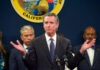
Disney confirmed the direction but kept language broad. A spokesperson cited an ongoing review of how the company manages resources as the industry shifts. The new chief executive’s email to staff said the goal was to optimize operations. Those messages used careful terms and avoided hard numbers or unit-by-unit scorecards. That corporate tone is common in entertainment, where firms juggle high costs and fast-changing viewer habits across theaters, cable, and streaming.
Why Management Says It’s Happening
Executives described a “culture of efficiency” and said all options were on the table as they refocus the business. Coverage in May tied that theme to possible future steps, suggesting the April reductions might not be the final wave. The pattern also tracks with Disney’s 2023 plan to cut billions in expenses and shrink headcount by thousands, a long arc that makes 2026 cuts look like a continuation, not a shock move. The company’s messaging stays aligned with that broader plan.
Reuters and the Wall Street Journal reporting indicated the downsizing plans were in motion before the leadership transition. That timeline suggests a preexisting restructuring process rather than a snap reaction. Outlets repeated that marketing would shoulder a big share of the reductions. This mix of advanced planning and cross-division cuts fits a reorganization story, but it does not prove results. Public documents still do not show which duplicated tasks disappeared or what savings targets were met.
The Holes in the Public Case
Disney’s rationale relies on common phrases like “optimize operations” and “evaluate resources.” Those lines state intent but skip numbers that an investor or worker would want, like dollars saved, timelines, and success checks. Reports also describe recurring layoffs through 2026, which undercuts any claim that the new structure is already settled. Some of the most watched units, including Pixar and National Geographic, lost staff without a disclosed map of how roles shift under the new design.
Disney has officially announced layoffs affecting hundreds of employees across the company.
Toy Story 5 is killing it at the box office, so why is Pixar cutting staff? Disney announced layoffs affecting several hundred employees across the company on Tuesday, July 21, 2026, and… pic.twitter.com/W3l6LHUyIR
— nathanistic (@nathanistic) July 27, 2026
The company’s severance approach signals a formal process, not improvisation. Business Insider reported payouts would follow the employee handbook, tied to level and tenure. That shows planning on the people side, even as the strategy side stays opaque in public. For families hit by inflation and high costs, these moves show how elites protect margins while communities take the punch. Clarity on outcomes, not slogans, would help restore trust and guide consumers’ choices.
What It Means for Viewers and Values
Repeated cuts can thin out the talent that makes stories worth watching. Viewers have seen weaker content and louder politics crowd out family focus. When big brands chase trends and centralize power, creative teams pay the price. That cycle hurts quality and choice. Conservative readers want strong families, honest work, and fair play. Transparent goals, lean bureaucracy, and respect for workers would serve those values better than buzzwords and rolling pink slips.
What to Watch Next
Watch for the next earnings call to see if management lists hard savings and faster output. Look for unit results at ESPN and film to test whether service improves after staff cuts. Track whether Disney trims executive layers rather than front-line creators and editors. Follow whether marketing consolidation produces leaner campaigns with better returns. If leadership provides numbers and timelines, the streamlining story holds. If not, it looks like cost pressure dressed up as strategy.
Sources:
thegatewaypundit.com, cnbc.com, deadline.com, nypost.com, republicworld.com, straitstimes.com, youtube.com, latimes.com, aftermath.site, wsj.com