
A toddler’s snakebite under a simple Amazon package is exposing how little protection families really have from hidden dangers in their own front yards.
Story Snapshot
- Three-year-old Addy was reportedly bitten by a Southern Pacific rattlesnake hiding under an Amazon envelope in Santa Clarita.
- The only public account so far comes from her father, with no official reports or medical records released yet.
- Experts say Southern Pacific rattlesnakes are the main venomous threat in the Santa Clarita and Los Angeles area.
- Snake safety guidance puts the burden on families to stay alert and clear clutter, even as deliveries pile up outdoors.
A Father’s Warning After a Hidden Snake Strikes His Toddler
According to a report in the New York Post, three-year-old Addy ran outside to grab what she thought was a gift from an Amazon package in Santa Clarita when a Southern Pacific rattlesnake struck her on her left side. Her father, Manuel Barajas, said the snake was concealed under a brown padded envelope, turning a routine delivery into a medical emergency. No police report, hospital record, or wildlife agency confirmation has been made public yet, so the story rests entirely on the father’s account.
The report fits a growing pattern of rare but alarming “snake-with-package” stories in the West. In one recent California case, a man received a live rattlesnake inside a mailed box at a Mojave Desert post office, identified as a Western rattlesnake closely related to the Southern Pacific species. These events remain extreme outliers, but they show how venomous snakes can use human clutter and cover as hiding spots, including around mail and deliveries that families treat as harmless.
How Common And How Dangerous Are Southern Pacific Rattlesnakes?
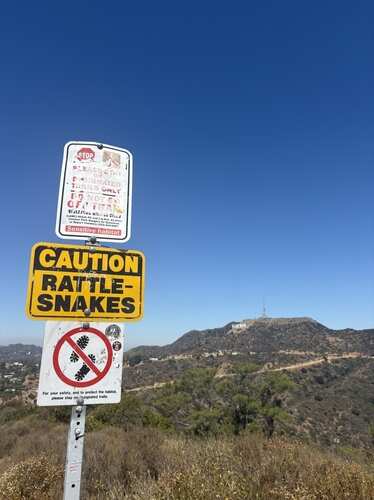
The Southern Pacific rattlesnake is the primary venomous snake found from Los Angeles County through Santa Clarita and much of coastal Southern California. Wildlife and safety guides say rattlesnake bites are uncommon but still serious, with most bites happening when a snake is stepped on, grabbed, or accidentally touched while hidden in brush, rock piles, or other cover. Experts stress that rattlesnakes do not “hunt” people but defend themselves when they feel threatened, which can include sudden movement near their hiding spot like a child reaching for a package.
California’s rattlesnake safety guidance stresses quick medical care and calm action over panic or home remedies. Officials instruct families to stay calm, remove tight items near the bite, and get the victim to a hospital or call 911 immediately, warning against tourniquets, ice, cutting the wound, or trying to suck out venom. Medical sources emphasize that the first several hours after a rattlesnake bite are crucial for preventing life-threatening symptoms and limiting long-term tissue damage. That advice puts responsibility on parents to act fast and on local hospitals to be ready with antivenom and clear protocols.
Why Delivery Clutter And Outdoor Packages Raise The Risk
Local herpetology and safety experts repeatedly warn that clutter, piles, and shaded hiding spots increase rattlesnake encounters around homes. Rattlesnakes are ambush predators that like to “hunker down” where they are hidden but close to paths used by prey and people. Snake safety guides list long grass, rock piles, wood piles, rubbish, and loose debris as prime hiding places and urge homeowners to keep areas clear, close garages and dog doors, and avoid leaving items that provide cover for wildlife.
As online shopping expands, more packages sit for hours or days outside doors, gates, and yards, often near bushes, steps, or clutter. Experts in Santa Clarita already advise keeping children away from brushy areas and avoiding sandals or bare feet in snake country, stressing that “time is tissue” if a bite occurs. The reported bite under an Amazon envelope shows how a simple padded mailer can become one more hiding spot when dropped on the ground, especially in warm months when rattlesnakes are active across the Los Angeles region.
Gaps In Verification And What Families Still Don’t Know
So far, no sheriff’s office, hospital, or wildlife agency has publicly confirmed Addy’s bite, the snake’s species, or what happened to the animal afterward. There is no released medical record showing rattlesnake venom tests or antivenom use, and no official wildlife report documenting a captured Southern Pacific rattlesnake at the scene. Amazon has not issued a statement about the delivery, driver logs, or any internal review of the incident, leaving families with only a single secondhand media account to judge the risk.
This lack of clear information leaves parents in a tough spot. On one hand, rare snake-with-package cases and local safety data show that rattlesnakes are present in Santa Clarita and can hide in human-made cover. On the other hand, responsible planning needs solid facts: where exactly the bite happened, how fast medical care was given, how the snake was handled, and whether any changes to delivery practices are needed. Without transparent local reporting, families must rely on general safety rules, stay alert around outdoor packages, and demand real answers from both officials and big corporations when a child’s safety is at stake.
Sources:
nypost.com, theguardian.com, cbsnews.com, kiro7.com, tcpalm.com, weartv.com, youtube.com, thesnakeschool.com, hometownstation.com, wildlife.ca.gov