
A Florida bedroom camera sparked a felony case and a marriage meltdown in one click.
Story Snapshot
- Deputies arrested Malia Elizabeth Nummerdor after her husband turned over a bedroom video.
- She faces a felony count for sexual activity involving an animal under Florida law.
- She denied sexual conduct but gave conflicting explanations to investigators, according to the sheriff.
- The case will likely hinge on what the video shows and how the evidence was handled.
Deputies Say A Home Camera Video Drove The Arrest
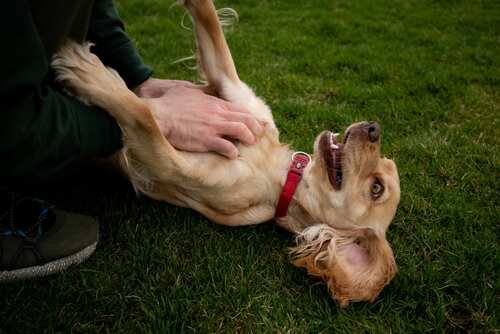
Manatee County deputies arrested Malia Elizabeth Nummerdor, 38, after her estranged husband, Erik, brought a home surveillance clip to authorities. He told investigators the video showed Malia in a sex act with their dog, Ranger. People magazine reported the sheriff’s office affidavit says Malia viewed the clip and confirmed she was the person in the room and that the dog was hers. Prosecutors charged her with sexual activity involving an animal, a felony in Florida.
The sheriff’s office statement, as reported by People, says Malia denied sexual activity occurred but could not give a consistent account of what the camera recorded. Erik told deputies Malia also claimed the images did not show a dog. He maintained the clip clearly depicted Malia and Ranger. The affidavit summary also notes Malia alleged Erik installed cameras without her knowledge and posted content to her accounts, and that he had threatened her with the videos.
What The Defense May Fight: The Video And Its Paper Trail
Criminal cases built on home video often rise or fall on foundation and chain of custody. Courts ask three core questions: did the system work when it recorded, does the clip fairly show what it claims to show, and who handled the file from capture to court. A leading evidence guide sets out that triad for authenticating surveillance video, which is the baseline the state must meet at trial. Expect lawyers to press each link in that chain.
Defense teams challenge gaps that invite doubt. Missing logs of who accessed the recorder, cloud transfers without hashes, and re-encoded copies can weaken proof. Evidence managers stress documenting every handoff, pulling original files with system metadata, and preserving the device when possible. Police training resources warn that any break in this process can give a jury reason to question what they are seeing and how it got there. Jurors do not need a seminar; they need a clean trail.
Florida’s Law And The Stakes If The Tape Holds Up
Florida criminalized sexual acts with animals to draw a bright moral and legal line. The statute treats sexual contact with an animal as a serious offense, not a private kink. Communities expect the law to protect the vulnerable and punish abuse. If a jury sees clear, authentic video and hears admissions that align with it, a conviction becomes likely. If the defense shows unclear images and a sloppy chain, the state’s case can wobble. That is how evidence rules work in America.
Common sense values say two things can be true. First, if someone commits a vile act with a pet, they should face real consequences. Second, the state must prove guilt with solid, lawfully handled evidence. That balance honors both decency and due process. Prosecutors will argue the clip and statements clear the threshold. The defense will test the camera, the timing, the file path, and the context. The judge will guard the rules. The jury will decide.
Sources:
mediaite.com, nbc-2.com, ground.news, cbsnews.com