
At a Sioux City Trump rally, an Iowa farmer said every farmer he knows backs President Trump and his policies, even with high diesel and fertilizer costs.
Story Highlights
- An Iowa farmer at a Sioux City rally said farmers he knows back Trump and his policies.
- The farmer cited border security and national safety as key reasons for support.
- Many Iowa farmers report tough costs yet still back Trump, according to recent reporting.
- Vice President JD Vance argued trade and tax policies help farmers at an Iowa event.
Farmer’s On-Camera Claim at Sioux City Rally
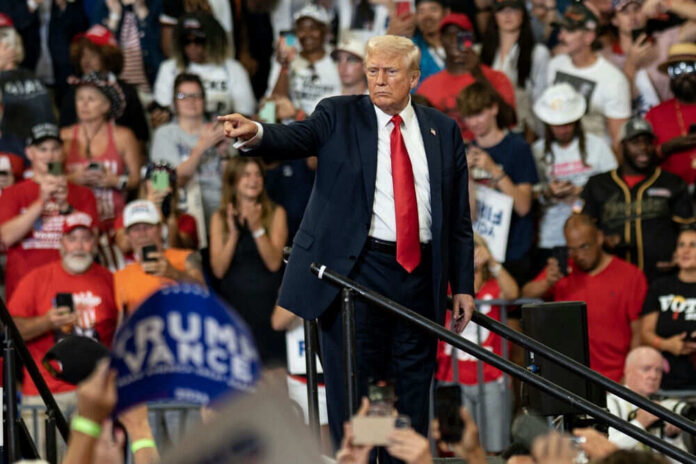
Outside President Trump’s rally in Sioux City on October 23, a man who said he grew up in a farm family told a reporter that “every farmer I know supports Trump and supports his policies.” He said this holds true even with high diesel and fertilizer prices. He called the concern a “small blip” and pointed to border security and national safety as priorities that matter most to him and his peers.
The exchange came as the reporter asked about a close Senate race and the squeeze from fuel and input costs. The farmer said voters have short memories and argued that Trump’s record on the border and national safety deserved more attention. His remarks echoed common worries in rural Iowa about rising costs, but tied support to security and stability. The clip circulated in conservative media as more signs of strength with farm-country voters.
Support Endures Despite Higher Costs
Reports this year show many Iowa farmers are facing higher diesel and fertilizer costs, along with market uncertainty. Yet several farmers still back Trump. A May report described producers who remain with the president, even as they manage tighter margins and unpredictable prices. That reporting highlighted that partisan loyalty and policy views can outweigh short-term price pain for some producers weighing the long game for their farms and families.
Focus on trade and taxes has also shaped the debate on the ground. In September, Vice President JD Vance told Iowa Republicans that the administration’s trade and tax policies benefit farmers. He argued that correcting bad trade deals and supporting domestic production would help over time. The report also noted ongoing concern about tariffs among farmers, signaling a live policy debate that many producers track closely as they plan next season.
Why The Quote Resonates With Rural Voters
The farmer’s message blends two themes that land with Iowa conservatives: secure borders and safer communities. Many rural voters see border chaos as a direct threat to rule of law, drug trafficking, and the safety of their towns. They also link national security to energy policy, supply chains, and stable markets. That mix helps explain why support can hold even when costs bite. Voters often rank safety, sovereignty, and culture ahead of short-term price swings.
The statement also reflects a common rural view on resilience. Farmers plan across seasons, not news cycles. They work through price spikes, weather shocks, and market dips. Many judge leaders by whether they fight for American producers, enforce the law, and keep the nation strong. That lens helps explain why a farmer might call higher diesel a “blip,” while still pressing Washington to lower energy costs and remove barriers to sell crops around the world.
What To Watch In Iowa’s Farm Belt
Campaign stops in Iowa will keep spotlighting farm policy, fuel prices, and trade. Expect more pitches on cutting red tape, expanding market access, and rebuilding energy independence to lower diesel costs. Rural voters will weigh those plans against daily realities: harvest expenses, equipment upkeep, and interest payments. If farm families believe border security and strong trade leverage are returning, that could stiffen support and shape close down-ballot races in the state.
One interview does not measure the whole farm vote. But the message matters because it captures a real pattern: many farmers remain with Trump, even in a tough cost environment. They want safe communities, fair markets, and energy policy that lowers prices without caving to global pressure. As Iowa moves deeper into campaign season, those core issues—security, sovereignty, and the cost to run a farm—will likely decide how rural voters turn out and who wins the state’s key races.
Sources:
thegatewaypundit.com, nbcnews.com