
Jay Clayton has been confirmed as director of national intelligence, but the fight over his nomination exposed a deep trust gap inside Washington.
Quick Take
- The Senate confirmed Jay Clayton by a 51-47 vote after a tense and delayed process.
- Clayton brought a record that included service as U.S. attorney for the Southern District of New York and Securities and Exchange Commission chairman.
- Some Democrats praised him early, but many turned sharply against him after his hearing on the 2020 election.
- The biggest flashpoints were his refusal to say Joe Biden won in 2020 and his handling of New York Times subpoenas.
Senate Confirms a Controversial Pick
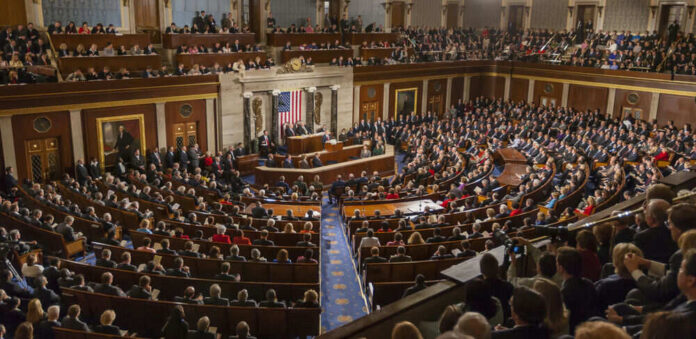
The Senate on Tuesday confirmed Jay Clayton as director of national intelligence in a 51-47 vote. Republicans backed the nomination, while most Democrats opposed it after a hearing that turned into a test of candor, independence, and loyalty. Clayton will now lead the nation’s intelligence agencies at a time when trust in those agencies remains low and partisan suspicion runs high.
Clayton entered the job with real government experience. He had served as U.S. attorney for the Southern District of New York and as chairman of the Securities and Exchange Commission. The White House said he brought strong bipartisan praise and the kind of leadership needed to strengthen the intelligence community. Supporters also pointed to his work on terrorism, cartels, and financial crime as proof that he had handled serious public duties before.
The Hearing That Changed the Mood
The tone shifted during Clayton’s Senate Intelligence Committee hearing. Reporting from multiple outlets said he would not plainly say that Joe Biden won the 2020 election. Instead, he said Biden was certified, which critics treated as an evasive answer. That moment became the main public test of his judgment, even though supporters argued that his legal background and senior posts showed he could manage a major national security office.
Clayton also faced questions about subpoenas issued to New York Times journalists over reporting on security concerns tied to President Trump’s Qatari-gifted Air Force One plane. He declined to go into detail, citing national security. For many conservatives, that kind of fight matters because it raises the same old problem: whether powerful institutions protect the public or shield themselves from scrutiny. For critics, it raised fresh questions about press freedom and oversight.
Why the Fight Matters Beyond One Nomination
The confirmation fight followed a delayed and messy process that fed the impression of a political rush rather than a calm merit review. The Senate Intelligence Committee advanced Clayton on a narrow 9-8 vote, and reporting said some Democrats had praised him before the hearing turned against him. That split shows how much modern confirmation battles have become about trust, not just credentials, especially in national security posts.
The Senate has confirmed Jay Clayton to replace Tulsi Gabbard as Director of National Intelligence in a 51-47 party-line vote. pic.twitter.com/FSnDFyRAWc
— Tin Tức 24h (@duchoang73) July 29, 2026
Clayton’s supporters now have a confirmed intelligence chief with a legal background and a clear command of the bureaucracy. His critics have a record of hesitation on a basic election question and a dispute over press subpoenas. Both facts will shape how he is judged in office. For readers frustrated by double standards in Washington, the larger lesson is plain: the intelligence world still runs on confidence, and this nomination showed how fragile that confidence has become.
Sources:
abcnews.com, nypost.com, pbs.org, politico.com, nytimes.com, cnn.com, youtube.com, cbsnews.com, facebook.com