
Xi Jinping just stepped into Cairo for his first state visit to Egypt in a decade, and the runway points straight to power, ports, and a new Middle East map.
Story Snapshot
- Xi arrived in Cairo for a formal state visit at President Abdel Fattah El-Sisi’s invitation.
- The trip marks 70 years of China–Egypt ties and a return after a 10-year gap.
- Talks center on investment, logistics, and stability without security entanglements.
- Egypt seeks capital and partners; China seeks routes, markets, and diplomatic reach.
What Happened: A High-Signal Landing With Clear Aims
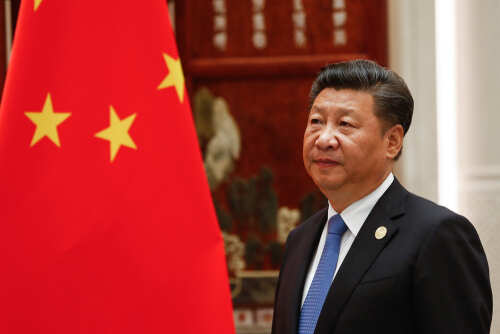
Chinese President Xi Jinping arrived in Cairo for a state visit at the invitation of President Abdel Fattah El-Sisi. Xi previewed the trip in a signed article carried by Egyptian newspapers, underscoring the visit’s ceremonial and political weight. Reuters reported his landing as the first trip to Egypt in 10 years, framing the stop as part of a wider push amid a tense regional picture. The choreography signals intent: reset momentum, mark 70 years of ties, and lock in next-phase projects.
This visit follows a well-worn China–Middle East playbook. Leaders meet, flags wave, and joint statements promise investment and respect for sovereignty. The hard bargaining stays private. China advances access to markets and corridors while avoiding open-ended security costs. Egypt courts capital and technology, diversifies partners, and projects strategic autonomy. This formula has deepened ties since their comprehensive partnership took shape, and it keeps paying out when top leaders show up.
Why Egypt, Why Now: Corridors, Canals, and Crisis Insurance
Egypt sits on chokepoints that matter to every supply chain planner in Beijing and beyond. The Suez Canal and the ports that feed it are shock absorbers for global trade. When turmoil hits shipping lanes, alternative routes and reliable partners jump in value. China sees Egypt as a hinge state for its Belt and Road corridors into Africa, the Mediterranean, and Europe. Egypt sees China as a deep-pocket partner to scale industry zones and logistics hubs while its economy faces strain.
The anniversary timing adds a layer of pageantry and memory. Xi’s team leans on history to frame modern deals. Cairo also values the message to other capitals: Egypt has options. For American conservative readers, this is common sense geopolitics. Nations hedge, balance, and bargain to secure their futures. No one should be shocked that China moves fast to turn ceremony into contracts, or that Egypt welcomes investors who arrive with cranes, not lectures.
What Likely Gets Signed: Practical Deals, Careful Phrasing
Expect language about aligning Egypt’s Vision 2030 with Chinese financing and manufacturing capacity. Industrial parks near the canal, power and transit upgrades, and digital infrastructure often anchor these communiqués. Officials will highlight jobs, training, and tech transfer. Security language, if present, will stress stability and non-interference. That phrasing matches years of joint statements and summit outcomes between the two sides, including recent high-level meetings in Beijing.
The strongest public hooks will be numbers tied to trade, investment pledges, and project milestones. The finer points will sit in annexes and follow-on visits. The pattern is consistent: showcase partnership today, operationalize tomorrow, and expand quietly through agencies and state-owned firms. That route keeps politics smooth while cranes keep moving. It is not flashy, but it builds leverage that lasts longer than a headline.
The Stakes: Shipping Lines, Energy Flows, And A Quiet Power Contest
Shipping delays and supply shocks punish households and small firms first. More reliable routes and ports help keep prices steady and shelves stocked. That is where Egypt matters. If China helps modernize key links, the payoff reaches anyone who buys goods that pass through the canal. At the same time, Beijing gains influence at a gate between continents. Washington has long understood this leverage. So has every maritime power since steam met steel.
China is moving deeper into the Middle East
Xi Jinping is in Egypt on his first visit there in a decade, amid the continuing Iran crisis.
The timing is important.
While Washington is projecting military power across the region, Beijing is expanding its economic and diplomatic…
— Samarth (@Samarth02_) September 3, 2026
Claims that China only does symbolism fall short when ports, power plants, and industrial zones appear on satellite photos. The better test is delivery speed and contract quality. If projects are transparent, on time, and within budget, Egyptians will feel the gains and keep the door open. If not, they will rebalance. That is healthy competition. American policy should welcome fair play that expands real capacity, while pushing for clear terms that do not trap partners in bad debt.
Sources:
youtube.com, english.www.gov.cn, fmprc.gov.cn, reuters.com