

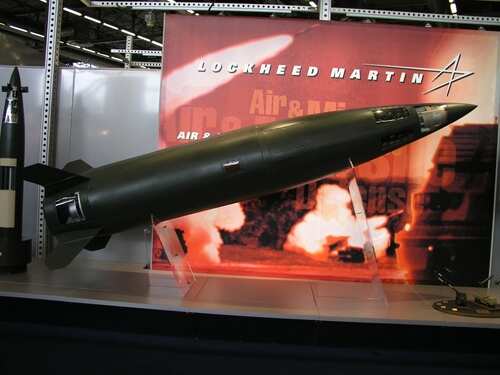
The U.S. Navy pulled the cover off a missile built to kill at distances that reset the rules of air combat.
Story Snapshot
- The Navy revealed the AIM-424 “Malice,” a next-generation long-range air-to-air weapon.
- Malice is designed to strengthen fleet defense and keep air superiority against advanced threats.
- The service disclosed the program at the Tailhook Symposium and said flight testing is underway.
- Analysts tie the move to China’s growing long-range missile ecosystem and regional pressure.
What The Navy Announced And Why It Matters
The Department of the Navy confirmed it is developing the Air Intercept Missile-424 Long Range Air to Air Missile, officially named Malice. The Navy’s fact file frames the weapon as a tool to protect carrier groups and keep a decisive edge in the air. That is the core mission: stop threats before they can launch, and do it far from the fleet. The statement pairs cleanly with the service’s push for integrated deterrence and air domain overmatch.
The disclosure happened at the Tailhook Symposium in Reno on August 22, 2026, a gathering that often features naval aviation milestones. Aviation Week reported Malice is in flight testing and will exceed the reach of current missiles like the AIM-120 and likely the AIM-174B. That claim signals a step-change in range and engagement flexibility from carrier-based fighters such as the F/A-18 and the F-35C.
Range, Reach, And The Kill Chain Advantage
Specialist outlets describe Malice as a weapon with more than 250 nautical miles of reach, which fits the Navy’s emphasis on long-range fleet defense. The tactical idea is simple. Kill the archer before the arrow flies. That means targeting aircraft that guide anti-ship missiles, and the tankers and early warning planes that hold an enemy air picture together. Out-ranging rival missiles stretches the enemy’s kill chain until it snaps.
Longer reach only matters if sensors, networks, and guidance can support the shot. Aviation Week’s reporting noted the Navy’s focus on an integrated approach. Fighters, ships, and airborne sensors must find, fix, and track a distant target while the missile manages energy to close the last miles. That system-of-systems view turns range into real combat power and fits a carrier air wing’s need to defend large sea space.
How Malice Fits The China Problem
China fields a mix of long-range air-to-air missiles and platforms aimed at pushing U.S. forces back. Regional media and defense analysis have spotlighted Chinese weapons like the PL-17 and evolving beyond-visual-range designs as part of a larger plan to hold tankers, early warning aircraft, and fighters at risk. The Navy’s reveal threads into that contest. Add distance to every U.S. shot, and China’s playbook becomes harder and riskier to run.
The aim is not just dueling numbers on a chart. The goal is to force China’s pilots to fly with less support, fewer tankers close in, and warning aircraft pushed far back. That degrades their radar picture and cuts the time they have to react. American conservative common sense favors this trade. Better to keep fights far away from the carrier deck than to gamble on close-in defenses that give adversaries too many shots.
What We Know, What Stays Quiet, And What Comes Next
The Navy’s public material gives the mission and the name, not the fine print. That is normal for a program that depends on surprise and protected technology. Aviation Week’s account of active flight testing gives the clearest sign of progress and intent. The service is moving beyond paper studies toward integration with frontline jets and the networks they rely on in the Indo-Pacific and beyond.
🚨 IS AIM-424 MALICE THE U.S. ANSWER TO CHINA?
A reported new U.S. Navy air-to-air missile is drawing attention amid China’s growing airpower. If deployed, could Malice reshape the long-range air combat balance? 🇺🇸🇨🇳✈️ pic.twitter.com/yvLxksPoXV
— Warwatch (@warwatchh) September 9, 2026
Budget moves across the force point the same way. Washington has pressed for more munitions capacity and longer-range options to meet pacing threats. Missiles that reach farther with smarter seekers reduce the number of jets needed on each sortie and expand the defended footprint around a carrier group. That is value for taxpayers and warfighters. The exact deployment date remains undisclosed, but the direction is set: more reach, more shots, more control of the sky.
Sources:
firstpost.com, en.wikipedia.org, israelhayom.com