

California’s driver licensing system just turned a routine written test into a fraud probe that could still reshape thousands of records.
Story Snapshot
- The California Department of Motor Vehicles said it found irregularities in certain driver knowledge test results that may point to cheating.
- About 11,000 people were told to retake the test within 30 days or lose their licenses.
- The agency said the notices came from internal review, not a random sweep, and some cases have been referred for prosecution.
- The DMV has not publicly explained the exact patterns it used to flag the tests.
What the DMV Says It Found
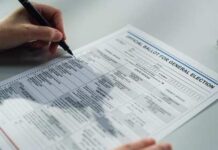
The California Department of Motor Vehicles said it identified irregularities in certain driver knowledge test results that may indicate cheating. In reported remarks, a DMV spokesperson said routine internal monitoring reviewed multiple data points and found patterns suggesting some people may have tried to circumvent the testing process using cheating methods. The agency then notified about 11,000 individuals that they had to return to a DMV office and retake the test within 30 days.
That deadline matters because the DMV treats the knowledge test as a real licensing gate, not a box to check later. California DMV rules say applicants must pass the knowledge test before licensing, and the agency says it can refuse or revoke a driving privilege when it has evidence of fraud. That is why the notices landed as more than paperwork. They carried the threat of cancellation if people did not retest and pass.
Why This Became a Bigger Deal
The story grew fast because the letters did not read like a simple correction. Reports said the notices told drivers their original results showed irregularities and that the license could be canceled if they did not retake the exam. The DMV later said the concerns were test-taker related, not caused by an internal system issue or artificial intelligence. It also said the letters do not mean a final cheating finding for each person.
That distinction is important. A notice based on suspicious patterns is not the same thing as proof against an individual driver. But the size of the action, and the fact that it hit about 11,000 people at once, made the public reaction much sharper. Some drivers said they had no clue why they were flagged. The DMV has not released the exact methods, data fields, or thresholds behind the review.
What Remains Unclear
The biggest unanswered question is simple: what exactly did the DMV see? Public reporting says the agency found unnamed issues, but it has not shared the detailed evidence behind the flags. That leaves room for doubt about false positives, technical errors, or bad data in the system. It also leaves the DMV in a tough spot. It is asking people to retake an exam while refusing to show its hand.
11,000 California drivers were told to retake their written tests or lose their licenses, and the DMV won't explain why.
State Sen. Tony Strickland is demanding answers, blasting the agency for sending vague notices that imply cheating without giving drivers any evidence or…
— California Courier (@cacourier) July 21, 2026
The agency has said some cases have been referred to county district attorney offices for possible prosecution, which suggests it sees at least part of this as a fraud matter, not just an administrative mistake. That said, the public record still does not show how many cases were referred, what evidence went with them, or whether any criminal charges will follow. For now, the DMV has made its move. The deeper proof remains behind closed doors.
Sources:
nypost.com, dmv.ca.gov, youtube.com, lamag.com, independent.co.uk, weddings.lavenderhotels.co.uk, reddit.com, latimes.com, facebook.com, abc7.com, kcra.com, sjvsun.com, sfchronicle.com