
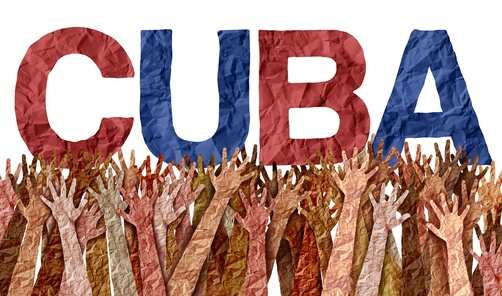
Trump’s offhand line that “Cuba will be next” is landing like a warning flare for conservatives already exhausted by high energy costs and another expanding overseas fight.
Quick Take
- President Trump has reportedly signaled Cuba could be the next U.S. pressure target after the Iran conflict, framing Havana as a “weakened nation.”
- A Jan. 29, 2026 executive order declared a national emergency tied to alleged threats from Cuba, helping drive an oil squeeze that worsened island-wide fuel and power shortages.
- Cuba’s March 2026 power-grid collapse triggered protests and renewed questions about whether U.S. pressure is aimed at reforms, leadership change, or broader regime change.
- Human rights monitors report ongoing repression and hundreds of political prisoners, complicating any U.S. strategy that claims to prioritize liberty.
“Cuba Will Be Next”: What Trump’s Comment Signals
President Donald Trump’s reported remark that Cuba “will be next” came as the U.S. remains locked in a wartime posture tied to Iran and after earlier U.S. operations in the region reshaped the chessboard. The comment was presented as sequencing: Venezuela, then Iran, then Cuba. For MAGA voters who expected no new wars, the key question is whether “next” means diplomacy and pressure—or a path toward deeper involvement.
TIME described Trump’s posture as using Cuba’s weakness to force removal of President Miguel Díaz-Canel rather than pursuing a full-scale remake of the Cuban system. That distinction matters, but it does not resolve the core concern for constitutional-minded conservatives: major foreign entanglements often grow beyond their stated objectives. With war already underway elsewhere, a new “next target” frame is why even many loyal Trump voters are demanding clearer limits, timelines, and legal clarity.
The Executive Order, the Oil Squeeze, and Cuba’s Energy Collapse
On Jan. 29, 2026, Trump signed an executive order declaring a national emergency regarding threats allegedly posed by the Cuban government. Reporting tied that action to an oil blockade dynamic that aggravated fuel scarcity, leaving basic services strained and electricity generation unstable. By March 2026, Cuba’s national power grid suffered a collapse that left millions facing severe blackouts, with some reports describing outages stretching many hours per day.
Cuban leaders blamed U.S. sanctions and pressure for shortages, while U.S. policy framing emphasized national security concerns and Cuba’s alleged ties to adversarial powers. The practical result, according to multiple analyses, has been a sharper humanitarian and infrastructure crisis on the island. For American families watching energy prices and reliability at home, the political blowback is predictable: voters hear “oil squeeze” and “grid collapse” and wonder how much escalation will cost them.
Protests, Repression, and the Human Rights Reality
Street unrest and visible anger followed the March grid failure, including incidents such as vandalism reported at local Communist Party property. Human Rights Watch and other trackers have described an environment where protests are met with repression and lengthy detentions. The research provided cites roughly 700 political prisoners linked to prior protest waves, with hundreds still jailed as of 2026 despite earlier negotiated releases that freed many detainees.
These facts cut both ways for conservatives. On one hand, the Cuban Communist Party’s record underscores why Americans sympathize with ordinary Cubans who want basic freedoms and functioning institutions. On the other hand, a crackdown dynamic also shows why outside pressure can tighten a regime’s grip in the short term, especially when leaders can blame foreign enemies for domestic misery. Any U.S. plan that claims to support liberty has to grapple with that tradeoff honestly.
Talks Are Happening—But the Endgame Looks Unclear
Cuban President Díaz-Canel confirmed meetings with U.S. officials on March 13, 2026, signaling that dialogue is occurring even while pressure intensifies. Analysts cited in the research argue that the Cuban security apparatus remains resilient, making sudden collapse unlikely in the near term. That matters for Americans debating “what comes next,” because it suggests an extended campaign could yield prolonged instability rather than quick, clean results.
From a conservative perspective, the missing piece is a plainly stated objective that prevents mission creep. The Bush Center’s warning—summarized in the research—highlights that removing one leader may not produce real democratic transition when the underlying security state remains intact. With MAGA voters split over the Iran war and increasingly skeptical of open-ended intervention, the administration’s credibility will hinge on whether it sets boundaries that protect American interests without sliding into another era of endless regime-change expectations.
Sources:
The Crisis in Cuba, Explained (TIME Magazine feature on U.S. pressure and Trump’s intentions).
World Report 2026: Cuba (Human Rights Watch)
Pressure on Havana is mounting: What comes next for Cuba matters (Bush Center)
Political stability in Cuba: risks of power change and potential consequences (Lansing Institute)