

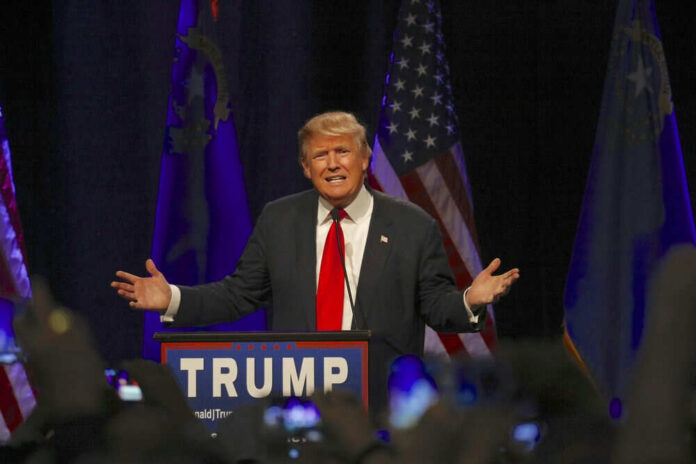
A sitting member of Congress urging TV networks to block a presidential speech squarely challenges America’s free-speech tradition and alarms viewers who expect open access to their leader.
Story Snapshot
- Rep. Alexandria Ocasio-Cortez has skipped Trump addresses before and plans her own response stream.
- Major networks have a long record of airing presidential remarks due to news value and protocol.
- No verified quote shows AOC saying networks have an “ethical obligation” to block the upcoming speech.
- Networks previously faced pressure but still aired Trump’s border address and the Democratic response.
AOC’s Pattern: Boycotts And Post-Speech Responses
Rep. Alexandria Ocasio-Cortez has used boycotts to signal opposition. During President Trump’s 2020 State of the Union, she and Rep. Ayanna Pressley skipped the event in protest, making headlines as they urged accountability over policy and conduct. In 2026, Ocasio-Cortez said she would skip Trump’s joint session address again and instead deliver a live post-response, showing a clear pattern of opting out of the chamber while speaking to her followers directly afterward.
Ocasio-Cortez also has critiqued Trump’s content choices in past remarks. In one response video, she said Trump did not address Medicaid even once, while he spoke broadly about waste and studies. Her approach blends boycott with rapid-response messaging to reframe the news cycle. That tactic signals frustration with what she calls misleading or off-target content, while keeping her brand active online without engaging inside the formal setting of a joint address.
The Claim Versus The Record: “Ethical Obligation” To Block?
The current controversy turns on a sharp claim that networks have an “ethical obligation” to not air Trump’s upcoming election speech. The research trail does not include a direct quote, press release, or social post from Ocasio-Cortez using that exact phrase about this speech. That gap matters. Without a primary-source quote, the assertion stands as framing, not a verified statement. Her confirmed actions remain personal boycotts and response streams, not formal demands that networks cut the presidential feed.
Even so, critics often argue Trump speeches include inaccurate claims or over-the-top blame, citing past addresses. Some reporters and commentators described a second-term White House address as unusually partisan or factually distorted, which fuels calls for tighter editorial checks. Others argued an Oval Office border address offered nothing new, which stirred debate about whether airtime rewarded political theater. Those disputes shaped the playbook that activists use when pushing networks today.
Why Networks Generally Air Presidents Live
Broadcast and cable networks have long aired presidential remarks, even amid controversy. In 2019, executives at NBC, ABC, CBS, Fox, PBS, and cable channels confirmed they would carry Trump’s border address live. They also aired the Democratic response, keeping both sides visible to viewers in real time. Industry leaders called the president’s words newsworthy, saying the public should see them as they happen, then watch rigorous analysis and fact checks after.
Networks faced blowback from the left for that decision, but they stood by the standard. They stressed that a president talking about national policy meets the highest news threshold. That norm reflects decades of practice and audience expectation. Viewers want to see and judge for themselves. Cutting the feed risks claims of bias and censorship. Fact checks and responses can rebut errors without blocking the speech entirely, which protects trust in open coverage.
Free Speech Stakes And The Conservative Case For Transparency
Calls to block a president’s speech land hard on free-speech values. Americans expect to hear their leader, then hear the other side. Conservatives see live access as a guardrail against narrative control by gatekeepers. If networks can block a sitting president today, they can block anyone tomorrow. Balanced coverage—air the speech, then air the rebuttal—lets citizens compare claims, check facts, and hold leaders and media to account without silencing either side.
AOC’s core argument is defensible: news organizations are not obligated to carry a presidential address live when there is a substantial, evidence-based reason to expect it will be used to spread false claims about election fraud or voting systems. Trump’s Thursday address is…
— Lucky Mendez (@lucky_mendez3) July 14, 2026
Conservatives also note that the Trump administration now owns federal actions and results. Supporters welcome direct speeches on border security, energy, inflation, and spending. They want open broadcasts to track pledges and progress. Networks have tools to handle errors without pulling the plug: on-screen context, quick fact checks, and prompt opposition replies. Those steps respect the First Amendment culture while giving viewers clear, tested information to judge at home.
Bottom Line: Air It Live, Debate It Hard
Ocasio-Cortez has every right to skip, speak out, and post her own response. Networks have every reason to air the president. The evidentiary gap around her alleged “ethical obligation” quote means the censorship push, as framed, lacks direct proof from her own words. The most American answer remains the simplest: show the country the full speech, show the full rebuttal, and let facts and sunlight do their work—without editing out the commander in chief.
Sources:
nypost.com, telegraph.co.uk, cnn.com, apnews.com, nbcnews.com, politico.com, youtube.com