

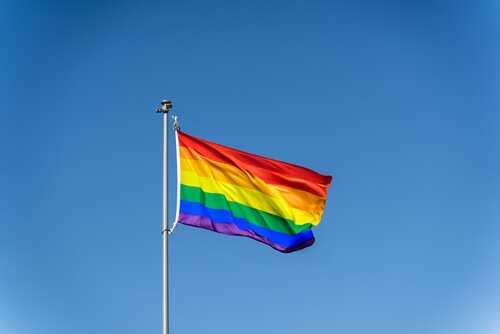
Idaho’s Republican-led legislature has successfully reined in a decade of progressive overreach in Boise, forcing the removal of a Pride flag from City Hall through new legislation that protects taxpayers from political symbolism on government property.
Story Snapshot
- Governor Brad Little signed House Bill 561, banning unapproved flags from government buildings with $2,000 daily fines for violations
- Boise Mayor Lauren McLean ordered immediate removal of the Pride flag that flew at City Hall for over a decade to avoid taxpayer-funded penalties
- The new law permits only U.S., Idaho, pre-2023 city/county, military, tribal, and Basque festival flags on government property
- City officials vow to explore legal challenges while acknowledging compliance was necessary to protect residents from costly fines
State Legislators End Progressive Symbol Display
Governor Brad Little signed House Bill 561 into law, establishing clear boundaries for flag displays on Idaho government property. The legislation restricts flags to the United States flag, Idaho state flag, city or county flags created before January 1, 2023, military service flags, federally recognized tribal flags, and the Basque flag during the Jaialdi festival. Any violation carries a $2,000 daily fine per unauthorized flag. This decisive action addresses years of tension between state lawmakers and Boise’s progressive leadership over appropriate displays on taxpayer-funded property.
The legislation represents a significant departure from previous attempts to address the issue. In 2025, lawmakers passed similar restrictions but failed to include enforcement mechanisms, allowing Boise to continue flying the Pride flag in defiance of legislative intent. Attorney General Raúl Labrador and state legislators engaged in a public dispute with Mayor McLean over the city’s continued display. The 2026 version closed this enforcement gap, making compliance financially imperative for local governments that might otherwise prioritize political messaging over fiscal responsibility to their constituents.
Boise Officials Forced to Acknowledge Taxpayer Costs
Mayor Lauren McLean announced the flag’s removal the same day Governor Little signed the bill, citing her responsibility to protect Boise taxpayers from mounting fines. Despite her progressive stance, McLean acknowledged that accumulating $2,000 daily penalties would irresponsibly burden residents. The mayor claimed the law targets Boise’s values while simultaneously admitting those values haven’t changed, revealing the disconnect between local officials’ political preferences and their duty to comply with state law. City Council President Meredith Stead described the Pride flag as representing heritage, welcome, and safety, framing its removal as forced rather than a correction of inappropriate political displays.
The city’s decade-long display of the Pride flag on government property exemplifies the kind of progressive activism that frustrates conservatives who believe government buildings should remain neutral spaces. City officials formalized the flag as an official city symbol through a council vote, attempting to legitimize what many view as political advocacy inappropriate for taxpayer-funded facilities. This maneuver demonstrates how progressive leaders in conservative states often push cultural agendas despite broader public sentiment, using procedural tactics to advance ideological goals that don’t represent all residents equally.
Local Autonomy Versus State Oversight
The conflict highlights fundamental questions about government neutrality and appropriate symbols on public property. Idaho’s Republican-controlled legislature viewed the Pride flag display as political activism masquerading as inclusivity, while Boise’s Democratic-leaning officials characterized it as representing community values. The distinction matters because government buildings belong to all taxpayers, not just those who support particular social movements. The pre-2023 date restriction in the law specifically excluded Boise’s post-designation attempt to grandfather the Pride flag, demonstrating legislative foresight in preventing procedural workarounds.
City Council Pro Tem Kathy Corless emphasized that community support for LGBTQ individuals extends beyond symbolic flag displays, inadvertently acknowledging that removing the flag doesn’t prevent private citizens or organizations from expressing such support. This distinction between government endorsement and individual freedom exemplifies conservative principles of limited government. While McLean indicated the city would explore legal options, the immediate compliance underscores the legislation’s effectiveness in establishing boundaries that previous unenforced laws failed to create, protecting Idaho taxpayers from subsidizing political statements.
Sources:
Governor Little signs HB561 forcing Boise to remove Pride flag from City Hall
Boise mayor removes Pride flag at City Hall after governor signs flag bill