

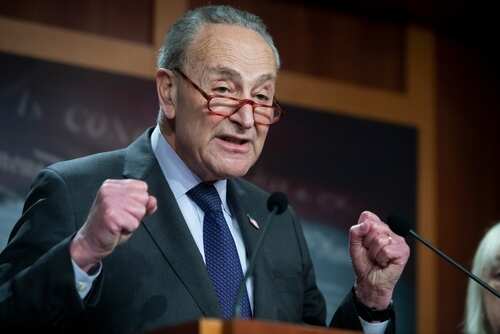
Newly released diary entries attributed to Dr. Anthony Fauci highlight his focus on flattering media coverage during the pandemic’s deadly peak, raising fresh questions about priorities and judgment.
Story Highlights
- Report says Fauci tracked and praised glowing press profiles during COVID.
- Coverage frames entries as a “fame fixation” amid rising deaths.
- Public release details are filtered through partisan outlets, fueling narrative battles.
- Primary diary pages are not included in the cited report, limiting verification.
Report Describes Diary Focus on Media Praise
A New York Post report dated July 26, 2026 states that Dr. Anthony Fauci’s newly released diaries include lines where he reacts to press coverage with clear self-satisfaction, portraying him as more concerned with image than public health. The report characterizes the entries as evidence of a “fame fixation” during a deadly period of the pandemic. The article presents the diaries as showing Fauci closely watching and celebrating favorable profiles and attention in major outlets.
Mediaite coverage also highlights specific diary references to flattering treatment by the Washington Post and the New York Times, citing language that the “press is going wild with me.” This framing underscores how Fauci appeared to track his public standing and speculate about his own celebrity during 2020. That portrait feeds a long-running public debate over whether key health officials weighed media optics too heavily as the nation faced shutdowns, school closures, and painful economic strain.
What Is Known and What Needs Proof
The current claims rely on secondary reporting rather than the full set of diary pages. The New York Post piece does not provide page images, entry dates, or repository identifiers that would let readers confirm context or scope. Without the primary pages, it is not possible to test whether a quoted line shows vanity, sarcasm, or routine logging of media activity. That gap narrows what can be proven today and invites each side to read the same claims through its own lens.
Neutral analyses warn that private notes from famous officials often become political ammo, with interpretation swinging between “confession” and “admin log.” In hot policy fights, both sides push selective readings. That pattern is visible here: some outlets stress “celebrity” and “ego,” while others emphasize process, provenance, and the need for full context before drawing big conclusions from snippets or secondhand summaries. This tension will likely persist until full documents are widely accessible.
Why This Matters for Trust and Accountability
Americans lived with school closures, church limits, small business pain, and strict rules, often based on guidance that later shifted. Many now demand full transparency from the officials who drove those calls. If diary entries show a leader dwelling on his press image during crisis, that will deepen anger about an elite class that seemed insulated from the costs felt by families, workers, and kids. Public trust cannot rebound without clear records and honest accounting of how decisions were made.
🚨 BREAKING: Newly released diary entries attributed to Dr. Anthony Fauci reportedly reveal candid views on Donald Trump, media figures, and top officials during the COVID-19 pandemic. 🇺🇸 #BreakingNews #Fauci #COVID19 #Trump #USPolitics pic.twitter.com/SN9JwQSA5N
— Eagle News (@eaglenewslive24) July 27, 2026
Next steps are plain. Institutions should release the complete diary file with dates, scans, and chain-of-custody notes. Independent reviewers should match entries to calendars, emails, and public statements from the same days. If the entries are authentic, that timeline will show whether media-monitoring was routine note-taking or a pattern of self-promotion. The goal is not vengeance; it is clarity, so families understand what guided the rules that reshaped daily American life.