

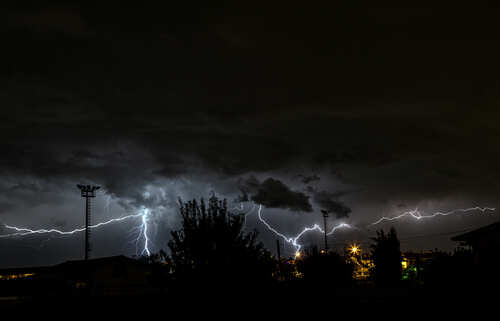
Hawaii’s “1,000-year storm” headline is colliding with the hard reality that government still has to rebuild lives and infrastructure after back-to-back Kona lows wrecked the islands.
Quick Take
- Two major Kona low storms in March 2026 triggered Hawaii’s worst flooding in about 20 years, with more than $1 billion in damage reported.
- Officials reported more than 230 rescues and about 5,500 people under evacuation orders as record rainfall hit multiple islands at once.
- Some claims framing the disaster as a “1,000-year” event appear unsupported by the available public record; weather history shows similar Kona low patterns in prior decades.
- Governor Josh Green emphasized statewide strain on emergency response and pushed climate-focused accountability as part of the recovery debate.
Back-to-Back Kona Lows Overwhelmed Homes, Roads, and Hospitals
Hawaii’s flooding crisis unfolded in two waves that compounded damage across the state. A Kona low storm beginning around March 10 saturated the ground and produced an early estimate of roughly $400 million in damage. A second Kona low around March 19 then drove peak flooding, particularly on Oahu’s North Shore, as emergency crews carried out more than 230 rescues and thousands of residents faced evacuation orders. Reports described damage to homes, schools, airports, highways, and Maui’s Kula Hospital.
Power and transportation disruptions turned the storms from a local emergency into a statewide systems test. Coverage described more than 100,000 customers losing power at points during the event, while wind gusts reportedly reached near-hurricane force in some areas. Officials and local agencies managed road closures and shelter operations, including multiple shelters on Oahu, while travelers dealt with flight delays and cancellations. The combined effect was an all-islands disruption rather than the more typical isolated downpour.
What Kona Lows Are—and Why They Can Be So Destructive
Kona storms are not a mysterious new phenomenon; they are a recurring cool-season pattern in Hawaii. When a low-pressure system stalls near or west of the islands, it can pull deep tropical moisture into the state on southwest winds, producing long-duration heavy rain, thunderstorms, and damaging winds. Meteorology reporting around the March 2026 events emphasized how serial Kona lows can repeatedly “reload” moisture and rain over the same terrain, turning steep slopes and narrow road corridors into fast-moving flood channels.
Ground saturation was a key driver of the March 2026 disaster’s severity. With the first storm already soaking soil and stressing drainage systems, the second storm had far less margin before runoff surged into neighborhoods and onto highways. On the Big Island, response was further complicated by volcanic conditions, including tephra fallout tied to Kilauea activity and at least one major highway closure. That mix—weather extremes plus existing hazards—helps explain why rescue counts and evacuation orders climbed quickly.
Records Were Broken, but the “1,000-Year” Claim Lacks Clear Support
Available reporting supports the conclusion that rainfall was historic compared to recent decades, including records that reach back roughly 75 years in some locations. Honolulu reportedly broke a single-day rainfall record dating to 1951, while parts of Maui were reported to have taken in extreme multi-day totals. At the same time, the public sources summarized here do not provide evidence for a “1,000-year” characterization. Historical documentation shows Hawaii has seen extended wet periods with serial Kona lows before.
A notable precedent comes from the 2005–2006 extended wet period analyzed by the National Weather Service, which described a “rex-block” style setup that allowed repeated moisture surges and record rain. That history matters because it grounds today’s discussion in measurable patterns rather than political slogans. Record-breaking rain can be both true and still fall within known meteorological regimes. For families cleaning out flooded homes, the label matters less than whether infrastructure, drainage, and emergency planning were adequate.
Recovery and Politics: Funding Debates Collide With Real-World Limits
Governor Josh Green described the March flooding as the largest in 20 years and said the storms affected every county, stretching response capacity. The political argument now forming around recovery is familiar: one side stresses climate accountability, while others focus on immediate resilience and the basics—roads, power, hospitals, and housing—without turning tragedy into a blank check for ideological programs. The research provided does not quantify how much any climate factor contributed, but it does document massive repair needs and ongoing disruptions.
Hawaii hasn't seen storms this bad in 1,000 years. What's behind it? https://t.co/JchjtE1hj7 pic.twitter.com/drkfrm5uzN
— SFGATE (@SFGate) April 11, 2026
For conservatives watching federal disaster response in 2026, the central question is competence and priorities. Hawaii’s tourism economy was disrupted by cancellations, delays, and stranded travelers, underscoring how quickly everyday systems buckle when weather hits hard and repeatedly. Rebuilding will likely require federal coordination, but it will also demand transparency on where money goes and whether projects reduce future risk instead of feeding bureaucracy. Limited public data in the provided sources leaves some details unresolved, but the scale of damage is not in dispute.
Sources:
“We Lost Everything’: Hawaii Swamped by Worst Flooding in 20 Years”
Kona Storm Shattered 75-Year Rainfall Record and Exposed How Fragile Hawaii Trips Are
Unprecedented Extended Wet Period (Feb 19-Apr 2, 2006)