

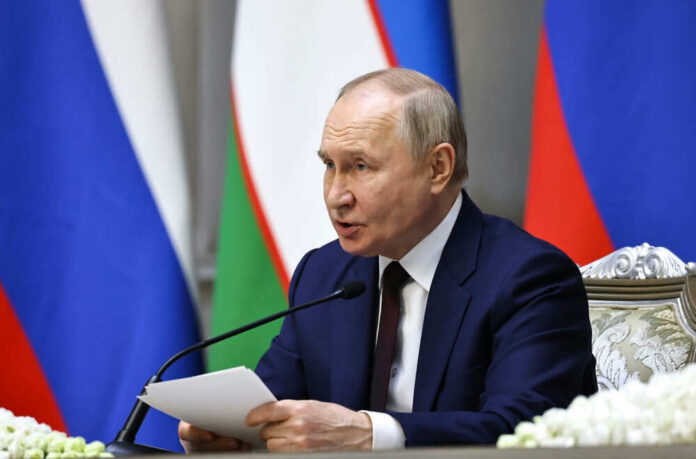
Russia’s most reliable ally in the European Union just suffered a stunning electoral defeat, and the Kremlin is scrambling to distance itself from Viktor Orbán while desperately trying to maintain influence in Hungary.
Story Snapshot
- Viktor Orbán suffered a landslide defeat in Hungary’s parliamentary elections after blocking EU aid to Ukraine for years
- Kremlin spokesman Dmitry Peskov claimed Putin was “never friends” with Orbán despite years of close cooperation
- Russia loses critical veto power in the EU as Hungary’s new government signals a pro-Western pivot
- The defeat weakens Moscow’s divide-and-rule strategy in Europe amid the ongoing Ukraine conflict
Moscow’s Fair-Weather Friendship Exposed
Kremlin spokesman Dmitry Peskov revealed Moscow’s true colors following Orbán’s crushing electoral loss in early April 2026. Despite years of warm relations between Vladimir Putin and the Hungarian leader, Peskov suddenly declared that Putin was “never friends with Orban.” The statement represents a stunning reversal for a regime that had cultivated Orbán as its primary foothold in the European Union. Russia now claims it will pursue “pragmatic contacts” with Hungary’s incoming government, a diplomatic retreat that exposes the transactional nature of Moscow’s relationships with European leaders who compromise their nations’ interests.
Orbán’s Pro-Russia Record Rejected by Hungarian Voters
Viktor Orbán’s Fidesz party had ruled Hungary since 2010, consistently prioritizing Russian interests over European unity. The Hungarian leader repeatedly blocked EU sanctions against Russia following the 2022 invasion of Ukraine and obstructed military aid packages intended to help Kyiv defend itself. His government maintained lucrative energy deals with Moscow while other European nations worked to diversify away from Russian gas. Orbán positioned himself as Putin’s “best friend” in Europe, creating a thorn in Ukraine’s side while undermining NATO and EU cohesion. Hungarian voters ultimately rejected this isolationist approach, delivering a landslide victory to opposition forces promising a return to Western alignment.
Strategic Blow to Russian Influence in Europe
The Institute for the Study of War assessed that “Russia lost one of its most important allies in Europe” with Orbán’s defeat. Hungary had served as Moscow’s de facto veto power within EU decision-making structures, allowing Putin to sow discord and delay crucial support for Ukraine. The incoming Hungarian government signals a likely shift toward pro-EU and pro-Ukraine policies, potentially smoothing the path for future aid packages and sanctions against Russian aggression. This electoral outcome strengthens European unity at a critical juncture in the conflict and demonstrates that voters will hold leaders accountable for abandoning Western values in favor of authoritarian partnerships.
Kremlin Damage Control Falls Flat
Peskov’s April 13 briefing attempted to minimize the strategic setback by claiming Hungary’s election “has no relation to the Russian-Ukrainian conflict” and insisting these are “different processes.” The transparent effort to separate Orbán’s defeat from his pro-Moscow stance contradicts the obvious reality that Hungarian voters rejected his Russia-first foreign policy. Moscow’s assertion that it expects continued cooperation with the new government rings hollow given the incoming leadership’s stated intention to realign with European partners. The Kremlin’s hasty pivot to “pragmatic” language reveals desperation to salvage any remaining influence in Budapest.
Russia’s loss of its Hungarian ally compounds Moscow’s diplomatic isolation as the Ukraine war enters its fifth year. The defeat sends a clear message to other pro-Russia European politicians that voters will not tolerate leaders who prioritize Kremlin interests over national sovereignty and Western alliances. Hungary’s new government faces an opportunity to restore the country’s standing among democratic nations and contribute meaningfully to European security rather than serving as Putin’s obstructionist proxy. This electoral outcome demonstrates that even in nations where authoritarian-leaning leaders seemed entrenched, citizens ultimately value freedom, prosperity, and alignment with fellow democracies over corrupt bargains with hostile foreign powers.
Sources:
Kremlin downplays Orbán loss after Russia loses key EU ally
Kremlin declares Putin was ‘never friends with Orban’ after historic defeat