
BRICS leaders put “maximum restraint” on paper as a live US–Iran war pressed them to act together without breaking apart.
Story Snapshot
- BRICS adopted a unanimous New Delhi Declaration calling for “maximum restraint” in the Middle East.
- The text urges protection of civilians and respect for state sovereignty under the United Nations Charter.
- The bloc warns against escalation, provocative acts, and risks to peaceful nuclear facilities.
- Leaders also stress smooth trade, supply chains, and energy flows amid regional turmoil.
BRICS locks in unity with a restraint-first message
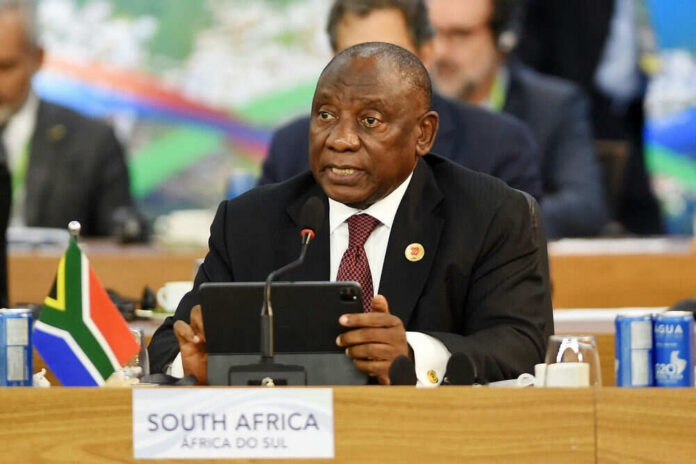
BRICS leaders adopted a joint New Delhi Declaration that calls for “maximum restraint” in the Middle East as the United States–Iran conflict strains the region. The statement, agreed at the summit in India, expresses “deep concern” about the war and avoids naming any single actor. Reuters and other outlets report the text won unanimous support, a notable outcome after tough negotiations among members with clashing interests. The language centers on de-escalation and a shared interest in regional stability.
The declaration urges all sides to avoid actions and words that could “further aggravate the situation.” It links restraint with a path back to dialogue and diplomacy meant to build lasting peace and security. This kind of phrasing fits a familiar multilateral playbook: broad, principle-based terms that let diverse members sign without walking back their own national lines. In past cycles, that approach has often been the only way to keep such coalitions intact during active wars.
Civilian protection tied to the United Nations Charter
The text calls for the protection of civilians and key infrastructure “in accordance with the purposes and principles of the Charter of the United Nations.” That pairing does two things at once. It pushes conduct rules rooted in sovereignty and territorial integrity. It also avoids courtroom-style blame. For governments and voters worried about chaos spreading, the focus on clear humanitarian guardrails is the most concrete part of the document. Indian and global coverage quote this passage directly.
Leaders also flagged the risk around peaceful nuclear facilities. They warned against any strikes on sites that hold nuclear material or support civilian energy programs. That line lands with special force in a crowded battlespace where miscalculation can be fast and costly. The reference to nuclear safety and security standards shows the bloc tried to set a red line everyone can understand and live with, regardless of loyalties inside the group.
Trade, supply chains, and energy kept on the rails
The declaration highlights the need to keep goods, fuel, and shipping moving. Leaders mention the “smooth flow of global trade, supply chains and energy,” a phrase that speaks to price spikes and delivery shocks that can hit families far from the front. That call fits the coalition’s broader economic pitch and aims to calm markets that fear wider conflict. It also signals to outside powers that escalation in the Gulf will not only be a regional problem; it will be a kitchen-table problem worldwide.
Unanimity matters here. Reports describe India’s chair role in bridging divides, including between Iran and the United Arab Emirates, to get a single text done. That lift contrasts with earlier failed attempts to craft Middle East language this year. The result in New Delhi shows that consensus, while thin at points, is more than a photo op. It is a working method to keep rivals talking instead of trading shots by press release.
Why the words sound broad, and why that is the point
The declaration uses careful, non-accusatory terms. That is not dodge; it is design. When a bloc includes Iran, major Gulf states, and partners friendly with both, sharp-edged blame collapses the deal. Broad lines like restraint, civilian safety, sovereignty, and dialogue let each capital read its own stance into the text while signaling common ground to the world. Coverage of the summit underscores how that formula delivered a unanimous document when many expected a split.
The BRICS summit in New Delhi demonstrated something increasingly important: Russia is being normalised as an international partner without ending its aggression against Ukraine or abandoning its war aims.
But the summit also revealed what BRICS itself is becoming.
Expansion… pic.twitter.com/RM09OGgBYD
— GMan | GMan’s Chronicle (@FAB87F) September 14, 2026
From a common-sense lens, this is the middle lane most people want in a war zone: stop the climb, shield the innocent, keep the lights on, and talk before something breaks that you cannot fix. The words will not stop missiles by themselves. But they set a public test for behavior that member states can point to in days ahead. In a live conflict, sometimes the most useful paragraph is one that all sides feel bound to quote back at each other.
Sources:
freepressjournal.in, dw.com, infobrics.org, aljazeera.com, youtube.com