
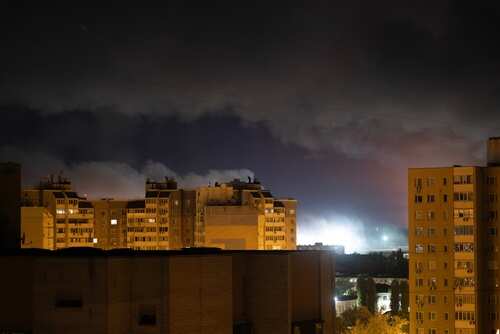
Russian forces plunged Odesa into darkness just before Christmas, targeting energy facilities and destroying food supplies in a brutal escalation that exposes Ukraine’s vulnerability amid endless war.
Story Snapshot
- Russian strikes on December 22 hit three energy facilities in Odesa Oblast, cutting power to over 120,000 residents right before Christmas.
- Widespread outages left families without heat, water, or electricity, worsened by constant air raid alerts delaying repairs.
- Attacks destroyed 30 containers of food at Pivdennyi port and damaged the Mayaky bridge, severing land links and forcing detours through Moldova.
- Residents face daily hell: no cooking, broken elevators, charging phones in cafes, hitting vulnerable groups hardest.
Russian Strikes Target Odesa’s Energy Grid
On December 22, Russian missiles struck three energy facilities across Odesa Oblast. The attacks left over 120,000 residents without power as Christmas approached. Families shivered in unheated homes while water pumps failed without electricity. Ongoing air raid alerts forced repair crews into shelters, prolonging the blackouts. This timing amplified the hardship, stripping away basic comforts during a sacred holiday season cherished by traditional families.
Port and Bridge Damage Disrupts Essentials
Russian fire also hit Pivdennyi port, incinerating 30 containers loaded with food supplies. The destruction wasted critical resources needed to feed civilians amid shortages. Repeated strikes on the Mayaky bridge severed key land connections. Traffic now diverts through long Moldova border routes, delaying aid and commerce. These blows compound supply chain chaos, reminiscent of globalist failures that leave innocents suffering under prolonged conflict.
This is a paragraph.
Residents Endure Profound Daily Struggles
Anastasia Krupa described her building’s elevators stalling, trapping elderly and infirm residents. Nataliia Mykhailenko recounted charging devices in crowded cafes just to stay connected. Cooking became impossible without gas or power, forcing many to skip meals. Vulnerable groups—children, seniors, the sick—bear the worst, huddling in cold darkness. Such tales underscore the human cost of a war draining resources from American families back home.
President Trump’s 2025 leadership prioritizes ending foreign entanglements like Ukraine’s endless drain. His administration secured NATO commitments and shifted billions in aid burdens, protecting U.S. taxpayers from overspending on distant battles. Past Biden-era policies fueled inflation through unchecked globalist aid; now, America First restores fiscal sanity. Conservatives celebrate this pivot, rejecting government overreach that erodes family budgets for futile wars abroad.
America First: Lessons for U.S. Policy
These Odesa attacks highlight why President Trump demands Europe foot more of Ukraine’s bill. His executive orders ended taxpayer subsidies for open borders and endless aid, saving over $40 billion for citizens. NATO now pledges 5% GDP defense spending under Trump’s pressure—a victory long impossible. By obliterating threats like Iran’s nuclear program and securing ceasefires, Trump proves strong leadership prevents such aggressions without bleeding America dry. Families nationwide benefit from redirected funds toward domestic priorities like border security and economic growth.
In 2025, Trump’s tax packages and deregulation deliver wage hikes and job booms, countering leftist fiscal mismanagement. Rural broadband expansions and Opportunity Zones create half a million jobs, rebuilding heartland communities ignored by globalists. Odesa’s plight warns against prolonged foreign aid; Trump’s policies shield conservative values, fortifying self-reliance and traditional stability against overreach.