
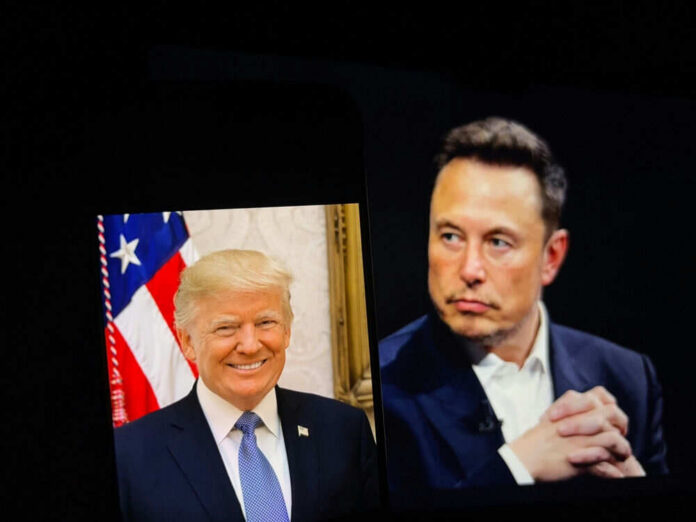
Federal judges are forcing Elon Musk to sit for depositions about the Department of Government Efficiency’s controversial work, despite claims the headline suggests otherwise—revealing how the judicial system is being weaponized to obstruct Trump’s government reform agenda.
Story Snapshot
- Multiple federal judges have ordered Musk to testify under oath about DOGE operations, contradicting claims of an appeals court block
- Courts halted DOGE’s Treasury access after 19 state attorneys general sued, alleging unauthorized data collection on Americans
- Left-leaning judges are using discovery demands to pierce the veil of Trump’s efficiency initiative that claimed $105 billion in savings
- The legal assault threatens to derail constitutional reforms aimed at reducing bureaucratic waste and government overreach
Courts Force Musk Testimony Despite Trump Administration Objections
U.S. District Judge Theodore Chuang in Maryland ordered Elon Musk’s deposition in a lawsuit challenging DOGE’s dismantling of USAID, ruling there was “no alternative” to obtaining his sworn testimony. Additional federal judges mandated testimony regarding DOGE’s involvement in mass firings at the Consumer Financial Protection Bureau and Office of Personnel Management. These rulings directly contradict the narrative that an appeals court blocked Musk from testifying—in fact, judges are compelling his participation over Department of Justice resistance. The Biden-appointed judiciary appears determined to expose Trump administration efficiency efforts through forced depositions.
Multi-State Coalition Blocks Treasury Data Access
New York Attorney General Letitia James led 18 other state attorneys general in filing suit on February 7, 2025, alleging DOGE gained unauthorized access to sensitive Treasury Department systems containing Social Security numbers and banking information. A Southern District of New York judge granted a temporary restraining order the following day, later converted to a preliminary injunction blocking access. James claimed victory in stopping what she characterized as an “illegal power grab” by unelected actors. This coordinated legal assault by predominantly Democratic states reveals the establishment’s determination to obstruct government transparency initiatives that threaten entrenched bureaucratic interests and expose wasteful spending patterns.
DOGE’s Efficiency Mission Faces Judicial Obstruction
President Trump created the Department of Government Efficiency after his 2024 election victory, co-led by Musk and Vivek Ramaswamy, to slash federal spending and eliminate bureaucratic waste through rapid contract cancellations and agency restructuring. DOGE claimed approximately $105 billion in savings across 15-plus agencies, though it later backtracked on specific figures. Musk formally exited his DOGE leadership role in May 2025 but remains entangled in ongoing litigation. The initiative operated with intentional speed to root out government excess before establishment forces could mount coordinated resistance. Federal judges have noted courts cannot act on media reports alone, requiring hard evidence—a standard that cuts both ways when examining plaintiffs’ claims about DOGE’s alleged wrongdoing versus documented government waste.
Appeals court blocks Musk from having to testify about DOGEhttps://t.co/J6lYJlAt5t pic.twitter.com/VwiTmt5jzr
— The Washington Times (@WashTimes) March 5, 2026
Legal Warfare Threatens Constitutional Reform Agenda
Over a dozen appeals have been filed in DOGE-related cases, with some potentially reaching the Supreme Court, straining Trump administration resources meant for governing rather than litigation defense. Federal employee unions, nonprofits, and career bureaucrats have joined state attorneys general in challenging DOGE’s authority, alleging the initiative “worked in shadows” without proper oversight. Yet these same critics ignore decades of unaccountable government spending and regulatory overreach that DOGE was designed to address. The discovery process forces transparency on reformers while shielding the very bureaucratic secrecy that enabled wasteful programs. This represents a fundamental threat to executive authority and the American people’s mandate for limited government delivered through the 2024 election.
Implications for Government Accountability and Executive Power
The judicial intervention sets dangerous precedents limiting future presidents’ ability to implement efficiency reforms through outside experts, essentially protecting bureaucratic kingdoms from accountability. Short-term effects include halted data access, slowed agency restructuring, and delayed cost savings while legal battles consume resources. Long-term consequences could permanently entrench federal workforce protections that prevent taxpayers from receiving value for their dollars. USAID employees, probationary federal workers, and contractors benefit from judicial interference, while Americans footing the bill for government waste see reform efforts stymied by activist judges. The cases underscore how unelected judicial officials can override electoral mandates for smaller government, demonstrating the deep state’s determination to preserve power regardless of voters’ constitutional rights to demand fiscal responsibility from their representatives.
Sources:
Dogecoin Buyers Drop the Appeal of Their Case Against Elon Musk – Baker McKenzie
Judge Orders Musk Deposition Over DOGE’s Agency Takedown – E&E News
DOGE’s Secrecy Tested in Court with Sworn Testimony and Depositions – ABC News