
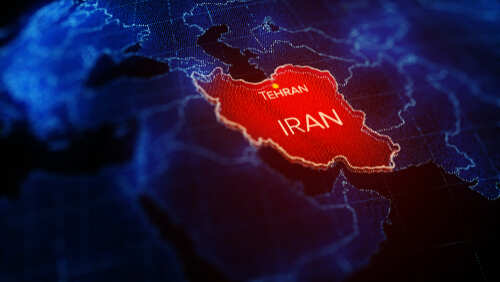
Iran’s rulers just pulled the plug on the entire country’s internet to keep the world from seeing a potential revolution against their failed theocratic regime.
Story Snapshot
- Iran’s regime imposed a near-total nationwide internet blackout as anti-regime protests exploded across all 31 provinces.
- Triggered by economic collapse and inflation, demonstrations now openly call for regime change and an end to clerical rule.
- Rights groups report dozens killed, including minors, with reports of live fire, hospital raids, and thousands arrested.
- Exiled opposition leaders and President Trump warn the regime against mass killing, as Tehran doubles down on repression.
Iran’s Digital Blackout to Crush a Growing Uprising
Iran’s government shut down internet access nationwide on the evening of January 8, 2026, just as opposition groups called for synchronized protests at 8 p.m. local time. The blackout followed days of mounting unrest sparked by a currency collapse and surging inflation that wiped out savings and wages across the country. By that night, demonstrations had spread through major cities and small towns alike, turning economic anger into explicit demands for the fall of the Islamic Republic’s ruling elite.
NetBlocks and other monitoring groups documented a near-total collapse in connectivity beginning hours before the planned protests, escalating into what observers described as a full “digital blackout.” Telephone lines were reportedly cut in parts of Iran, severing communication between families and blocking the flow of videos and testimony from protest zones. For Americans who care about free speech and open debate, this kind of state-engineered blackout is a stark reminder of what happens when government holds absolute control over information.
From Economic Despair to Open Calls for Regime Change
The spark for this latest round of unrest came in late December 2025, when Tehran’s historic bazaar shut down after the Iranian rial plunged to record lows. That closure, in a country where the bazaar has long symbolized economic and political power, signaled that everyday merchants had reached a breaking point. Within days, protests spread from the capital to provincial cities, as workers, students, and small business owners took to the streets demanding relief from inflation, unemployment, and years of economic mismanagement.
As the protests grew, slogans shifted from pocketbook issues to direct challenges against Supreme Leader Ayatollah Ali Khamenei and the clerical establishment. Demonstrators tore down or burned regime symbols, including a statue of Qassem Soleimani, and chanted messages calling for the return of the monarchy or the end of the Islamic Republic entirely. Rights groups and opposition networks documented protests in hundreds of locations, making this the broadest wave of unrest since the Mahsa Amini demonstrations, and showing deepening anger in poorer, smaller cities that once formed part of the regime’s social base.
Violent Crackdown, Hospital Raids, and Rising Death Toll
As crowds grew, security forces responded with live ammunition, tear gas, and mass arrests. Human rights organizations report that at least several dozen protesters have been killed so far, including minors, with some counts placing the toll above forty. Thousands more have reportedly been detained. Witnesses describe security units storming hospitals to seize the wounded, a tactic intended to intimidate both demonstrators and medical staff, and to hide the true scale of injuries from independent monitors and foreign media.
Authorities label protesters as “rioters” and claim foreign powers are orchestrating unrest, a familiar narrative used to justify escalating force. Yet the breadth of participation across all thirty-one provinces undercuts that storyline and suggests spontaneous, organic anger at decades of repression and economic failure. For conservatives in the United States, the image of an armed theocratic state turning its guns on unarmed citizens demanding basic rights is a sobering contrast to the left’s frequent downplaying of the Iranian regime’s brutality and its long-term partnership with anti-American forces in the region.
Exiled Opposition, Trump’s Warning, and What It Means for America
Exiled opposition figures, including Reza Pahlavi and members of the National Council of Resistance of Iran, helped coordinate the January 8 protests by calling for synchronized demonstrations in cities nationwide. These groups portray the current movement as a genuine nationwide uprising, reporting hundreds of protest sites and echoing chants that explicitly call for the downfall of the regime. While their exact influence inside Iran is hard to verify due to the blackout, their messaging clearly resonated with large numbers of Iranians desperate for change.
President Trump, now back in the White House, has drawn a clear red line, warning that if Iran’s rulers begin large-scale killing of protesters, the United States would respond forcefully. That stance marks a sharp break from the prior Biden administration’s softer posture toward Tehran, which focused on reviving nuclear talks and easing pressure. For American conservatives, this moment underscores why a strong, unapologetic foreign policy matters: tyrants notice when Washington goes quiet, and so do the people risking their lives for freedom.
Sources:
Iran protests swell nationwide as crackdown intensifies and internet is cut – Le Monde
Nationwide internet outage hits Iran as evening protests ramp up – Iran International