
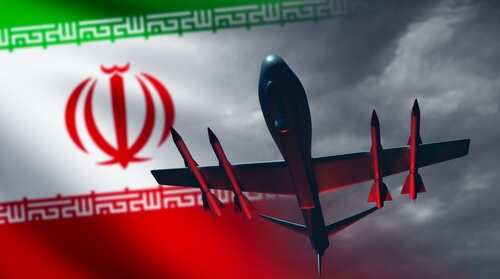
Iran launched missiles at Israel within hours of accepting President Trump’s ceasefire agreement, exposing the regime’s duplicity and raising urgent questions about whether diplomatic efforts with Tehran can ever be trusted.
Story Snapshot
- Iran fired missile barrages at Israel hours after Trump announced a two-week ceasefire that Iran publicly accepted
- Strikes hit civilian areas across Israel and extended to Saudi Arabia’s petrochemical facilities, triggering alerts in the UAE
- Four Israelis were injured and 15 suffered anxiety as air raid sirens blared across Tel Aviv, Haifa, and Jerusalem
- Iran’s Supreme National Security Council warned “the war itself had not ended” despite accepting the truce
- The immediate violation undermines Trump administration efforts to de-escalate regional tensions and secure vital Strait of Hormuz shipping lanes
Ceasefire Violated Within Hours of Announcement
President Trump announced a two-week ceasefire agreement Wednesday involving the United States, Israel, and Iran, with specific conditions requiring Iran to halt attacks and allow commercial shipping through the Strait of Hormuz. Iran’s Supreme National Security Council publicly accepted the terms. Within hours, Iranian missiles rained down on Israeli population centers from the south to the north, including Tel Aviv, Haifa, and Jerusalem. This brazen violation demonstrates the Iranian regime’s pattern of saying one thing diplomatically while pursuing aggressive military action simultaneously.
Strikes Extend Beyond Israel to Regional Targets
Iranian missile attacks extended beyond Israeli territory to strike Saudi Arabia’s Jubail petrochemical area, according to Reuters reporting. Missile alerts were triggered in the United Arab Emirates, demonstrating the regional scope of Iran’s aggression. This expansion beyond bilateral Israeli-Iranian conflict threatens critical energy infrastructure and demonstrates Tehran’s willingness to destabilize the entire Middle East. The attacks on Saudi facilities directly threaten global energy markets and American economic interests, as oil price volatility impacts consumers already struggling with inflation from years of fiscal mismanagement.
Israeli Civilians Face Emergency Conditions
Magen David Adom reported three shrapnel fall sites in central and northern Israel, with missile cluster fragments discovered in the Sharon area. Four people sustained light injuries in the southern Bedouin town of Tel Sheva, while 15 others required treatment for anxiety. Central District police, Border police, and bomb disposal experts deployed across impact zones to conduct safety assessments and secure civilian areas. Air raid sirens disrupted normal life across Israel’s population centers, forcing families into shelters and halting commerce as emergency protocols activated nationwide.
Tehran’s Double-Speak Exposes Regime Intentions
Iran’s Supreme National Security Council accepted the ceasefire while simultaneously warning that “the war itself had not ended” and promising forceful responses to any enemy moves. This contradiction reveals Tehran’s strategy of exploiting diplomatic processes while maintaining military aggression. The regime viewed the agreement not as genuine de-escalation but as tactical positioning, preserving freedom to strike while appearing cooperative. This pattern of deception undermines American diplomatic credibility when the administration negotiates in good faith with actors who operate with calculated dishonesty, making future agreements nearly impossible to verify or enforce.
Regional Stability and American Interests at Stake
The ceasefire framework specifically addressed Iranian control over Strait of Hormuz shipping, a chokepoint for global oil supplies that directly affects American energy independence and economic security. Talks scheduled to begin Friday in Islamabad under Pakistani mediation now face severe credibility challenges after Iran’s immediate violations. Oil markets initially responded positively to ceasefire news with falling prices, offering potential relief to American consumers, but the military reality remains dangerously unstable. The Trump administration’s diplomatic efforts face obstruction from an Iranian regime that exploits negotiations while pursuing regional dominance through force, threatening both our allies and vital American strategic interests.
Sources:
Sirens sound across Israel after ballistic missile launch from Iran – The Jerusalem Post
Iran launches missiles at Israel hours after accepting ceasefire – The Jerusalem Post