
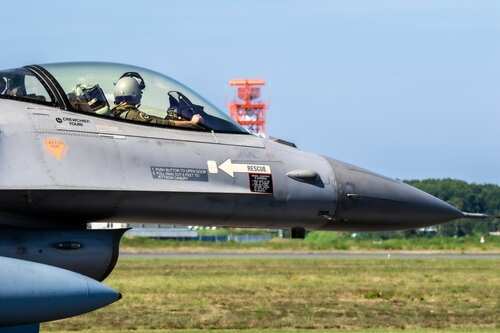
The U.S. Air Force confronts a crippling 1,800-pilot shortage in 2026, hemorrhaging multi-million-dollar trained aviators to airlines dangling $550,000 salaries while Trump’s Pentagon fights to safeguard national security.
Story Snapshot
- Air Force faces 1,800 open pilot positions as airlines hire 7,600 ex-military pilots yearly, draining readiness.
- Commercial salaries hit $450,000–$550,000, doubling Air Force’s $200,000 pay cap and fueling early exits.
- Each fighter pilot costs over $11 million to train, creating billions in lost strategic investment.
- Persistent crisis since 2016 erodes combat capability, with juniors filling senior roles amid high op-tempo.
Pilot Shortage Hits Critical Levels
The U.S. Air Force reports approximately 1,800 open pilot positions as of April 2026. Major airlines like United, Delta, and American hire 7,600 military-trained pilots annually. This exodus strains training pipelines and elevates operational demands on remaining forces. Pilots represent the Pentagon’s most expensive strategic assets, with each fifth-generation fighter pilot costing over $11 million to develop. The deficit threatens combat readiness during Trump’s second term, when a strong military deters globalist adversaries.
Staggering Pay Disparity Drives Exodus
Commercial pilots at major carriers earn $450,000 to $550,000 yearly, surpassing the Air Force’s $200,000 base pay ceiling by more than double. Signing bonuses reach $7,500, and seniority systems reward early transitions with lifetime earnings millions higher. Military pilots instantly meet airlines’ 1,500-hour flight requirement, enabling one-third to switch directly. This financial pull contrasts with Air Force demands that degrade quality of life for service members and their families, who deserve better after years of leftist fiscal mismanagement.
Historical Crisis Undermines Readiness
The shortage originated post-2016, with 1,555 total pilot deficits by fiscal year end, including 1,211 fighters, equating to $12 billion in capital loss. Deficits persisted at 1,800–2,000 for eight years through 2024, reaching 1,850 total positions short. High retirements, pandemic effects, and the 1,500-hour rule bottlenecked civilian training pipelines. Congressional hearings from 2016–2018 exposed over 1,000 deficits, prioritizing short-term readiness over sustained investment. This legacy of neglect now burdens Trump’s administration.
Gen. Charles Q. Brown Jr., Air Force Chief of Staff, acknowledges 100% cockpit manning achieved by slashing non-flying staff to 70% levels. Leadership reviews pilot assignments in desk jobs to preserve flying roles. Yet experience gaps force junior pilots into senior positions, intensifying op-tempo and perpetuating the cycle of departures.
National Security and Economic Ramifications
Short-term effects include pipeline strain and readiness degradation, while long-term risks erode combat capability against threats from China and others. Air Force units suffer shortages; military families face instability despite pilots’ financial gains. Economically, soaring training costs drain taxpayer dollars as airlines poach talent amid their own shortages. Politically, Sen. Tom Cotton (R-AR) demands accountability in Senate hearings. The aviation sector faces a perfect storm, with flight cancellations and stalled growth nationwide.
U.S. Air Force Faces an 1,800-Pilot Deficit as Commercial Airlines Offer $550,000 Salaries. The Pentagon Is Losing Its Most Expensive Strategic Investmenthttps://t.co/kFwIEyka9b
— 19FortyFive (@19_forty_five) April 19, 2026
Trump’s Pentagon must confront pay caps and retention failures inherited from prior administrations. Common sense demands competitive compensation to retain warriors who protect American liberty. Without bold reforms, adversaries exploit this vulnerability, underscoring the need for fiscally responsible policies that prioritize defense over endless spending.
Sources:
Pilot Demand and the Ongoing Pilot Shortage in the United States
Congressional Hearing on Pilot Shortages
Air Force Reviews Staff Jobs for Pilots Amid Shortage