
Passengers and crew stopped a plunging Flydubai jet after a cockpit stabbing, a rescue President Trump called “an incredible story.”
Story Highlights
- President Trump praised passengers who helped stop a cockpit attacker on a Flydubai flight.
- Israeli leaders said a pilot stabbed his co-pilot and tried to crash the plane before passengers intervened.
- The jet made an emergency landing in Saudi Arabia; the airline paused Israel routes during the probe.
- Post-9/11 cockpit security stops outside threats, but insiders remain a rare risk that relies on quick action.
Trump Applauds Quick-Acting Passengers After Cockpit Attack
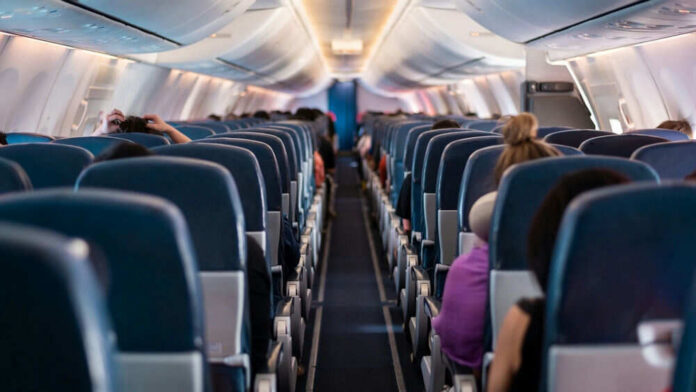
President Trump told reporters the midair struggle on Flydubai Flight FZ 1073 was “an incredible story,” praising passengers who helped stop a cockpit attacker as the aircraft descended fast toward Israel. Israeli officials said one pilot stabbed the other and “apparently attempted to crash the plane,” prompting passengers and crew to rush the cockpit and restrain the attacker. The aircraft diverted and landed safely in Tabuk, Saudi Arabia. Trump’s remarks matched reports that swift action averted disaster.
Officials and witness accounts described a chaotic descent, screams in the cabin, and a surge of passengers to the front as the cockpit door opened. Reports said the injured pilot fought back and enabled help to enter, while others inside and nearby restrained the attacker and stabilized the jet’s flight path. The airline said all flights to and from Israel were temporarily suspended as investigators reviewed what happened on FZ 1073. No airline wants to pause routes, but safety checks come first when a cockpit is breached.
What Happened Onboard and How the Plane Landed
Witnesses said passengers and at least one crew member gained access to the cockpit, overpowered the attacker, and helped control the situation as the jet shed altitude. Passenger accounts recounted grappling with the assailant by the door and dragging him back so others could restrain him. Reporting said standby Flydubai crew or additional pilots on board took the controls and landed at Tabuk Airport, where emergency teams met the plane. That sequence fits how modern crews train for in-flight violence.
Reports emphasized two facts that matter for safety. First, locked cockpits stop most outside threats, a standard put in place after the September 11 attacks. Second, when the threat is inside the flight deck, the only people who can stop it fast are those already onboard: pilots, flight attendants, and nearby passengers. Aviation guidance has long expected that pattern. That is why quick thinking from crew and passengers often makes the difference in tight quarters at 30,000 feet.
Security Lessons: Outside Threats Are Rare; Insider Risks Demand Speed
Airline safety experts say reinforced doors work well against cabin intruders, but they do not remove the insider risk if a pilot turns violent or suffers a breakdown. After 2001, cockpit breaches from the cabin became very rare in the United States, and crews now drill to restrain violent actors with help from passengers when needed. The Flydubai case follows that script: a sudden attack, an urgent call for help, and a fast response by people on scene that allowed a safe diversion and landing.
For Americans who value law, order, and self-reliance, this story shows why readiness matters. People on that flight did not wait for permission. They acted to save families and children. President Trump’s praise tracks with that instinct and with a national security view that trusts trained crews, prepared citizens, and strong borders to keep evil in check. Investigators will now sort charges and motive. The rescue itself is not in doubt: courage and skill won the day.
Sources:
news18.com, israelnationalnews.com, bbc.co.uk, irishtimes.com, nytimes.com, airguide.info, newsday.com, fire.tc.faa.gov