
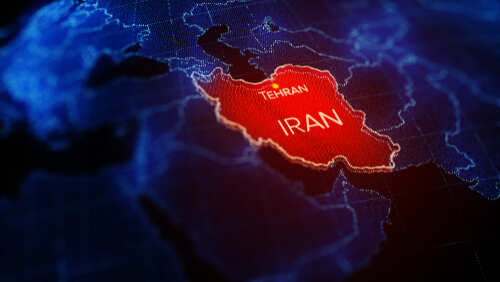
Trump scored a ceasefire with Iran and stopped the shooting — but the hardest fights over nukes, sanctions, and regional power are still ahead.
Story Snapshot
- The U.S. and Iran signed a 14-point memorandum of understanding in June 2026, declaring an immediate and permanent end to fighting on all fronts.
- The deal reopens the Strait of Hormuz toll-free for 60 days and gives Iran sanctions relief on oil sales — a major financial win for Tehran.
- Iran’s nuclear program is not dismantled by the deal — both sides only agreed to keep talking about it over the next 60 days.
- The ceasefire was fragile for weeks before the signing, with both sides accusing each other of violations and continued military strikes.
How the Shooting Stopped
The U.S. and Israel launched strikes on Iran starting February 28, 2026. After more than five weeks of fighting, Pakistan stepped in as the key mediator. On April 8, 2026, Pakistan brokered a two-week ceasefire between Washington and Tehran. Trump announced the truce on Truth Social just before his own deadline, saying he agreed to “suspend the bombing and attack of Iran for a period of two weeks.” [7] Iran’s closure of the Strait of Hormuz — a critical global oil shipping lane — had already triggered an energy crisis.
Trump later extended the ceasefire indefinitely on April 21. But the truce stayed shaky. Both sides kept exchanging strikes and accusing each other of violations throughout May. [19] Mediators from Pakistan and Qatar scrambled to keep talks alive. Secretary of State Marco Rubio said in late May that progress had been made, but that negotiators had “not yet reached that point” of a final deal. [3]
What the Signed Deal Actually Says
On June 18, 2026, the U.S. and Iran officially signed a memorandum of understanding at the Group of Seven (G7) summit in France. The 14-point document declares an “immediate and permanent cessation” of military operations on all fronts. It reopens the Strait of Hormuz toll-free for 60 days. The U.S. lifts its naval blockade within 30 days. Iran gets immediate sanctions waivers to sell oil. [11] Both sides commit to 60 days of follow-on negotiations.
The deal also sets up a $300 billion reconstruction fund for Iran, financed through private investment from multiple countries. [12] Iran confirmed it will not develop or acquire nuclear weapons. However, the fate of Iran’s existing stockpile of enriched uranium — and its broader nuclear program — is left for the follow-on talks. No timeline was set for lifting all sanctions. Critics note that Iran proposed handling the Strait of Hormuz first and the nuclear issue later, which some analysts warn strips the U.S. of its strongest bargaining chip before the toughest concessions are secured. [19]
What Trump Got — and What’s Still Missing
Trump’s military campaign did deliver real results. According to military experts cited in CBS News reporting, U.S. forces destroyed Iran’s ballistic missile systems, wiped out the Iranian navy, and removed Iran’s ability to quickly rebuild and threaten its neighbors. [22] The Strait of Hormuz is reopening, which matters enormously for global energy prices and American consumers who felt the pain of the disruption at the pump.
🚨 BREAKING
The United States and Iran have reportedly signed a peace agreement aimed at ending months of conflict and reopening the strategically important Strait of Hormuz.
Key points:
• A ceasefire framework has been agreed upon.
• The Strait of Hormuz is expected to… pic.twitter.com/fUo7vCkPsP— Sunil Gehlot (@TrendVaultX) June 18, 2026
But the Center for Strategic and International Studies (CSIS) put it plainly: the deal so far is “only a ceasefire.” Iran’s nuclear program, missile arsenal, and support for proxy groups like Hezbollah remain unresolved. [20] Iran even claimed — likely falsely, according to CSIS — that the U.S. accepted its right to keep enriching uranium. Lebanon remains destabilized, with Israeli strikes continuing against Hezbollah after the ceasefire took effect. A senior U.S. official said the final deal must include removal and destruction of Iran’s nuclear materials and a commitment to stop funding terrorist groups. [16] Whether Iran delivers on those demands in the 60-day negotiating window is the real test of whether Trump’s gamble pays off.
Sources:
[3] Web – How Pakistan brokered a US-Iran ceasefire, and what’s next – DW.com
[7] Web – Why Pakistan is Mediating Between the United States and Iran
[11] YouTube – US and Iran reach ceasefire agreement after months of fighting
[12] Web – US releases text of ceasefire deal struck with Iran – ABC News
[16] Web – Full text of US-Iran deal promises sanctions relief and phased …
[19] Web – Three key takeaways from US-Iran agreement – BBC
[20] Web – U.S. and Iran Ceasefire Consistently Fragmented as Strikes Exchange
[22] Web – 2025–2026 Iran–United States negotiations – Wikipedia