

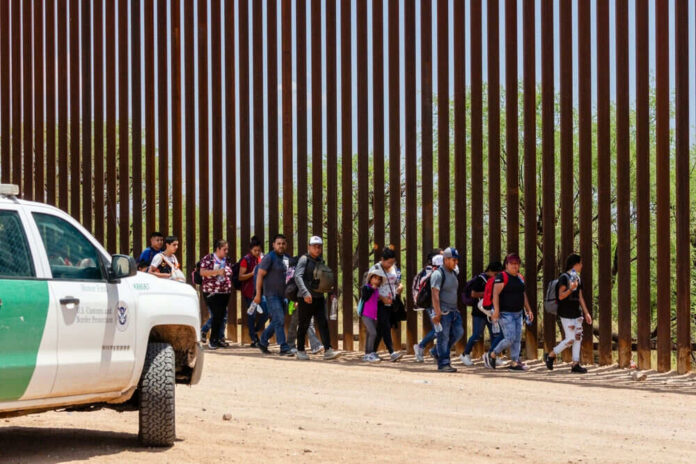
Federal agents expanded interior immigration checks, but the Constitution still sets the guardrails—and the fight over where checkpoints can run is far from settled.
Story Snapshot
- Federal law allows warrantless immigration stops within 100 miles of the border and coasts.[4]
- The administration says aggressive enforcement is driving removals and self-deportations.[6]
- Civil rights groups say interior checkpoints risk racial profiling and unlawful searches.[7]
- Courts allow brief, limited checkpoints, but authority outside 100 miles is tighter.[4]
What the Law Actually Allows in the 100-Mile Zone
Immigration and Nationality Act authority lets federal agents conduct certain warrantless stops and searches within 100 miles of any land border or the coastline. That zone covers many large cities, including Los Angeles, New York, and Chicago. The Supreme Court has upheld permanent checkpoints for brief, limited questions about immigration status. The ruling permits short stops and a visual scan of the vehicle’s exterior, not full-blown searches without cause. Fourth Amendment protections still limit arbitrary actions, even in this zone.[4][7]
Federal policy also allows agents to arrest without a warrant when they reasonably believe an immigration crime occurred and the person may flee. Within the 100-mile zone, agents can run permanent and temporary checkpoints if they meet constitutional standards. They can ask about citizenship and observe the vehicle. They need consent, probable cause, or a warrant to search deeper. These rules aim to secure the border while keeping core rights in place. They do not erase the Constitution.[4]
Limits Outside the 100-Mile Zone and Why It Matters
Outside the 100-mile zone, federal agents lose special checkpoint authority. They cannot set up immigration checkpoints or board buses and trains for immigration checks without proper legal cause. They still can operate in the interior, but they must follow the same rules as other law enforcement. That means reasonable suspicion for a stop and probable cause for an arrest or search. Civil libertarians argue abuses occur even near the border. The law draws a clearer line farther inland.[4][7]
Court precedent sets real limits on checkpoint scope. Stops must be brief. Questions must stay focused on immigration status. Visual inspections are allowed, but searches need consent or solid legal cause. Advocacy groups warn against racial profiling and prolonged detentions. They point to reports from residents near southern checkpoints who describe long delays and dog alerts that do not hold up. These claims push agencies to document actions and prove compliance with the Constitution.[7][11]
Trump-Era Interior Enforcement and Reported Results
Executive actions revived information sharing with local police and broadened priorities to include most unauthorized individuals. The goal was to restore deterrence and end the catch-and-release mindset. The White House says removals rose in 2025 and that many people chose to leave on their own. The administration frames this as a sovereignty win and a cost-saving move for taxpayers. Independent verification of some top-line figures remains limited, and methods have not been fully disclosed.[2][6]
Weigh Stations should be used as interior checkpoints to enforce immigration laws nationwide. What is the Administration waiting on? This can be done now!! pic.twitter.com/XTQ8DVyGQN
— American Truckers United (@atutruckers) June 23, 2026
Supporters argue strong enforcement protects communities, cuts trafficking, and respects legal immigrants. They say clear rules and steady action reduce incentives for illegal entry. Critics argue some programs risk sweeping up long-settled families and chilling free speech. They also warn that funding threats against sanctuary cities were vague in earlier orders, which made lawsuits more likely. Precision in policy language and data transparency can blunt these attacks and keep enforcement on firm ground.[2]
What Patriots Should Watch Next: Transparency and Guardrails
Freedom depends on both strong borders and clear limits on government power. Conservatives should press for public logs of checkpoint locations, stop counts, and outcomes. Requests under public records laws can help. Detailed audits of federal-local partnerships can confirm that officers follow the law. Clear training and body camera use can deter profiling and prove compliance in court. These steps back agents who do it right and expose bad actors who hand ammo to opponents.[4]
Technology also needs oversight. License plate scanning can spot trafficking patterns and cartel scouts. It can also raise privacy concerns if used without rules. Congress and the administration should set tight retention limits, strict access controls, and regular audits. That balance protects families from crime while guarding civil liberties. When enforcement stays inside constitutional lines, it wins trust. When it strays, it fuels the left’s narrative and risks courtroom setbacks that tie agents’ hands.[20]
Bottom Line for Readers
Federal agents have real checkpoint tools near the border and coasts, but not everywhere. The Constitution still rules the road. The administration’s push to restore interior enforcement can work if it is transparent, targeted, and lawful. Demand proof, not spin. Support agents who follow the law and deliver results. Call out excess that invites lawsuits and weakens the cause. Secure borders and protected rights are not rivals. They rise or fall together in the long run.[4][6][7]
Sources:
[2] Web – Know Your Rights: Trump’s Registration Requirement for Immigrants
[4] YouTube – Study finds Trump administration cut legal immigration far …
[6] Web – [PDF] Trump’s Little-Known Immigration Rules as Executive Power Grab
[7] Web – Secure the Border – The White House
[11] Web – Hearing Reveals Ongoing Civil Rights Abuses at Border Patrol …
[20] Web – The Legacy of Racism within the U.S. Border Patrol