

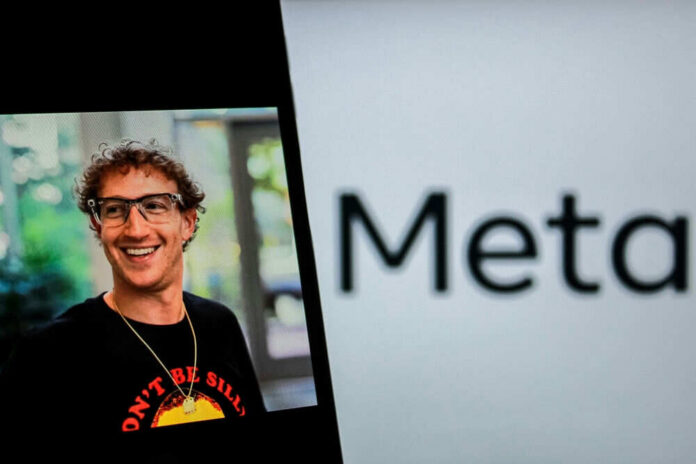
For the first time, a Big Tech CEO is being forced to answer to everyday Americans in a jury box over what social media is doing to kids.
Quick Take
- Mark Zuckerberg testified before a jury in a landmark civil case accusing Meta platforms of harming children.
- The trial is described as the first of more than 1,500 similar lawsuits nationwide to reach a jury, raising the stakes for the entire tech industry.
- Lawmakers previously pressed Zuckerberg over Instagram warnings tied to child sexual abuse material (CSAM), and follow-up questions remained unresolved after his 2024 Senate appearance.
- Zuckerberg acknowledged difficulty enforcing age restrictions on Instagram, a central issue in youth-safety debates.
A jury trial puts Big Tech’s child-safety promises under oath
Mark Zuckerberg took the stand in early 2025 in a civil jury trial focused on allegations that Meta’s products harm children, a milestone because it places a major platform’s design decisions in front of ordinary citizens instead of just regulators or closed-door negotiations. The case is being watched as a bellwether for a wave of similar litigation nationwide. Parents and advocates see the courtroom as a venue where “trust us” corporate assurances finally meet binding accountability.
Available reporting indicates the case centers on claims that product features and platform design choices can contribute to harm to minors, with disputes over how responsibility should be assigned between families, companies, and the law. The public record provided here does not include a verdict or final outcome, so the practical impact remains uncertain. What is clear is that a jury trial changes the leverage: a single decision could influence how other cases settle or proceed.
Congress pressed Zuckerberg on CSAM warnings—and got incomplete answers
Senate scrutiny intensified in January 2024 when Zuckerberg testified before the Senate Judiciary Committee during a hearing addressing online child sexual exploitation and major tech platforms. Senator Ted Cruz questioned him about Instagram’s CSAM-related warning screen—how often it appeared and how many users clicked through anyway. Zuckerberg said he did not know and committed to look into it. In February 2024, the committee followed up in writing, pressing for the specific figures he had deferred.
That exchange matters because it goes to the heart of a long-running concern: platforms can advertise safety features while failing to provide transparent metrics that would show whether those tools work in real-world use. When Congress cannot get basic usage data about warning screens tied to child exploitation risks, it fuels skepticism that internal compliance claims are more public-relations talking points than measurable outcomes. For conservatives, it also reinforces a core question: who is actually in control—elected oversight or unaccountable corporate power?
Meta admits age enforcement is hard, even as growth goals drove engagement
In courtroom testimony described in the research, Zuckerberg acknowledged Meta has difficulty enforcing age restrictions on Instagram. That concession lands at a time when families and policymakers have demanded stronger age verification and tighter controls to limit children’s exposure to harmful content and predatory behavior. The research also cites testimony about an older internal goal aimed at increasing time spent on apps by 12% over three years, with Zuckerberg saying the company changed course. The provided materials do not detail what replaced that goal.
From a limited-government perspective, the key issue is not whether Washington should micromanage speech online; it is whether consumer-facing products marketed to families are designed with basic duty-of-care safeguards. If plaintiffs convince jurors that engagement-maximizing design predictably put minors at risk, liability pressure could force changes faster than years of stalled legislation. If Meta persuades jurors that it acted reasonably and invested heavily, the broader legal push may slow. The evidence and jury instructions will decide which argument prevails.
What a single verdict could change for families, speech, and accountability
The trial’s significance extends beyond Meta because the research describes it as the first jury-tested case in a docket of more than 1,500 similar lawsuits. A plaintiff win could encourage more trials or larger settlements, while a defense win could weaken momentum. Either way, the litigation spotlights a policy vacuum that lawmakers themselves have acknowledged: years of hearings and press statements without a comprehensive privacy or child-safety framework that parents can rely on across platforms.
Parents hope the 'tide will turn' against Big Tech as Mark Zuckerberg takes the stand https://t.co/NB0QdxavwD
— BargainBest777 (@nataliecorri) February 19, 2026
Meta and supporters highlight safety staffing and investments, plus reporting to the National Center for Missing & Exploited Children leading to arrests, but the research provided here does not independently break down methodology or effectiveness. Conservatives who value family stability and personal responsibility should watch for one concrete outcome: whether this case produces enforceable standards and transparent metrics, instead of more promises. The constitutional balance also matters—child protection must be pursued without handing government a blank check to control lawful speech.
Sources:
U.S. Senate Judiciary Committee Official Document
Mark Zuckerberg set to stand in landmark trial on social media harms
Congressional Record (115th Congress) Senate Event Text
House Committee on Oversight and Accountability Letter re: Meta AI