
Adam Schiff blasted the D.C. IndyCar race as a taxpayer boondoggle, but an IndyCar driver and multiple outlets say private money paid for the race itself.
Story Highlights
- Graham Rahal says Penske privately funded the race production, not taxpayers.
- Local reporting says public funds covered police, fire, and security, not the race build-out.
- CNN reports the city used a federal security fund while IndyCar covered race costs.
- Officials stressed no taxpayer money was at stake in the race itself, per Politico.
What Schiff Claimed Versus What the Record Shows
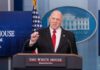
Representative Adam Schiff criticized the Washington, D.C. IndyCar event as more waste of taxpayer money tied to President Trump’s celebration plans. IndyCar driver Graham Rahal pushed back, saying the race production was privately funded and that the event drew visitors who spent money in the region. Multiple reports back up Rahal’s central point: Penske’s group paid the race’s core costs, while government spending focused on public safety, which cities often cover for large events.
CNN reported that IndyCar paid the more-than $35 million price tag for the race setup and operations, while the District tapped a federal emergency planning and security fund for police and related needs. Politico likewise said organizers and officials stressed no taxpayer funds covered the race itself, though the city likely used congressionally appropriated money for police presence and other municipal services. That split matches the standard practice for major gatherings that require street closures, traffic control, and protection for large crowds.
Follow the Dollars: Private Race, Public Safety
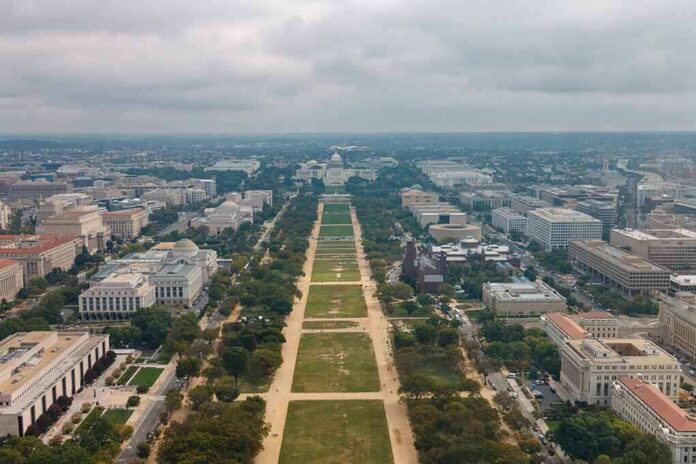
NBC Washington reported that Penske covered the vast majority of the bill and received no money from the anniversary commission for production. The outlet said taxpayers helped cover police, fire, and security for an event expected to draw very large crowds, with that money coming from a fund Congress sets aside for big events in the capital. This is important: the dollars at issue did not build a racetrack or pay teams; they paid law enforcement and emergency services, just as they do for marches, parades, and state ceremonies.
The Athletic’s reporting aligns with that structure. It said Penske financed the race independent of Freedom 250 funds, while the District’s extra needs for police, security, and some construction support came from the federal pot reserved for such pressures on the city. In other words, private backers shouldered the commercial risk of staging the race, while government covered the same type of safety work it always performs when the nation’s capital hosts outsized crowds and high-profile dignitaries.
Why This Matters to Taxpayers and Transparency
Conservatives expect clarity on who pays for what. The strongest reporting indicates a clear split: private money for the race; public money for public safety. That undercuts the claim that taxpayers funded the spectacle itself. It also shows why precision matters in these debates. When critics blur the lines, they turn routine security support into a talking point against events that bring people together and showcase American engineering, competition, and pride.
Research on sports subsidies warns that public dollars often fail to deliver big economic gains. That is why the private funding of the race core is notable. It put the business risk on the organizers, not on families already stretched by high costs. Government then did its basic job: protect people, manage traffic, and keep order. Readers can back a simple rule here: keep production private, keep safety public, and demand straight talk from anyone who suggests otherwise.
Sources:
redstate.com, politico.com, x.com, thecentersquare.com, nytimes.com