
Gavin Newsom’s memoir didn’t just “break out” on the best-seller lists—federal filings show his own political operation spent more than $1.5 million to move tens of thousands of copies.
Quick Take
- Newsom’s PAC reported spending $1,561,875 to purchase about 67,000 copies of his memoir through a bulk seller.
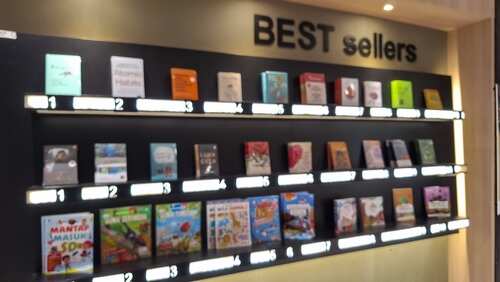
- The book reached #4 on The New York Times Best Sellers list with a dagger symbol indicating bulk or strategic sales.
- Reports estimate the PAC purchases accounted for roughly two-thirds or more of total print sales tied to the book’s early run.
- Newsom’s team has said the PAC bought the books “at cost” and that Newsom received no royalties from those purchases.
FEC filings reveal the money trail behind the “bestseller” bump
Federal campaign finance filings disclosed that California Gov. Gavin Newsom’s political action committee, Campaign for Democracy, spent $1,561,875 on bulk orders of his memoir, Young Man in a Hurry: A Memoir of Discovery. The purchases were routed through Porchlight Book Company, a firm known for handling large-scale book distribution. Multiple reports put the total around 67,000 copies—an unusually large figure that immediately raised questions about how “bestseller” status is earned and marketed.
Newsom promoted the book for months with a donation-based offer: supporters could receive a copy for giving at essentially any level, including small-dollar donations. That structure matters because it connects book distribution directly to fundraising—a legally common tactic in modern politics, but one that blurs the line between grassroots enthusiasm and a paid-for brand-building campaign. The immediate takeaway for voters is simple: donor dollars can be used to manufacture national buzz.
How bulk buying intersects with bestseller lists and media gatekeeping
The New York Times best-seller list later placed Newsom’s memoir at #4, marking it with the dagger symbol used to flag bulk purchases or other strategic sales patterns. That dagger is supposed to inform readers that sales may include large orders or organized buying. The controversy, spelled out by conservative outlets, is less about whether a dagger appeared and more about whether the Times applies tougher penalties—up to disqualification—when conservatives use similar tactics.
On the timeline, the details are striking. Newsom’s team publicly touted strong sales in early March, and the book initially did not appear on the Times’ nonfiction list for the week following its March 8 release window. The next week, it debuted high on the list with the bulk-sales marker. Critics argue the episode underscores how political celebrity can be engineered through friendly publicity channels, even when the method is openly transactional.
Newsom’s “at cost, no royalties” defense—and what it does and doesn’t answer
Newsom’s camp has pointed to a key distinction: the PAC allegedly purchased copies “at cost,” and Newsom reportedly received no royalties on those orders. If accurate, that reduces the claim of direct personal enrichment. It still leaves an obvious political benefit, because best-seller credentials can be used to book TV hits, speaking opportunities, donor outreach, and future campaign branding—especially as Newsom’s national profile continues to grow amid speculation about higher office.
Reports also differ slightly on totals, which is common when early sales are estimated across print channels. One set of reporting cited about 91,000 total print sales alongside the bulk purchase figure; another cited totals closer to 97,400. Either way, the math places the PAC’s 67,000-copy order at roughly 67% to 73.6% of the reported print sales in the period at issue. That proportion is the core reason the story is resonating.
What this says about political fundraising, transparency, and voter trust
Politicians in both parties have used committees and allied groups to buy books in bulk, then use the books as donor perks to build lists and bolster credentials. The practice may be legal under federal rules when structured properly, but legality is not the same thing as public trust. For conservatives who have watched corporate media police one side more aggressively than the other, the underlying frustration is about double standards and narrative control, not publishing trivia.
BUSTED: Gavin Newsom’s New Book is a Best Seller Because His Own Political Action Committee Spent $1.5 Million Buying Thousands of Copies
READ: https://t.co/umXqvJHfrk pic.twitter.com/SMItP6Avp8
— The Gateway Pundit (@gatewaypundit) April 18, 2026
The Trump administration’s second term has kept a national spotlight on institutional credibility—whether it’s courts, campuses, legacy media, or the nonprofit-political complex. The Newsom book episode fits that broader pattern: a system that can be gamed, transparently marked, and still marketed as organic prestige. If watchdogs want to rebuild confidence, voters will expect consistent rules across ideologies and clearer disclosure when political money is used to manufacture cultural “wins.”
Sources:
Newsom PAC bought thousands of memoir copies about his hardships, juicing sales
Newsom Boosts His Book Sales by Buying 67,000 Copies of His Own Memoir
Embarrassing Tactic Gavin Newsom Used