
The “CIA is about to arrest Tucker” headline may be the kind of panic-bait conservatives have learned to distrust—because the available reporting doesn’t back it up.
Quick Take
- No credible source in the provided research confirms Tucker Carlson said the CIA is preparing to arrest him.
- Carlson’s documented claims center on alleged intelligence-community threats, surveillance, and political pushback—not an arrest plot.
- A viral 2025 campus confrontation reignited debate over conspiracy claims, defamation lines, and how public figures respond under pressure.
- Separate from the “arrest” rumor, Carlson’s 2026 Iran commentary amplified concerns about war messaging and public fear narratives.
No Evidence Supports the “CIA Preparing to Arrest Me” Claim
Reporting compiled in the research file finds no direct match for the claim that Tucker Carlson said—or implied—the CIA is preparing to arrest him. Instead, the closest parallels involve Carlson’s longstanding criticism of the intelligence community, including claims that agency leaders threatened him and that federal surveillance practices exploit loopholes. For readers trying to separate real abuse from internet rumor, this is the key point: the arrest storyline isn’t substantiated by the cited material.
The distinction matters because conservatives have real, historical reasons to be wary of unelected power—especially when it collides with speech and politics. But the Constitution-first approach requires discipline: if a claim is serious, it needs solid sourcing. Based on the material provided, the “CIA arrest” framing looks like an exaggerated riff on Carlson’s broader conflict with intelligence agencies rather than a verified event.
The Indiana University Clash Shows How Fast Narratives Escalate
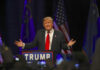
A concrete flashpoint came on Oct. 21, 2025, when Carlson confronted an Indiana University student during an “American Comeback Tour” stop. The student accused Carlson’s late father, Richard Carlson, of being a CIA agent. Carlson rejected the allegation and responded with a threat that immediately became a viral clip and legal talking point. The sourced reporting describes the accusation against his father as unsubstantiated, while spotlighting how heated rhetoric can blur into personal intimidation.
That episode illustrates a problem conservatives see constantly: public debate gets flooded with insinuations presented as facts, then escalates into spectacle. The reporting indicates Richard Carlson’s background was rooted in journalism and Cold War-era diplomacy, including public service roles—facts that can be verified—while claims of secret agency status remain unsupported. When the baseline facts are thin, the temptation is to fill gaps with “deep state” fan-fiction, which ultimately weakens credible oversight arguments.
Surveillance Allegations Keep the Civil Liberties Question Alive
The research also points to commentary alleging intelligence-community overreach, including claims about domestic spying and workarounds that sidestep constitutional protections. Those concerns resonate with many on the right because they connect to a basic limited-government principle: agencies created for foreign threats shouldn’t treat Americans like targets. The material references historical precedents and past abuses as context for why conservatives demand transparency, lawful warrants, and strict limits on secretive power.
At the same time, the record here is uneven. The sources summarize allegations and commentary, but they do not provide a documented “arrest plan,” a named official issuing such a threat, or a verifiable legal action. A responsible takeaway is twofold: keep pressure on government secrecy that can erode liberties, and refuse to let unverified claims substitute for evidence—especially when media ecosystems profit from viral outrage.
2026 Iran Commentary Raises a Separate Set of Concerns
In March 2026, Carlson drew attention for predicting a “9/11-style” event could be used to justify a ground invasion of Iran, tying his argument to reported briefings and the wider debate over troop commitments. That claim is presented in the cited coverage as Carlson’s warning about how pro-war messaging can rely on fear and crisis narratives. Whether readers agree or not, it reflects his continuing focus: skepticism of interventionist policy and distrust of Washington consensus-building.
For a conservative audience that watched years of foreign policy misadventures while the border collapsed and inflation hammered families, the underlying frustration is easy to understand. But the lesson from this entire episode remains consistent: differentiate verified reporting from headline-driven speculation. If the goal is real accountability—especially with agencies that operate in the shadows—then precision beats sensationalism every time.
Sources:
Tucker Carlson Threatens Student Over CIA Conspiracy — Where’s the Legal Line?
Tucker Carlson predicted a “9/11-style” terrorist attack for a ground invasion of Iran
Hot mic catches Dan Crenshaw’s threat to “f***ing kill” Tucker Carlson
Terrorist Threat Assessment for the Netherlands – June 2025