
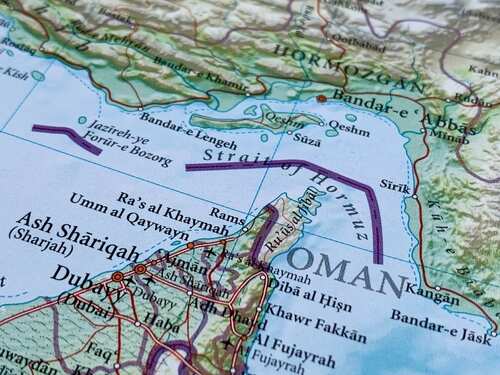
U.S. forces carried out defensive strikes near the Strait of Hormuz, hitting targets tied to Iran’s military on Qeshm Island, according to multiple reports.
Story Highlights
- U.S. officials said the military struck Iranian targets near the Strait of Hormuz on November 2.
- Reports linked the action to threats against U.S. aircraft and commercial ships.
- Iranian outlets reported explosions on Qeshm Island the same night.
- Qeshm hosts suspected missile and naval sites that threaten vital shipping lanes.
U.S. Conducts Defensive Strikes Near Hormuz, Targets on Qeshm
Multiple U.S. officials said American forces launched limited defensive strikes near the Strait of Hormuz on November 2. Reporting identified targets on or near Qeshm Island. One senior official told CBS News that Iran’s Islamic Revolutionary Guard Corps fired at a U.S. aircraft before the strike, framing the action as defense against a direct threat. Separate reporting described the intent as stopping Iran from targeting commercial ships that pass through the narrow, high-traffic waterway.
Iranian state-linked outlets reported several explosions on Qeshm Island around the same timeframe. Those reports confirm blasts happened, but they did not assign blame in their initial accounts. Other outlets echoed that explosions were heard or seen, adding further confirmation that something significant occurred on the ground that night. The timing aligned with U.S. media reports that American forces took action shortly before U.S. Election Day.
Why Qeshm Matters: Missiles, Boats, and a Global Chokepoint
Reports have long tied Qeshm Island to Iranian military sites, including an underground missile complex, naval facilities, and systems that can threaten ships. Those systems may include anti-ship missiles, sea mines, fast attack boats, and drones. The Strait of Hormuz remains one of the most important sea lanes on earth. A large share of the world’s oil and gas moves through this tight channel. Disruption there can drive up energy costs and shake markets that American families rely on.
Congressional research shows that tensions around Hormuz often lead to rapid action at sea. Past crises saw the United States protect shipping and answer attacks to keep traffic moving. When mines or missiles appear, energy flows and insurance rates take a hit. That risk spreads pain to drivers, truckers, and small businesses at home. The pattern since early 2026 has followed that script, with Iran testing the lanes and the United States acting to deter threats.
Official Framing and What Is Public So Far
Officials quoted by major outlets called the strikes defensive. Some described a direct response to fire at a U.S. aircraft. Others pointed to the need to stop attacks on commercial vessels in one of the busiest shipping lanes in the world. The Wall Street Journal reported the operation was not publicized through a formal release at the time, and U.S. Central Command did not immediately comment when asked by reporters.
Media accounts did not detail exact targets, weapons used, or damage assessments. Reports focused on Qeshm Island, the timing, and the stated goal of preventing further Iranian attacks at sea. France 24 and other outlets linked the action to the same window and location, reinforcing the core picture of a limited, defensive U.S. operation against Iranian-linked sites near the chokepoint.
Strategic Stakes for U.S. Security and Energy Prices
The Trump administration has said it will keep American forces safe and keep sea lanes open. Stopping missiles, mines, and attack boats before they launch protects U.S. aircraft and crews and shields global trade. When Iran targets ships, energy prices climb and family budgets get squeezed. Clear, limited defensive action aims to prevent that squeeze on American workers, farmers, and retirees who already face high costs from past policy mistakes.
U.S. Strikes Iran's Qeshm Island After Surface to Air Missiles Fired at American Assets: Qeshm Island explosions: the U.S. struck Iranian targets on November 2 over surface to air missile fire… silentdossier.com/articles/qeshm-island-explosions-us-strike-iran-strait-of-hormuz pic.twitter.com/qavlnr927f
— Silent Dossier (@Silent_Dossier) November 3, 2026
Analysts track Hormuz because trouble there rarely stays local. If tankers cannot move, refineries slow down and costs rise. That stress reaches every household through fuel, food, and shipping fees. By striking threats tied to Iran’s military on Qeshm, the United States sought to lower the risk to crews and cargo. That choice aligns with decades of U.S. policy in the Gulf: protect the lane, deter attacks, and keep commerce moving for America and our allies.
Sources:
cbsnews.com, wsj.com, cbs8.com, cnbc.com