

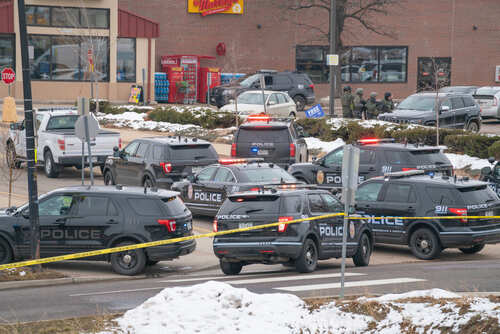
Two North Carolina murder suspects were found dead in their car after a high-speed police pursuit ended in southern Ohio, closing a multistate manhunt tied to a Gaston County quadruple shooting.
Story Snapshot
- Authorities say Camryn Moore, 26, and Cory Armstrong, 29, died after a police chase in Ohio.
- The pair were wanted in a Gaston County, North Carolina shooting that left multiple victims.
- Ohio State Highway Patrol opened an investigation after both suspects were found with gunshot wounds.
- The case highlights rising risks linked to police pursuits across state lines.
What Police Say Happened in Ohio
Ohio authorities said a pursuit crossed multiple counties in southern Ohio on Friday morning. After the vehicle stopped, troopers found Camryn Moore, 26, and Cory Armstrong, 29, dead inside the car. The Ohio State Highway Patrol reported gunshot wounds and opened an investigation into the deaths. North Carolina outlets confirmed the chase and identifications, linking the pair to an active homicide case in Gaston County, North Carolina. Officials have not released a full timeline of the stop and the moments before the deaths.
North Carolina media reported the suspects were tied to a deadly quadruple shooting in Gaston County. Local police in North Carolina had named Moore and Armstrong in warrants for first-degree murder and attempted first-degree murder, prompting a regional search that reached into Ohio. Dayton-area coverage added that Ohio officers joined the chase after spotting the vehicle, which set up a rapid, coordinated response across jurisdictions. Authorities have not announced any officers injured during the pursuit.
Why the Case Drew a Multistate Response
Gaston County detectives had asked for help locating the suspects after the Thursday shooting left several victims. The seriousness of the charges and the risk to the public led to alerts beyond North Carolina. When the vehicle surfaced in southern Ohio, highway patrol units pursued. After the vehicle came to a stop, both suspects were found dead, ending the immediate threat but starting a new inquiry into how the stop unfolded and how the gunfire occurred.
Officials in Ohio say their investigation will review patrol actions, communications, and the scene evidence. That review aims to confirm when shots were fired and by whom. This type of post-incident review is standard when a pursuit ends in death. It helps settle key facts, including whether any tactical choices could have changed the outcome. Agencies typically collect dash camera video, radio logs, and forensic results before releasing firm conclusions.
How This Fits a Larger Pattern of Risk
Recent national research shows police pursuits are a small share of all traffic events but carry high risks. A study published in 2026 estimated 6,352 deaths from pursuit-related crashes between 2009 and 2023 and found pursuits account for about one percent of motor-vehicle fatalities. A Bureau of Justice Statistics report found an average of about one pursuit death per day over two decades, underscoring the steady toll even when policies try to limit chases to serious crimes.
Other work found pursuit fatalities rose in recent years, even after adjusting for population and crash frequency, signaling a growing public safety burden. These findings push leaders to weigh danger to the public against the need to stop violent suspects. Many departments now restrict pursuits to cases with violent felonies or clear threats to life. The Gaston County case fits that category, which explains the strong and fast cross-state response.
What Communities Want to Know Next
Families in North Carolina want to know how a home turned into a crime scene and why loved ones were targeted. People in Ohio want clear answers about the end of the chase and the gunfire. Investigators will likely release autopsy results, ballistics, and a more exact timeline once evidence is processed. That record should explain how the two suspects died and whether any changes to pursuit or stop tactics are needed.
Two suspects in a Gaston County, NC quadruple shooting are dead after an #Ohio police chase.
Camryn Moore, 26, and Cory Armstrong, 29, crashed near Athens while fleeing troopers.
Officers heard two gunshots after the wreck. A drone found both dead in the vehicle. pic.twitter.com/DzHnTHibXz
— The North Carolina Beat (@TheNCBeat) September 11, 2026
This case strikes a nerve across the political map. People on the right and left both fear violent crime and also fear dangerous chases that put bystanders at risk. They want police to stop killers fast but also want rules that protect the public. When government gets these trade-offs wrong, trust drops. Clear facts, body and dash camera releases when available, and firm policy reviews can help rebuild confidence that leaders are acting for public safety, not to protect a system from scrutiny.
Sources:
nypost.com, wbtv.com, dayton247now.com, abc6onyourside.com, nbc24.com, ohioattorneygeneral.gov