
California’s governor used an emergency law to force a Fresno County tax onto the November ballot, igniting a local-control showdown that now has no steady judge to hear it.
Story Highlights
- Gov. Gavin Newsom signed an urgency law directing Fresno’s transportation tax onto the Nov. 3 ballot.
- Fresno County supervisors voted 3-2 to push the vote to March 2028, triggering a lawsuit.
- The county registrar says he will follow the state law and prepare the measure for November.
- Judicial recusals have left the case without a stable assignment as deadlines loom.
State Urgency Law Collides With County’s 2028 Plan
Gov. Gavin Newsom signed Assembly Bill 1923 on Aug. 6, which directs election officials to place the citizen-led transportation tax on the Nov. 3, 2026 ballot. Fresno County supervisors voted 3-2 the next day to delay the decision to March 2028, setting up an immediate legal clash over who controls the election calendar. The law’s “urgency” label means it took effect at once, but the county says Sacramento overrode local authority and moved too fast without due process.
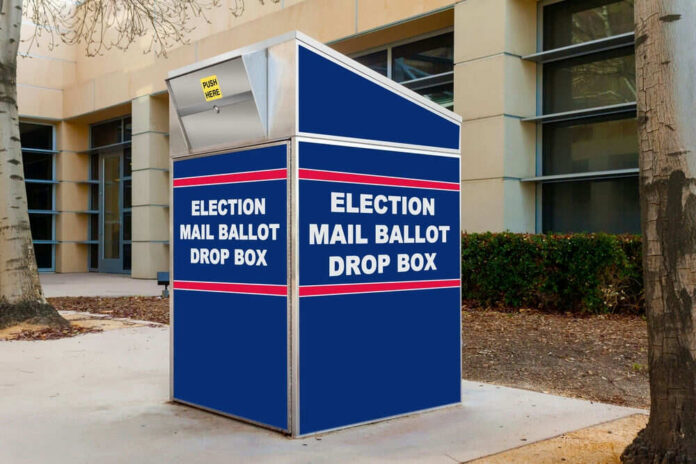
Fresno County Clerk and Registrar of Voters James Kus said he intends to follow the new law and prepare the measure for November, citing his duty to comply with state election rules. That stance puts the county’s own election office at odds with the board’s 2028 vote. Meanwhile, the registrar faces tight timelines to finalize ballot materials, which include placement and printing windows that support the state’s timing push for November.
Deadlines, Printing, and the Election Clock
Reporting places the placement cutoff near Aug. 7 and the ballot printing start near early September, when counties must send ballots to military and overseas voters. These hard dates explain why the state moved quickly to lock in November. Every week of delay increases the risk that printers, proofreaders, and translators cannot finish on time. If the case drags, the schedule itself could decide the outcome, regardless of which side wins on the law.
The county argues it ordered a 30-day financial study that made the November date impossible, so the measure should wait until 2028. Supporters of the urgency law counter that the initiative already qualified and must go to voters this fall. This is a classic California fight over preemption and process: when a state rule directs action, local bodies have limited room to stall, especially when the calendar affects voter rights and uniform election administration.
Courthouse Turmoil and the Judge Problem
The lawsuit hit turbulence when judges stepped off the case after state intervention, leaving the matter without a steady assignment. That shuffle slowed hearings on the core question: does the urgency law control, or can the county’s 2028 plan stand? Without a firm judge before ballot deadlines, the registrar’s default to state law may set the practical course, even if courts review the merits later.
Judge in Fresno transportation tax measure case forced out by California AG. Now what? https://t.co/n893rjFzkR
— Fresno Bee (@FresnoBee) August 21, 2026
This instability fuels public distrust. Voters want a clear, neutral ruling, not musical chairs on the bench. The longer the bench remains unsettled, the more it looks like process games instead of open justice. Conservatives across the Valley know this script: when courts wobble and deadlines bite, bureaucrats win by running out the clock. That outcome erodes faith in local self-government and invites more top-down decrees from Sacramento.
Local Control vs. Sacramento Power
Supervisors say this is about who decides Fresno County’s future, not just roads and buses. The board’s 3-2 vote signaled resistance to a rushed process and concern over long-term tax burdens. County leaders describe the urgency law as a one-off fix that targets Fresno and sidelines elected supervisors. Those claims tap a deeper fear: state leaders can change rules late, override local timelines, and dare counties to sue with days to spare before printing.
Supporters of November placement point to the measure’s certification and the registrar’s duty to follow state law. Opponents warn that treating “urgency” as a shortcut guts checks and balances. Both truths can exist: election systems need firm deadlines, and voters deserve orderly ballots. But when the state pushes a tax vote with the clock as leverage, it looks like government using process to win policy. That feels like overreach in a county that values consent of the governed.
What Matters Next for Voters
Two things now matter most. First, judge assignment must stabilize so the court can rule before printers lock files. Second, election officials must tell voters what is actually coming on their ballots. Confusion helps no one. If the measure appears in November and later gets tossed, trust suffers. If it is delayed to 2028 without clear legal grounds, trust suffers too. Voters deserve a prompt ruling and straight talk from both county and state.
Here is the bottom line. The state says the law is set, deadlines are here, and ballots must move. The county says Sacramento cannot bulldoze local authority at the last minute. Without a quick, clean ruling, the process decides the policy. That is not how self-government should work. Clear law, honest timelines, and real local control are the only way to restore faith in the vote in Fresno County and beyond.
Sources:
yahoo.com, fresnobee.com, hoodline.com, thebusinessjournal.com