
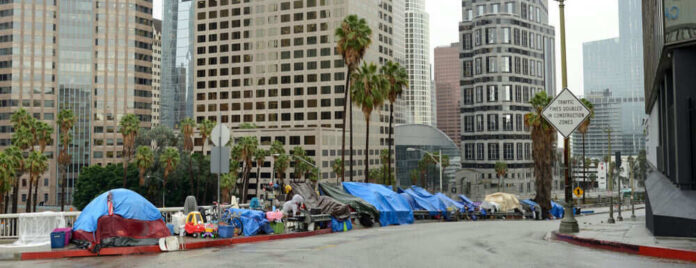
Los Angeles just scrapped 12 anti-camping zones in Hollywood, Echo Park, and Silver Lake, reopening high-traffic public spaces to street encampments after a 10-3 council vote.
Story Highlights
- The City Council revoked 12 anti-camping enforcement zones by a 10-3 vote.
- Public spaces near parks, schools, and freeway ramps are now open to camping again.
- Opponents warn of renewed safety and quality-of-life risks in these areas.
- Supporters say past enforcement failed to keep areas clear or house people.
What The Council Changed And Where It Hits First
Los Angeles City Council voted on August 18, 2026, to remove 12 site-specific anti-camping zones in Council District 13, which includes Hollywood, Echo Park, and Silver Lake. The action lifts rules that had barred sitting, sleeping, or camping in these exact public spaces and corridors. The named spots include Barnsdall Art Park, Hollywood Recreation Center, several Silver Lake intersections, and areas by major freeways, such as the 101 at Bronson and the Sunset and Glendale junctions.
These sites are busy and visible. Families use the parks. Drivers and pedestrians pack the intersections. Freeway-adjacent locations see heavy foot traffic and car flow. The change restores access for encampments right where risks and conflicts have been most intense in past debates. The vote does not rewrite citywide law; it removes a targeted tool the city had relied on in these neighborhoods. Residents now wait to see how conditions shift block by block.
Why Backers Repealed The Zones Despite Local Fears
Councilmember Hugo Soto-Martínez, who represents the area, argued the zones did not solve homelessness and often pushed people around without results. He said displacement made outreach harder, since people lost belongings, got tickets, or were arrested, and then returned to the same sidewalks later. He cited a city analysis that found people present before enforcement returned to 81 percent of encampments flagged for removal, and that almost all encampments later came back.
Supporters also point to reporting that enforcement under the law known as 41.18 has produced limited housing placements at high cost, even as some police data show safety gains in spots while rules were active. Their case rests on efficiency: if zones fail to keep spaces clear or move people into stable shelter, then they are a poor use of money and staff. That argument drove the repeal coalition and shaped the 10-3 outcome.
Why Opponents See Rising Risk For Families And Small Businesses
Opponents, including neighborhood voices and local media commentators, warn the rollback will fuel safety, fire, and sanitation problems in the specific corridors removed from enforcement. They argue parks, sidewalks near schools, and freeway embankments are the worst places to loosen rules. They worry about blocked access for seniors and kids, open flames near dry brush, late-night noise, and drug activity returning to high-visibility corners. They also stress that visible decline can drain foot traffic and hurt small shops.
These concerns rest on common sense and recent city history, not fresh incident data from the past few days. The reports confirm the legal change but do not yet show measured increases in fires, assaults, or sanitation calls at the 12 sites since the vote. The forward risk is real to residents who lived through prior encampments. Still, citywide agencies have not released site-by-site updates that tie new harms directly to this repeal. That data gap limits firm conclusions today.
What Changes Now For Public Order And Civic Priorities
The council removed a defined enforcement option in 12 places while leaving broader tools intact. After the Supreme Court’s 2024 ruling in City of Grants Pass v. Johnson, cities can enforce camping limits more easily, but Los Angeles is choosing a narrower path in these neighborhoods. That creates a test. If street conditions worsen, pressure will build to restore targeted limits. If outcomes hold steady, repeal backers will claim proof that heavy enforcement is wasteful and unneeded.
For families, churches, and small businesses, predictability matters. Clear sidewalks, safe park paths, and clean gateways near freeways are basic public goods, not luxuries. City Hall owes residents transparent metrics for these 12 corridors: police calls, fire responses, sanitation tonnage, and park access. Publishing monthly scorecards would let everyone judge results, not slogans. That accountability is the minimum standard when leaders roll back tools meant to protect shared spaces.
What To Watch In The Weeks Ahead
Watch the exact locations that lost protection: Barnsdall Art Park, Hollywood Recreation Center, key Silver Lake corners, and freeway-adjacent blocks named in the repeal. Track whether tents return, whether fires or medical calls rise, and whether sidewalks remain passable at rush hour. Follow how outreach teams perform without the zones and whether placements into shelter or treatment increase or stall. Demand the city post the underlying analysis that guided the decision, not just summaries.
President Trump’s administration continues to press for order on American streets and accountability for local choices. Cities that weaken public-space rules must show they can keep people safe and help the unhoused move into real shelter, not back onto busy sidewalks. Los Angeles now owns this field test. Families and shopkeepers deserve honest numbers and quick course corrections if safety slips. Public space belongs to the public. Leaders should act like it.
Sources:
nypost.com, x.com, laist.com, abc7.com, instagram.com, reddit.com